

In the ever-shifting sands of Ethereum's ecosystem, where ETH trades at $2,288.12 after a 24-hour dip of -5.83%, Lido's stETH stands out as the gold standard for lido steth staking. This liquid staking token doesn't just let you earn yields while keeping your capital fluid; it opens doors to DeFi composability that traditional staking could only dream of. As we hit 2026, with Lido commanding over 24% of all staked ETH and a TVL hovering between $26.24 billion and $29.7 billion, it's clear why savvy investors turn here for sustainable eth liquid staking yields 2026.
Lido's 2026 Upgrades: Building Trust in Liquid ETH Staking
Lido has come a long way from its early days as a simple staking wrapper. The 2026 V3 upgrade flips the script, evolving it into a DeFi powerhouse with tools like the Community Staking Module (CSM) powered by Distributed Validator Technology (DVT). This isn't fluff; DVT spreads risk across nodes, slashing the chance of single-point failures that plague centralized setups. Add dual governance, where stETH holders wield veto power, and you've got a protocol that's as democratic as it is robust.
The U. S. SEC's 2025 nod, clarifying stETH isn't a security, lit the fuse for institutional cash. Think Lido stVaults tailored for big players, blending security with yield. I see this as Lido cementing its role as Ethereum's trust layer, especially when ETH's price volatility tests even the steeliest hands.
stETH's DeFi Composability: Yields Without the Lockup
Here's where steth defi composability shines. Stake your ETH via Lido, get stETH in return - a token mirroring ETH's value plus staking rewards at around 3-4% APY. But unlike solo staking's 32 ETH minimum and illiquidity, stETH trades on DEXes, fuels lending on Aave, or juices Curve pools. Stack yields by pairing it with restaking protocols or yield farms, all without touching your principal.
Picture this: Your stETH earns base staking rewards, then you lend it for extra APY, or provide liquidity for fees. In 2026's mature DeFi, this capital efficiency turns passive holders into yield machines. Lido's dominance? It's backed by node operators vetted for uptime, making liquid eth staking guide steps feel less like a gamble and more like a strategy.
Lido stETH (stETH) Price Prediction 2027-2032
Projections based on current ETH price of ~$2,300 (2026 baseline), Lido's market dominance, V3 upgrades, regulatory clarity, and crypto market cycles. Prices in USD, reflecting stETH's close peg to ETH with yield premiums.
| Year | Minimum Price | Average Price | Maximum Price | Avg YoY % Change |
|---|---|---|---|---|
| 2027 | $2,100 | $3,400 | $5,300 | +48% |
| 2028 | $3,400 | $6,500 | $11,000 | +91% |
| 2029 | $4,900 | $8,200 | $13,500 | +26% |
| 2030 | $6,200 | $10,000 | $16,000 | +22% |
| 2031 | $7,800 | $12,500 | $20,000 | +25% |
| 2032 | $9,500 | $15,500 | $24,000 | +24% |
Price Prediction Summary
stETH prices are forecasted to grow significantly from 2026 levels, driven by Ethereum's ecosystem expansion and Lido's leadership in liquid staking. Average prices rise from $3,400 in 2027 to $15,500 by 2032, with min/max capturing bearish corrections and bullish surges. Yields of 3.5-4.5% APY provide additional returns atop price appreciation.
Key Factors Affecting Lido stETH Price
- Ethereum scalability upgrades and Dencun effects boosting DeFi activity
- Lido V3 upgrade, CSM, DVT for enhanced decentralization and security
- SEC clarity on liquid staking tokens enabling institutional inflows
- Rising TVL and stETH dominance (24%+ of staked ETH)
- Market cycles with potential 2028 bull run; competition from Rocket Pool etc.
- Risks: protocol exploits, ETH volatility, regulatory shifts globally
Disclaimer: Cryptocurrency price predictions are speculative and based on current market analysis. Actual prices may vary significantly due to market volatility, regulatory changes, and other factors. Always do your own research before making investment decisions.
Navigating Risks in Lido stETH Staking
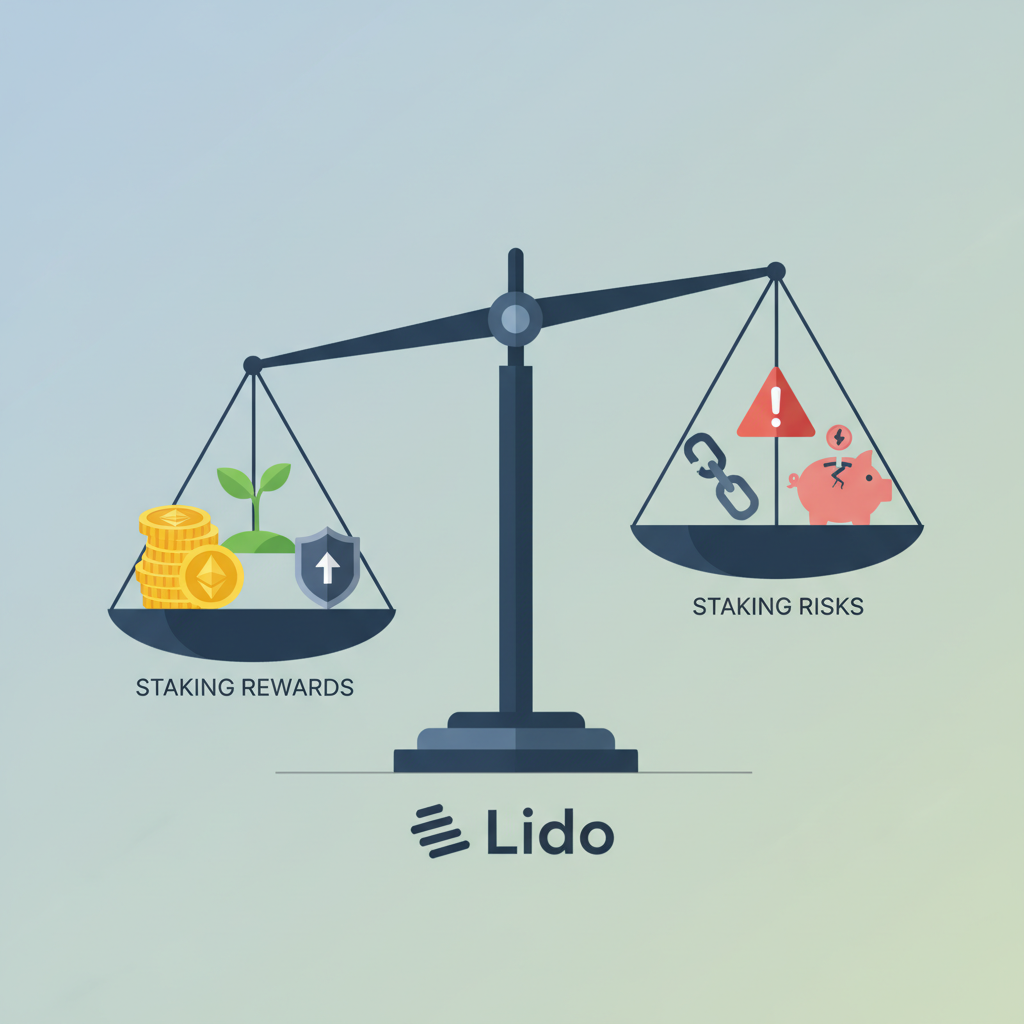
No yield comes risk-free, and Lido's no exception. Smart contract bugs, slashing events, or oracle failures loom, though Lido's audits and DVT mitigate much. Using stETH in DeFi amps counterparty risks - a lending protocol hack could ripple back. Yet, with over $28 billion TVL stress-tested through cycles, Lido's track record reassures. Always DYOR: Diversify, watch gas fees at ETH's $2,288.12 level, and size positions smartly.
Opinion time: For most, Lido edges competitors like Rocket Pool on liquidity and ease. But if you're paranoid about centralization whispers, blend with others. Now, let's dive into action.
Step-by-Step: Staking ETH to stETH on Lido
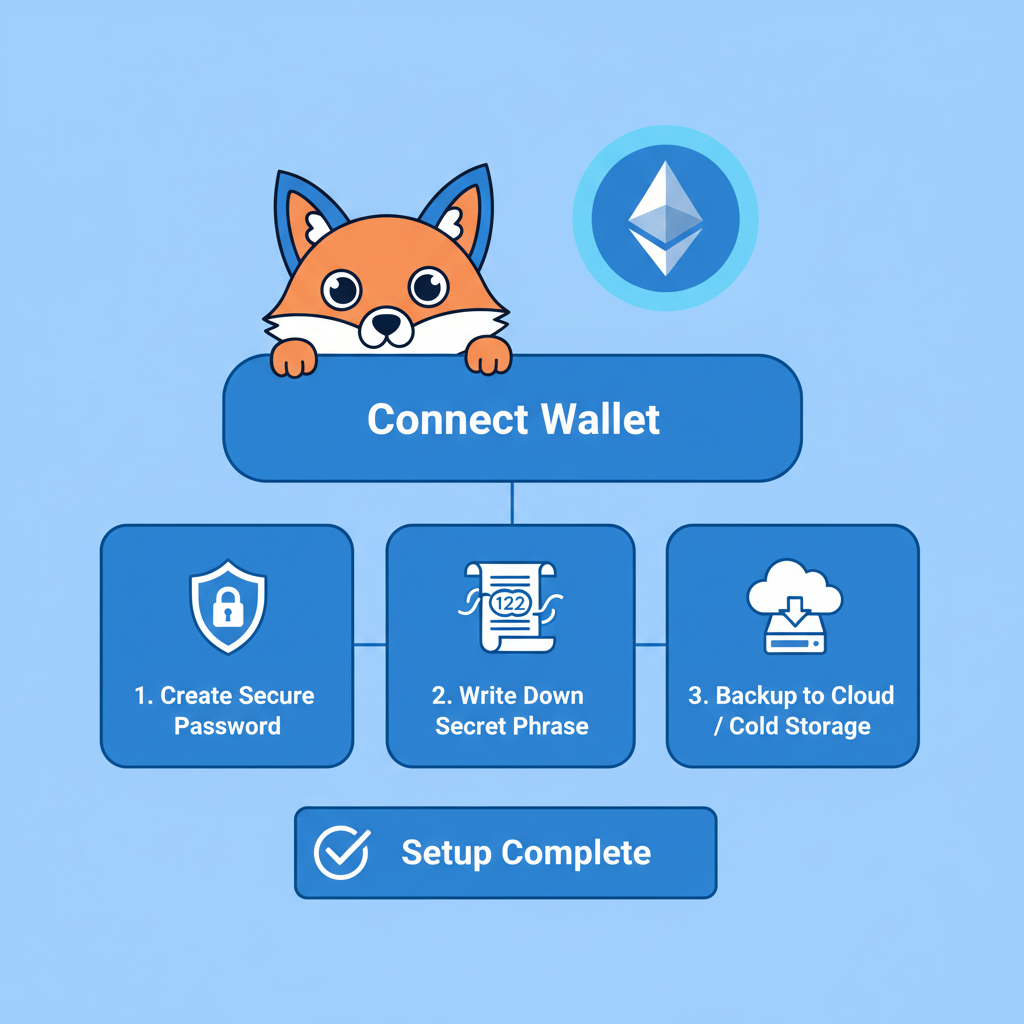
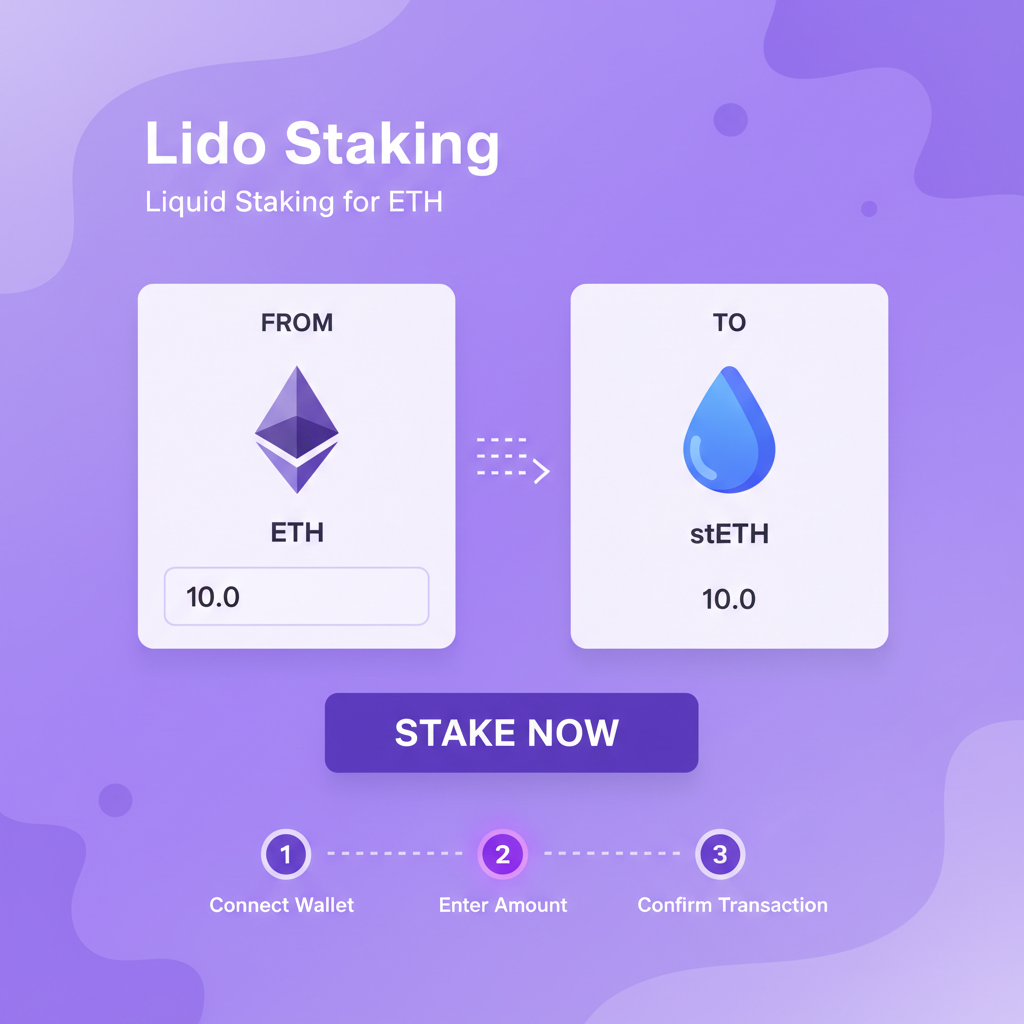
Ready for hands-on? Grab a wallet like MetaMask, fund with ETH. Head to Lido's app at stake. lido. fi. Connect, enter amount - no 32 ETH needed. Confirm, swap ETH for stETH. Boom, you're earning. Next, unwrap rewards or deploy in DeFi.
- Prep Your Wallet: Ensure MetaMask has ETH for gas, eyeing current prices around $2,288.12.
- Visit Lido: Navigate to the staking interface.
- Stake and Receive stETH: Input amount, approve, stake.
We'll cover DeFi plays next, like looping into lending for compounded yields.
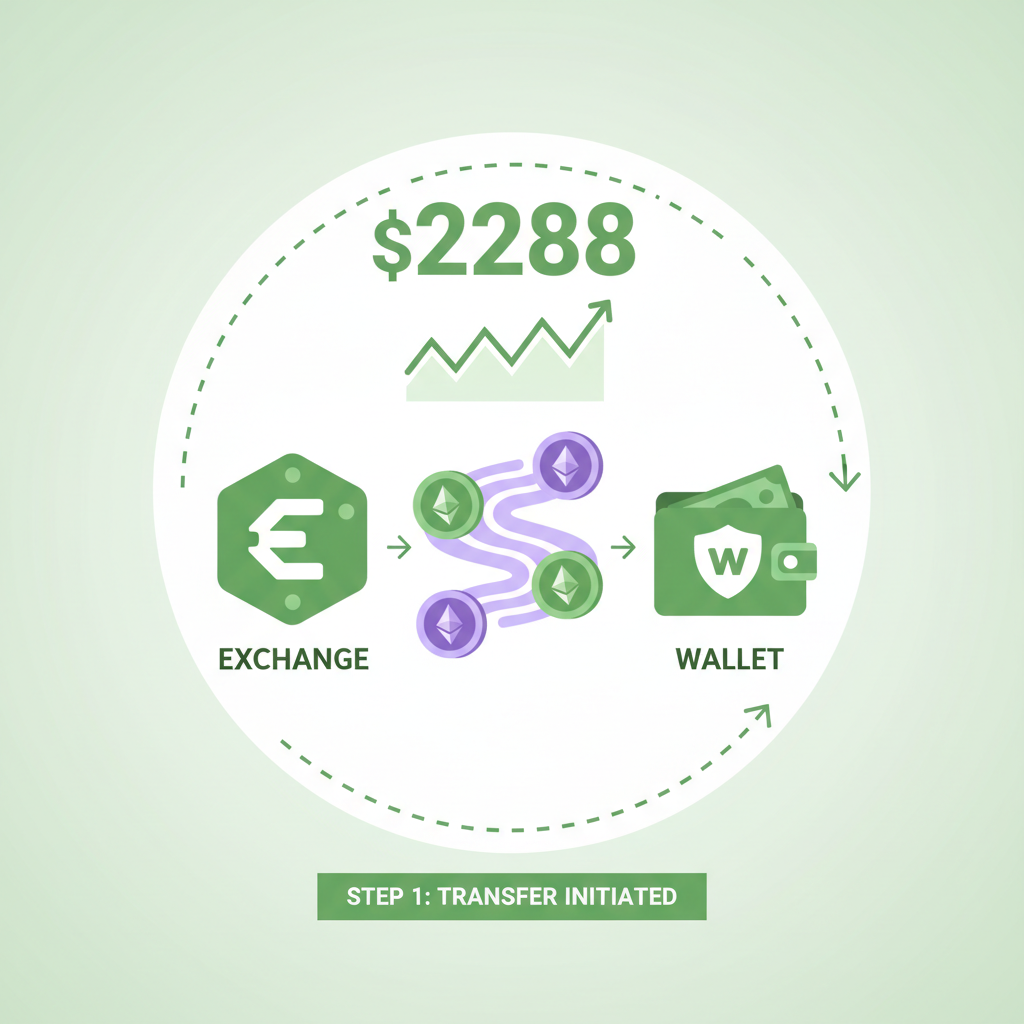
That quick start scratches the surface. For a foolproof process tailored to 2026's interface, including gas optimization at ETH's $2,288.12 price point, follow this illustrated breakdown.
Stake ETH on Lido for stETH: Unlock Yields & DeFi Power in 2026
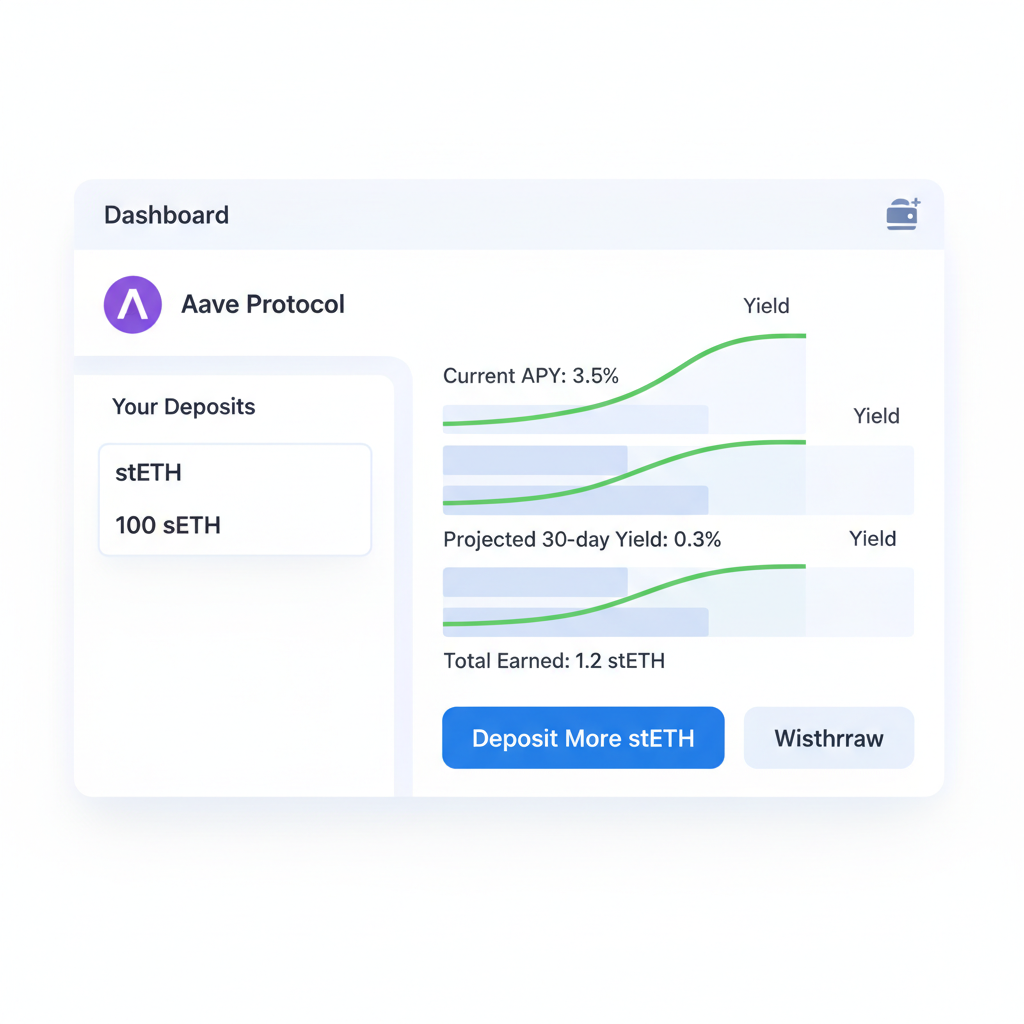
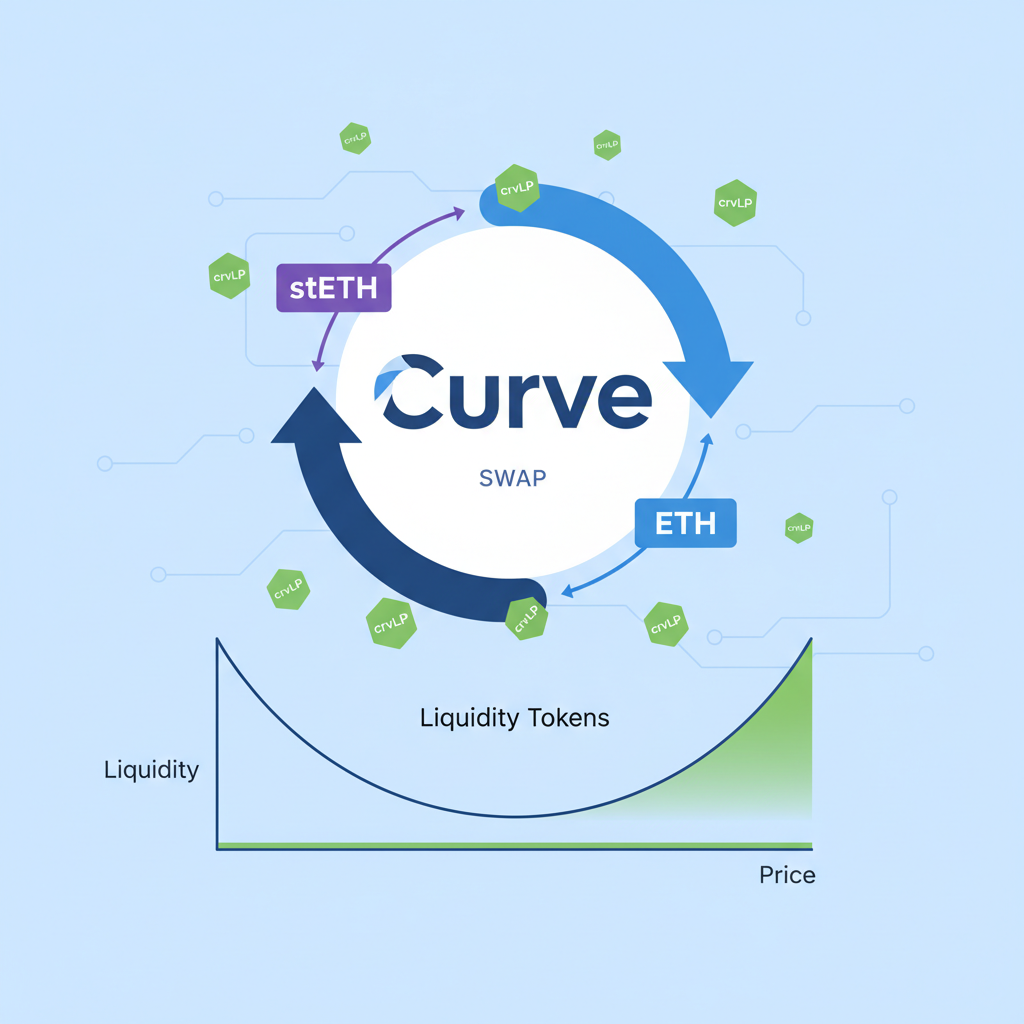
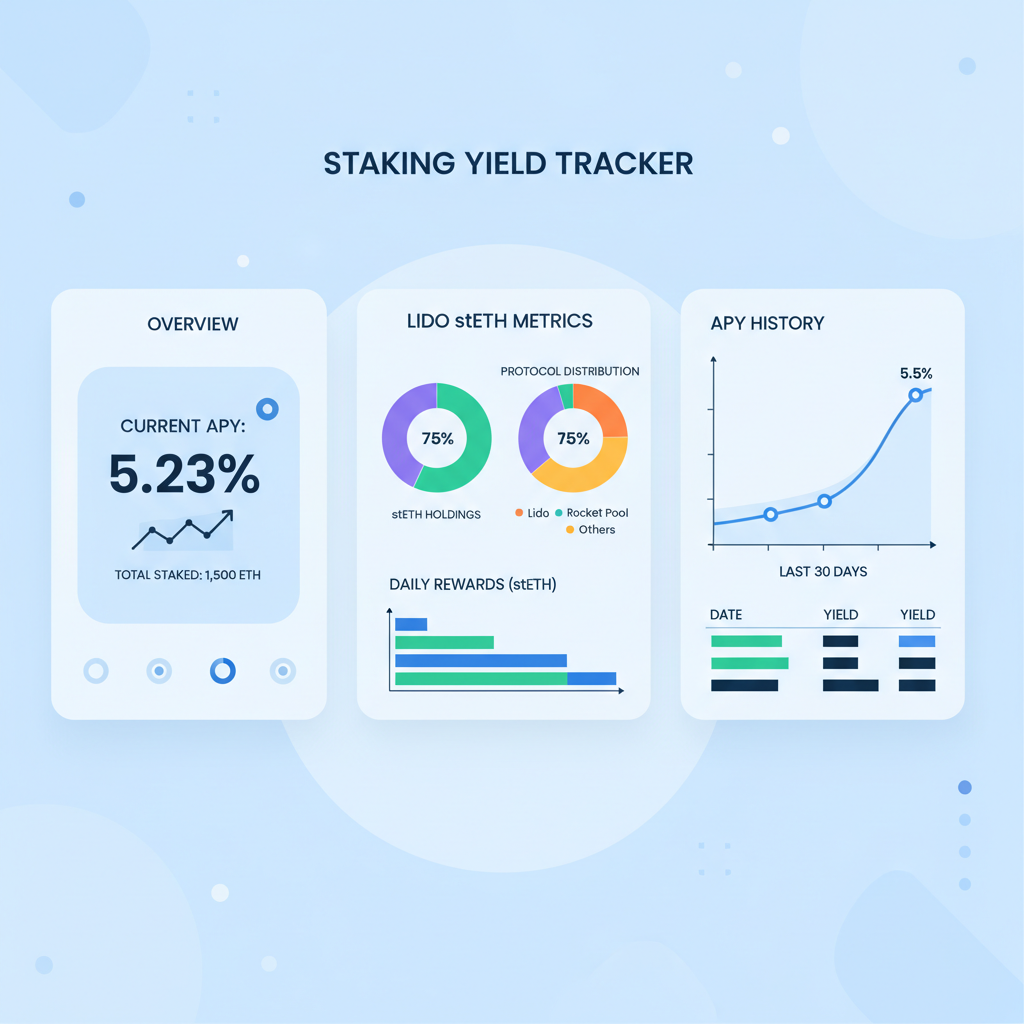
Once your stETH accrues those base 3-4% staking rewards, the real fun ramps up with steth defi composability. Deposit into Aave for lending yields stacking 1-2% more, or pair with ETH on Curve for trading fees and CRV rewards. Advanced players loop strategies: borrow against stETH collateral, restake the borrowed assets, and compound endlessly. I've seen effective APYs hit 7-10% this way, minus impermanent loss risks. Lido's stVaults take it further for institutions, offering modular staking vaults with customized risk profiles - a game-changer as SEC clarity draws in billions.
Yield Stacking Playbook: From 3% to Double Digits
In practice, start simple: Provide stETH-ETH liquidity on Curve, earning 4-6% combined with staking. Then layer restaking via EigenLayer, where your stETH secures AVSs for extra points. Track everything on Lstfi's yield optimizer, which simulates stacks without the guesswork. At current TVL levels between $26.24 billion and $29.7 billion, liquidity runs deep, slippage stays low even in dips like today's -5.83%.
Opinion: Skip hype-driven farms; stick to battle-tested pairs. Lido's node diversity via CSM and DVT keeps rewards steady, unlike flashier but fragile alternatives. For eth liquid staking yields 2026, this setup crushes solo staking's isolation.
Current stETH Yield Stacks (APYs as of 2026)
| Strategy | APY Range |
|---|---|
| Base Staking | 3-4% |
| Aave Lending | +1.5% |
| Curve LP | +2-3% |
| Eigen Restake | +2-4% |
Risks and Safeguards: Stay Ahead of the Curve
Slashing affects just 1/3 of validators under DVT, a far cry from correlated failures elsewhere. Depeg risks? Rare, but monitor stETH/ETH ratios on DEXes. Protocol upgrades demand vigilance, though Lido's veto empowers holders. Gas spikes at $2,288.12 ETH? Batch transactions or use L2s like Optimism for cheaper entry.
Before diving in, run this checklist to bulletproof your position.
Lido shines brightest when paired with diversified LSTs, blending liquidity with resilience. Its 24% staked ETH share isn't dominance for dominance's sake; it's proof of execution.

Common Questions on Lido stETH
As Ethereum matures, Lido's toolkit equips you to navigate volatility, stack yields, and compose without compromises. With ETH at $2,288.12 and institutional winds at its back, now's prime time to stake smart via Lido. Explore deeper on Lstfi and turn liquidity into lasting gains.




No comments yet. Be the first to share your thoughts!