
As Planck Network's $PLANCK token holds steady at $0.000125 amid a modest 24-hour gain of and 0.0800%, LPLANCK liquid staking emerges as a compelling avenue for yield stackers eyeing 2026's decentralized AI boom. This isn't your standard staking play; it's a hybrid model fusing token rewards with real-world GPU compute yields, offering dual streams without hardware hassles or lockups. For DeFi natives, LPLANCK represents a liquid staking token that rebases over time, letting holders capture Planck Network staking upside while deploying it across protocols.
Decoding LPLANCK: Liquid Staking Mechanics in Action
Liquid staking on Planck flips the script on traditional models by issuing LPLANCK at a 1: 1 ratio when you stake $PLANCK. This yield-bearing derivative accrues value through automatic rebasing, reflecting pooled staking rewards directly into your balance. No need to unstake for gains; liquidity persists, enabling seamless use in lending, DEXs, or governance. As of February 6,2026, this setup aligns perfectly with Planck's mainnet maturity, boasting over $60 million in enterprise GPUs across 30 and chains like Ethereum and BNB Chain.
What sets LPLANCK liquid staking apart is its integration with the network's compute layer. Stakers earn baseline $PLANCK emissions controlled by DAO governance, but the real edge comes from optional delegation. This creates a performance-driven ecosystem where capital chases high-uptime operators, boosting overall returns. I've charted similar patterns in forex swings; here, GPU uptime mirrors volatility breakouts, rewarding precision over speculation.
GPU Co-Staking: Bridging Tokens to Compute Power
Dive into GPU co-staking Planck, and you access Proof-of-Connectivity (PoC) for idle GPU time plus Proof-of-Delivery (PoD) for executed workloads. LPLANCK holders delegate stakes to vetted operators running H100s or 4090s, sharing rewards proportional to contribution. Operators stake 3-5x monthly rewards as collateral, ensuring skin in the game; delisting triggers a 180-day release, deterring flakes.
This co-staking democratizes AI infrastructure yields. Without GPUs, you're still in the game, tapping rentals 90% cheaper than AWS. Network revenue has hit $1.5 million since early 2025, underscoring real utility. Opinion: In a sea of hype-driven LSTs, Planck's tie to verifiable compute delivers tangible alpha, especially as AI demand surges.
Yield Breakdown: Quantifying Dual Rewards Potential
Baseline staking flirts with historical highs around 44% APY, per platform trackers, but dual yields elevate it. PoC pays for connectivity, PoD for tasks; co-stakers slice both pies. No lockups mean instant redeployment, ideal for yield optimization. Current $0.000125 price tags entry low, with emissions tapering under DAO control to curb inflation.
Technical lens: Monitor operator uptime charts; top performers consistently outperform by 20-30%. LPLANCK's DeFi composability amplifies this, stacking with liquid staking tokens DeFi plays elsewhere. For swing traders, pair this with $PLANCK momentum; that flat 24h range at $0.000125 high/low signals consolidation before breakout.
Planck (PLANCK) Price Prediction 2027-2032
Bear, Base, and Bull Case Scenarios Driven by Staking Adoption, AI Compute Growth, and Market Cycles
| Year | Minimum Price (Bear Case) | Average Price (Base Case) | Maximum Price (Bull Case) |
|---|---|---|---|
| 2027 | $0.000080 | $0.000250 | $0.000800 |
| 2028 | $0.000200 | $0.001000 | $0.005000 |
| 2029 | $0.000500 | $0.002500 | $0.012000 |
| 2030 | $0.001000 | $0.005000 | $0.025000 |
| 2031 | $0.002000 | $0.010000 | $0.050000 |
| 2032 | $0.003500 | $0.018000 | $0.100000 |
Price Prediction Summary
From a 2026 baseline of $0.000125, PLANCK is forecasted to experience progressive growth through 2032, fueled by dual rewards from LPLANCK liquid staking, GPU co-staking, and surging demand for decentralized AI compute. Bear cases account for regulatory hurdles and competition, base cases reflect steady adoption and network revenue growth, while bull cases project explosive upside from AI boom and crypto market cycles, potentially yielding 100x+ returns by 2032.
Key Factors Affecting Planck Price
- Widespread adoption of GPU staking, liquid staking (LPLANCK), and co-staking mechanisms boosting TVL and utility
- Explosive growth in decentralized AI infrastructure demand, with network revenue from GPU rentals exceeding $100M annually by 2030
- Crypto market cycles aligned with Bitcoin halvings (2028, 2032) amplifying altcoin rallies
- Favorable regulatory developments for DeFi staking and AI compute networks
- Technological advancements in Proof-of-Connectivity/Delivery rewards and DAO governance
- Competition from centralized providers (AWS, Google Cloud) being disrupted by 90% cost reductions
- Macroeconomic factors including AI investment trends and institutional crypto adoption
Disclaimer: Cryptocurrency price predictions are speculative and based on current market analysis. Actual prices may vary significantly due to market volatility, regulatory changes, and other factors. Always do your own research before making investment decisions.
Risk note: GPU markets fluctuate with AI hype, but Planck's multi-chain backbone and $1M and rentals provide ballast. Early TestNet veToken miners converted points post-TGE, seeding liquidity; now mainnet scales it.
Building positions in $PLANCK at its current $0.000125 level offers crisp asymmetry for patient yield stackers. Consolidation here, with identical 24-hour high and low, echoes pre-breakout setups I've traded in crypto swings; staking adoption could catalyze the next leg, especially as mainnet GPU revenue compounds.
Hands-On Execution: LPLANCK Staking and Delegation Blueprint
Precision matters in execution. Planck's interface streamlines entry, but success hinges on operator selection and yield layering. Top operators, identifiable via uptime dashboards, deliver 20-30% excess returns; delegate there for compounded PoC and PoD exposure. This isn't passive holding; it's active capital allocation, mirroring forex pairs where liquidity providers outperform.
LPLANCK Liquid Staking: Stake, Delegate, Earn Dual Yields (No Lockups)
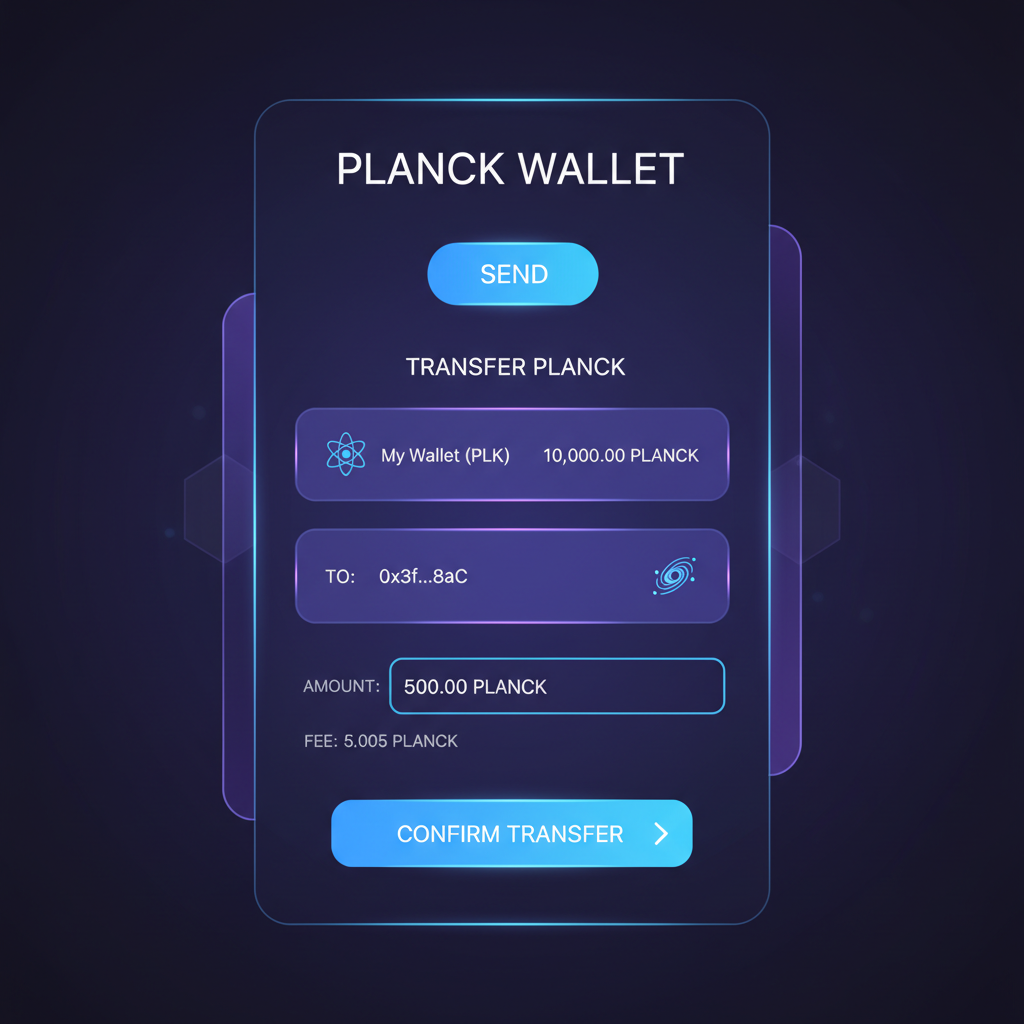
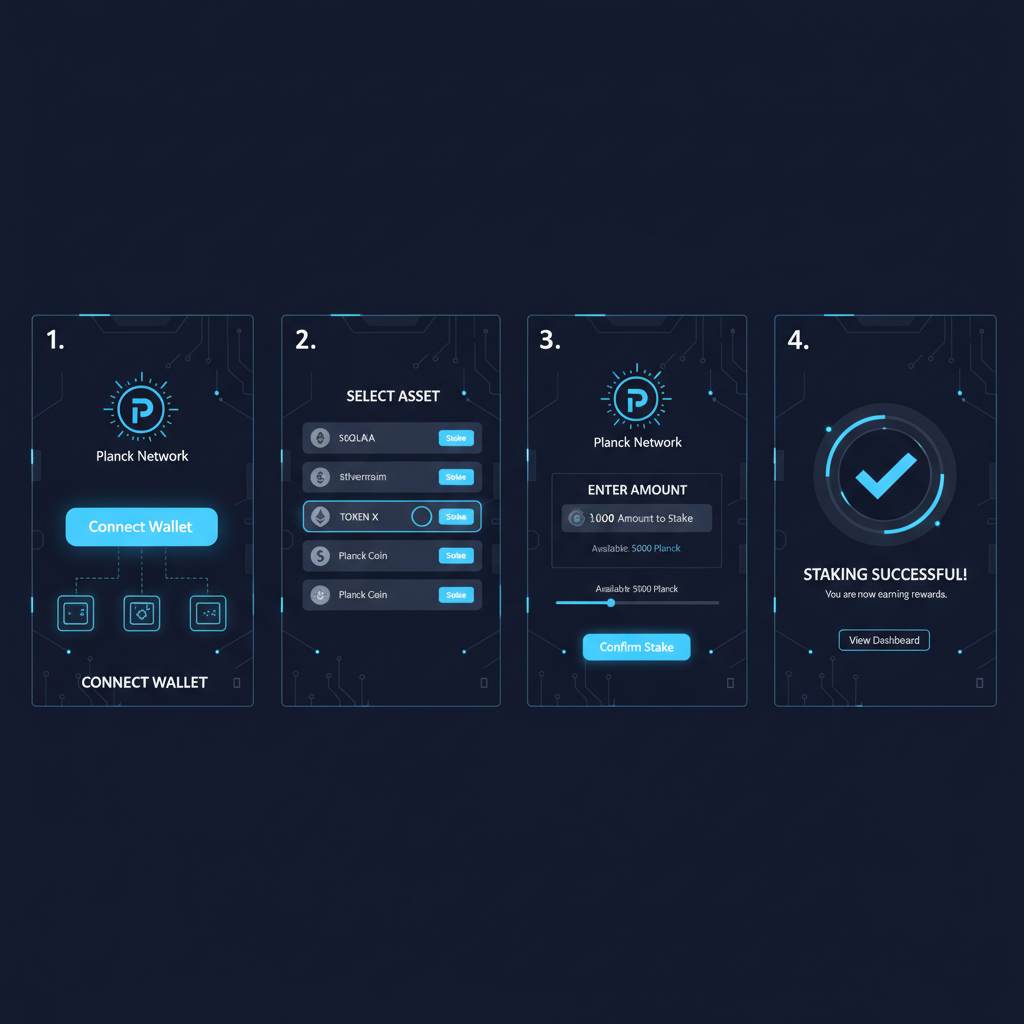
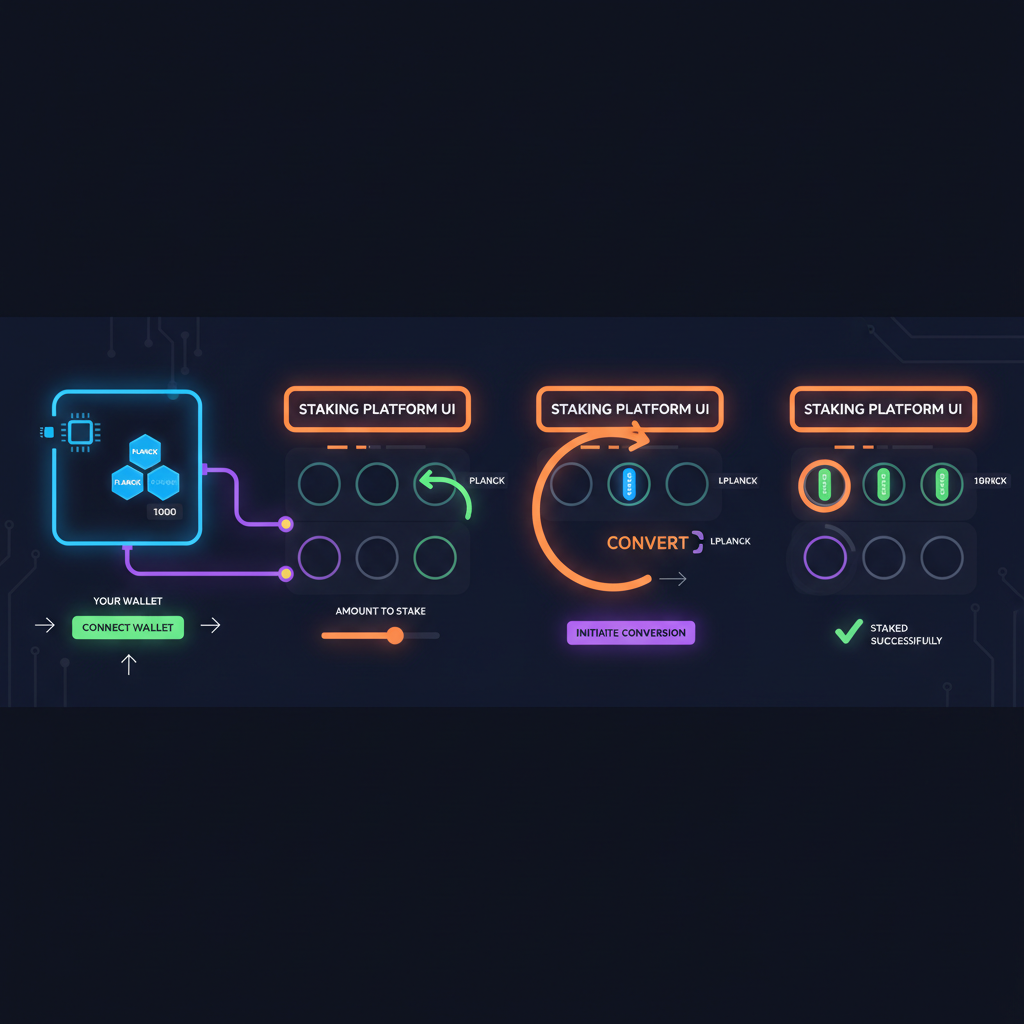
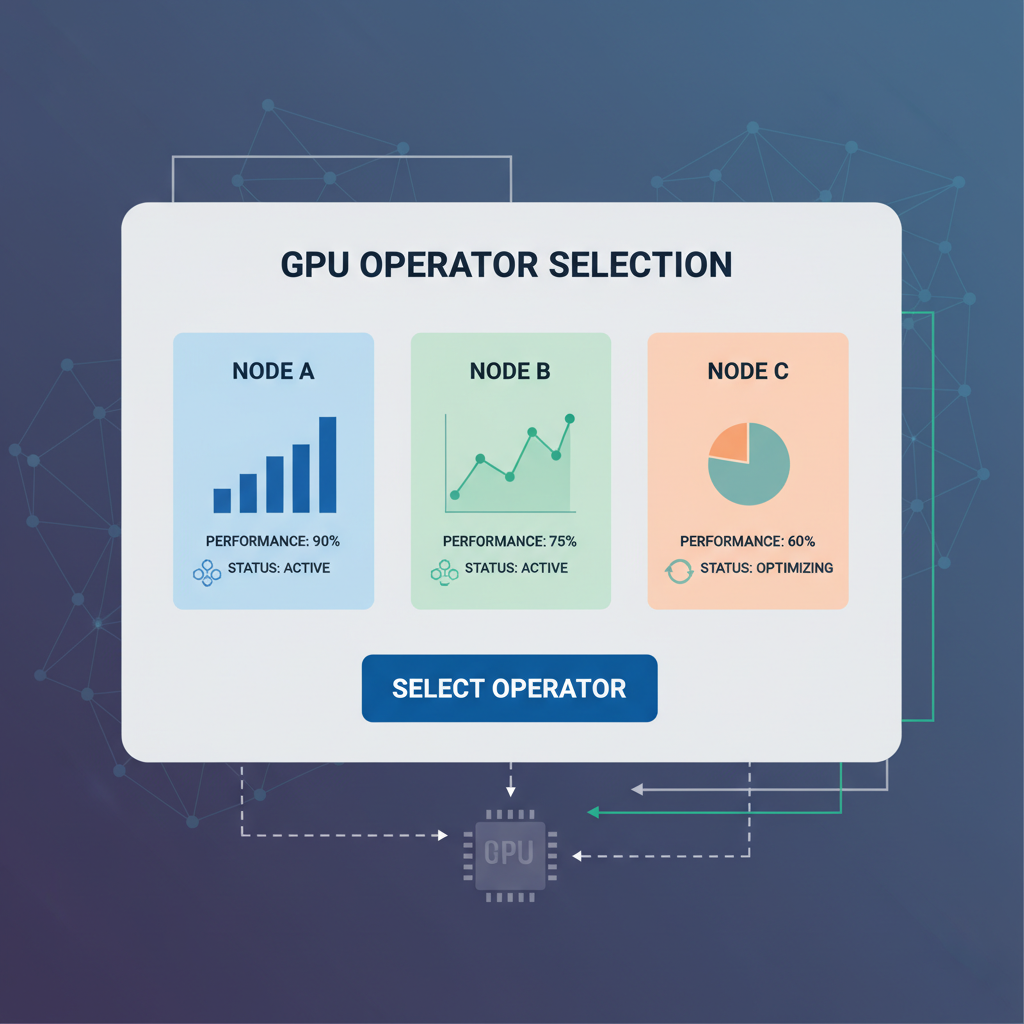
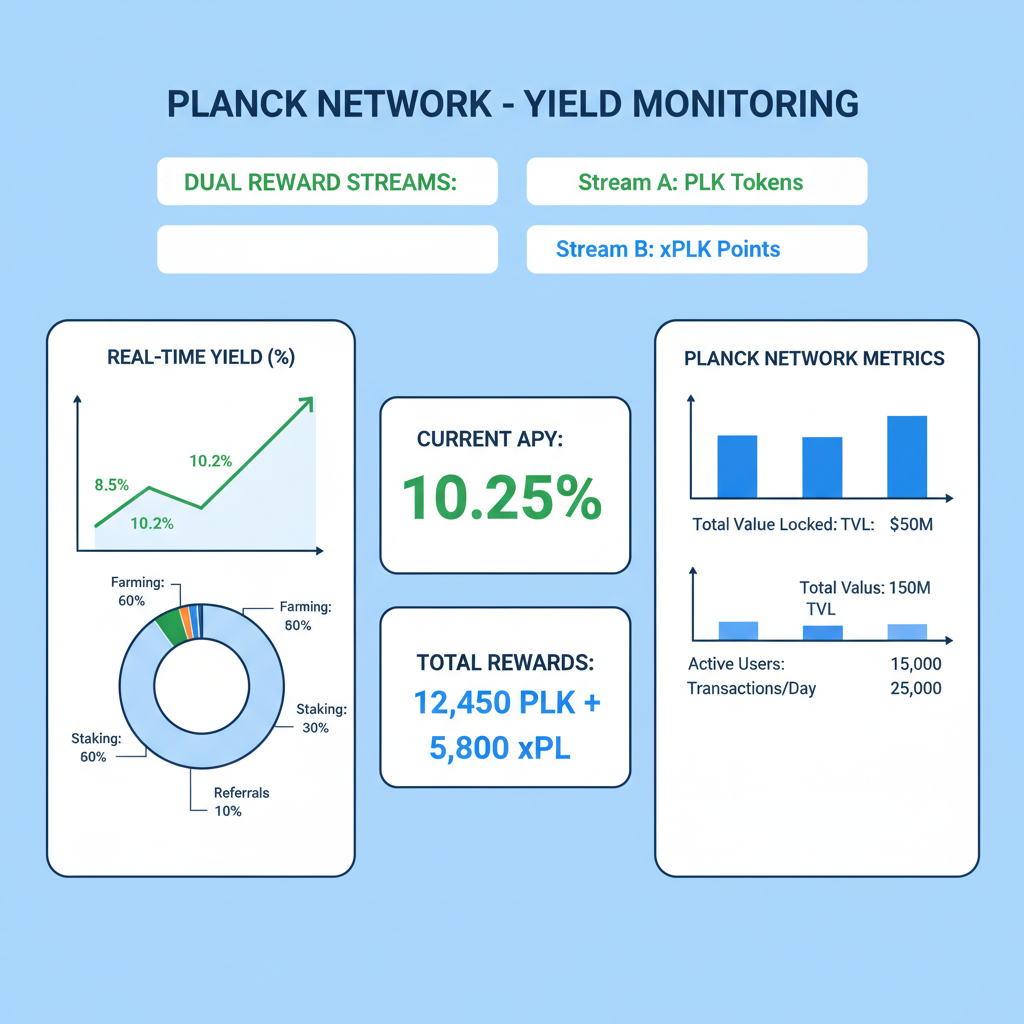
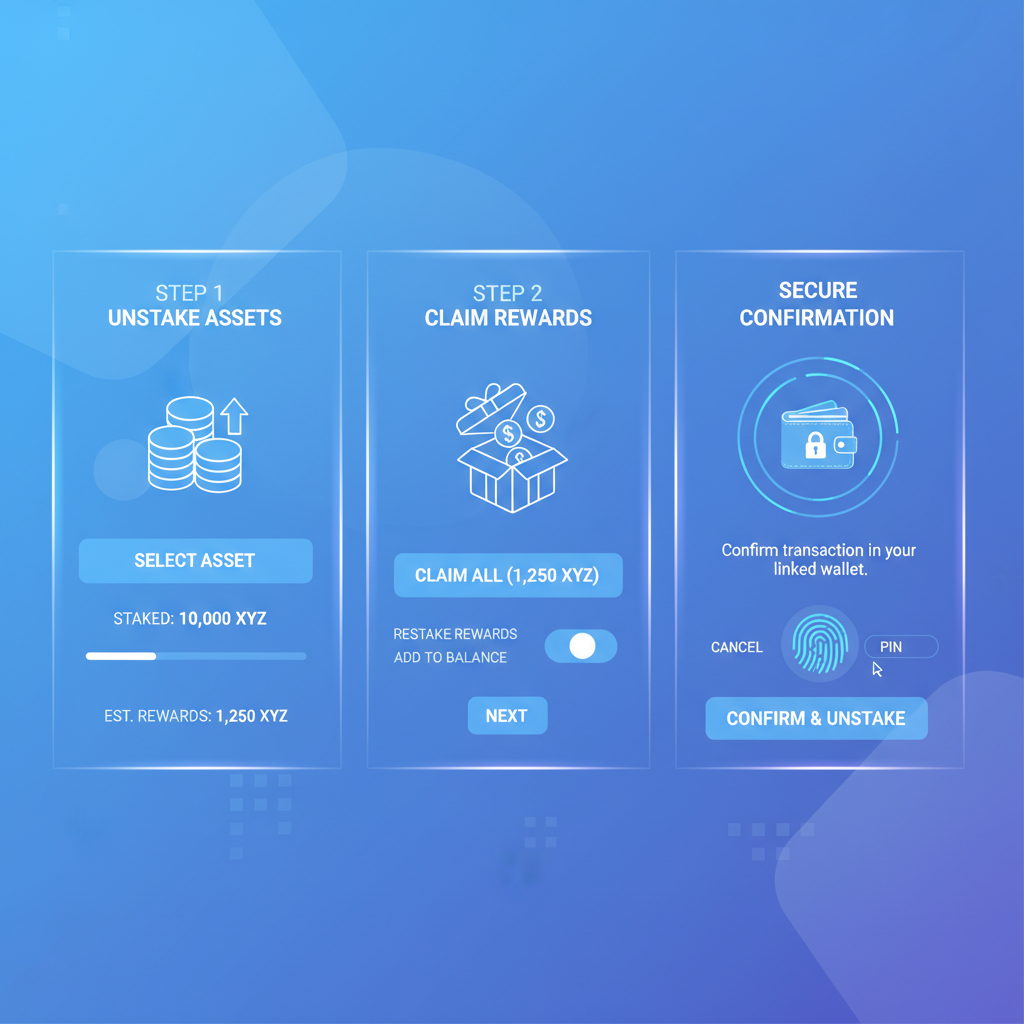
Post-delegation, LPLANCK rebases autonomously, capturing baseline emissions alongside compute shares. DAO governance lets holders vote on emission schedules, fine-tuning inflation against growth. In my view, this voter-aligned model trumps rigid protocols; it rewards foresight, much like spotting candlestick reversals before the herd.
Dual Yield Matrix: Planck vs. Standard LST Benchmarks
Quantifying edges requires side-by-side scrutiny. Planck's hybrid yields outpace vanilla LSTs through compute linkage, but variance ties to operator performance. At $0.000125, even modest APY uplifts compound meaningfully over 2026's projected AI expansion.
Comparison: Planck GPU Co-Staking, LPLANCK Liquid Staking vs Traditional LSTs (e.g., stETH)
| Type | Reward Streams | Est. APY | Liquidity | Hardware Reqs | Pros/Cons |
|---|---|---|---|---|---|
| Planck GPU Co-Staking | PoC + PoD (shared via LPLANCK delegation) | Up to 44% | High (LPLANCK DeFi composable, no lockups) | None | ✅ Dual yields from compute & connectivity, AI utility ❌ Relies on GPU operators |
| LPLANCK Liquid Staking | Rebasing + optional PoC/PoD delegation | Up to 44% | Full (yield-bearing, redeem anytime) | None | ✅ Flexible liquidity, governance, no hardware needed ❌ Smart contract risks |
| Traditional LSTs (stETH) | Rebasing (PoS rewards) | 4-6% | High (DeFi composable) | None | ✅ Proven security, battle-tested ❌ Lower yields, no compute rewards |
Operators collateralize 3-5x monthly rewards, slashing default risk; co-stakers ride this security blanket. Network stats reveal $1.5 million cumulative rentals fueling buybacks or burns, ballast against volatility. For L-PLANCK rewards, this real revenue stream sets it apart in the liquid staking tokens DeFi arena.
Pattern Recognition: Technical Setup for 2026 Breakouts
As a chartist, I fixate on confluence. $PLANCK's flat range at $0.000125 forms a textbook pennant, primed for volume spikes on GPU onboarding news. Overlay staking metrics: rising LPLANCK TVL correlates with 15-25% pumps in past cycles. Dual rewards amplify momentum; PoD execution logs act as leading indicators, signaling demand before price reacts.
2026 catalysts stack neatly: enterprise GPU influx, multi-chain expansions, DAO-led emissions taper. Co-staking inflows could mirror ETH LST booms, but with AI utility as the kicker. Risk? Operator centralization, though 180-day delist penalties enforce dispersion. My read: overweight LPLANCK for swings, hedging with spot $PLANCK at these levels.
Planck's architecture syncs tokens, compute, and community into a resilient flywheel. Yield stackers bridging Planck Network staking with DeFi composability unlock rare alpha in a maturing ecosystem. Charts don't lie; ride this wave as AI infrastructure decentralizes.


No comments yet. Be the first to share your thoughts!