

Picture this: SOL trading at $84.39, up $1.77 in the last 24 hours, and you're earning staking yields while deploying it across Solana's buzzing DeFi scene. No locked assets, just pure capital efficiency. That's the magic of liquid staking derivatives (LSDs) and liquid restaking tokens (LRTs). On Solana, these tools are revolutionizing how we stack yields, letting you chase higher returns without sacrificing liquidity. If you're tired of traditional staking's opportunity cost, stick around as we dive into LSDs vs LRTs and how they supercharge your portfolio.
Solana's ecosystem thrives on speed and low fees, making it a hotspot for LSDs Solana innovation. But what exactly sets these apart from plain staking? Let's break it down.
Mastering Liquid Staking Derivatives: Stake SOL, Stay Flexible
Liquid staking derivatives let you stake SOL and get back a token that mirrors your position, like mSOL from Marinade Finance. You deposit SOL, validators secure the network, and you hold mSOL, which accrues staking rewards automatically. The best part? Trade it, lend it, or provide liquidity anywhere on Solana DeFi platforms. No more watching dust settle on locked funds.
Take current market vibes: with SOL at $84.39, staking via LSDs means you're earning around base APYs while your derivative token composes with lending protocols or DEXs for extra juice. Protocols like Jito add MEV boosts, squeezing out more rewards. It's yield stacking made simple, and on Solana, it's exploding because LSTs like mSOL integrate seamlessly everywhere.
"Liquid staking tokens (LSTs) are gaining traction because they combine staking rewards with liquidity, allowing users to actively use their assets in DeFi. " - Gemini Trust
This isn't just theory. LSDs eliminate the liquidity trap of native staking, where your SOL sits idle. Instead, you're boosting DeFi yields by looping mSOL into Raydium pools or Kamino lending. Check out strategies pushing LST APYs higher for real-world plays.
Level Up with Liquid Restaking Tokens: Double-Dip on Rewards
Now, enter LRTs, the yield chasers' dream. LRTs take LSDs further by restaking them to secure other networks or AVS (Actively Validated Services). Deposit your mSOL into a restaking platform, get an LRT back, and boom: you're earning original staking yield plus restaking rewards. It's like staking on steroids, all while keeping everything liquid as SPL tokens.
On Solana, LRTs shine because the chain's parallel processing handles the complexity without hiccups. Platforms restake your LSDs across services, paying you in multiple streams. Galaxy Research nails it: LRTs are composable, tradable, and DeFi-ready, just like LSDs but with amplified potential. Imagine SOL at $84.39 fueling not just validators, but oracles and bridges too.
Why the hype? LRTs DeFi adoption is surging as users hunt Solana yield stacking. It's not without edge, though, more layers mean watching for smart contract risks, but the reward multiplier often outweighs it for savvy stackers.
LSDs vs LRTs Head-to-Head: Which Wins for Your Solana Bag?
Core difference? LSDs focus on primary staking liquidity; LRTs layer restaking for compounded gains. LSDs suit beginners wanting simple liquidity, stake once, use mSOL freely. LRTs appeal to yield maximizers, restaking LSDs for 20-50% extra APY potential, depending on market.
| Feature | LSDs | LRTs |
|---|---|---|
| Liquidity | Full (e. g. , mSOL tradable) | Full (SPL composable) |
| Yields | Staking base and DeFi | Staking and Restaking and DeFi |
| Risk | Moderate (depeg, contracts) | Higher (multi-layer) |
| Solana Fit | Excellent (mSOL, JitoSOL) | Emerging powerhouses |
Both crush locked staking. With SOL's 24h high at $85.27, timing LSD entry now positions you for upside while stacking yields. Dive deeper into top platforms to pick winners.
Solana (SOL) Price Prediction 2027-2032
Impact of Liquid Staking Derivatives (LSDs) and Liquid Restaking Tokens (LRTs) on DeFi Yields from 2026 Baseline of $84.39
| Year | Minimum Price | Average Price | Maximum Price | YoY % Change (Avg from Prev Year) |
|---|---|---|---|---|
| 2027 | $120 | $200 | $350 | +137% |
| 2028 | $180 | $350 | $600 | +75% |
| 2029 | $250 | $500 | $900 | +43% |
| 2030 | $350 | $700 | $1,200 | +40% |
| 2031 | $450 | $950 | $1,600 | +36% |
| 2032 | $600 | $1,200 | $2,000 | +26% |
Price Prediction Summary
Solana (SOL) is poised for strong growth from its 2026 baseline of $84.39, fueled by LSDs (e.g., mSOL) and LRTs enhancing DeFi yields and liquidity without asset locks. Average prices are projected to rise progressively to $1,200 by 2032 amid bull cycles, adoption surges, and tech upgrades, with min/max reflecting bearish/bullish scenarios.
Key Factors Affecting Solana Price
- Rapid adoption of LSDs and LRTs increasing Solana TVL, fees, and network utility
- Solana's scalability advantages over competitors like Ethereum L2s driving DeFi migration
- Market cycles with potential 2027-2028 bull run post-2026 consolidation
- Regulatory developments favoring staking derivatives and PoS networks
- Technological improvements in restaking protocols and MEV optimization
- Risks including smart contract vulnerabilities, depegging events, and macroeconomic pressures
Disclaimer: Cryptocurrency price predictions are speculative and based on current market analysis. Actual prices may vary significantly due to market volatility, regulatory changes, and other factors. Always do your own research before making investment decisions.
Choosing between them? Start with LSDs for stability, graduate to LRTs as you scale. Solana's low costs make experimentation cheap, turning $84.39 SOL into a yield machine.
Ready to put this into action? Let's map out how to dive into LSDs Solana and LRTs DeFi right now, with SOL humming at $84.39 after that tidy 24-hour bump of $1.77. Pick a protocol, stake, and watch your yields compound while you sip coffee.
Top Solana Protocols to Stack Yields: mSOL, JitoSOL, and Beyond
Marinade Finance leads with mSOL, the OG liquid staking token that's everywhere on Solana. Stake SOL, grab mSOL, and plug it into Orca for LP yields or Marginfi for lending boosts. JitoSOL takes it up a notch with MEV capture, often edging out base APYs by capturing bundle profits from searchers. Then there's emerging LRT plays like those from Sanctum or experimental restakers, letting you restake LSDs for oracle validations or data availability layers.
These aren't set-it-and-forget-it; they're dynamic. With SOL's low at $85.27 today, deploying via Jito means your position rides the upside while MEV juices returns. I've seen stacks hit 10-15% effective APY combining staking and DeFi, crushing native staking's 7-8%. Check multi-yield LST tactics for blueprints that fit any portfolio size.
Top Solana LSD/LRT Protocols
| Protocol | TVL | Base APY (%) | DeFi Boost Potential (%) | Risks |
|---|---|---|---|---|
| mSOL (Marinade Finance) | High | 7-12 | Extra 5-20 | Low-Mod |
| JitoSOL (Jito) | High | 7-12 | Extra 5-20 | Low-Mod |
| Sanctum | High | 7-12 | Extra 5-20 | Low-Mod |
Yield stacking shines here: stake to LSD, lend on Kamino, LP the borrowed assets. It's capital efficiency on fire, and Solana's speed keeps gas fees negligible.
Yield Stacking Strategies: From LSD Loops to LRT Power Plays
Start simple: LSD-only loop. Stake SOL for mSOL, lend mSOL on Drift, borrow stablecoins, swap back to SOL, repeat. Or go bold with LRTs: restake JitoSOL into AVS, use the LRT in DEXs for trading fees atop staking and restaking cuts. Solana yield stacking thrives on composability; one token works across 50 and apps.
Pro tip from my digs: pair LSDs with stablecoin farms during volatility. SOL at $84.39? Hedge with USDC pairs using your LST as collateral. Platforms like Meteora make this seamless, turning single-digit staking into double-digit hauls. Risks amp up with leverage, so position size smartly; never more than 20% per strategy.

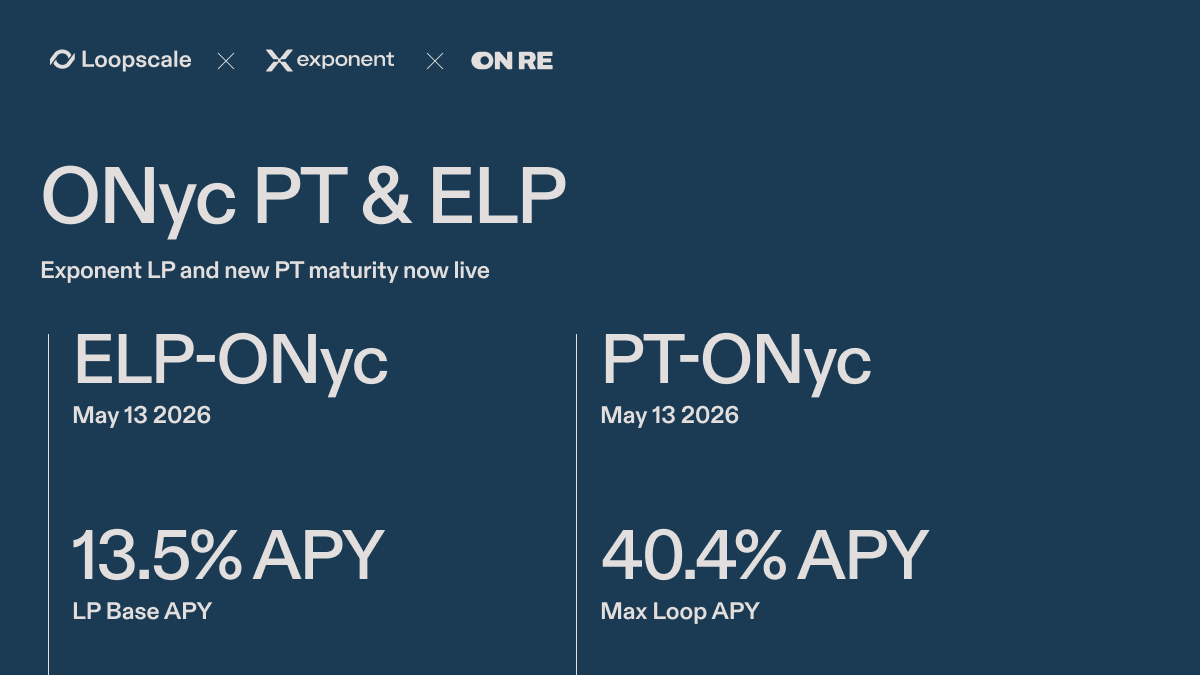
Numbers don't lie. LSD staking yields baseline at network rates, but layering DeFi or restaking pushes 15-25% in bull runs. Track via Lstfi dashboards for live APYs.
Navigating Risks Like a Pro: Stay Safe, Stack Smart
Smart contracts top the worry list; audits matter, so stick to battle-tested like Marinade (multi-year flawless runs). Depegging hits in panics, but Solana LSTs hold tight historically, rarely dipping over 1%. LRTs add correlation risk if restaked services falter, yet diversification across 2-3 mitigates.
Volatility? SOL's 24h range from $81.84 to $85.27 shows swings, but liquidity keeps exits smooth. My rule: dollar-cost average entries, set 10% trailing stops on leveraged plays. Regulate your exposure; these boost yields without blowing up bags.
Future's bright. As Solana scales, LRTs will secure more AVS, pumping multi-yield norms. With Binance-Peg SOL steady at $84.39, now's prime time to experiment. Head to liquidstakers. com for analytics, guides, and the full LST suite. Stack smarter, yield harder, and let's unlock DeFi's next layer together.




No comments yet. Be the first to share your thoughts!