


In the fast-paced world of decentralized finance, traditional staking often feels like tying one hand behind your back. You commit your ETH or AVAX to secure a network, earn rewards, but sacrifice liquidity for weeks or months. Enter liquid staking tokens (LSTs) like ankrETH and ankrAVAX from Ankr. These innovative derivatives let you stake your assets, receive a 1: 1 representation in return, and keep your capital working across DeFi protocols. No more opportunity cost; instead, you stack yields by lending, providing liquidity, or farming with your LSTs while original staking rewards accrue seamlessly.

Ankr’s approach stands out in a crowded field. When you stake ETH or AVAX via their dashboard, LSTs land automatically, mirroring your staked position plus rewards. This capital efficiency staking model, as detailed in Ankr’s own resources, transforms idle assets into versatile tools. Recent insights from DailyCoin underscore how Ankr’s products deliver competitive yields, often edging out rivals through optimized validator networks and low fees.

Why ankrETH Revolutionizes ETH Liquid Staking
Ethereum staking post-Merge has exploded, yet liquidity remains a pain point for many. ankrETH changes that equation. Stake your ETH on Ankr’s platform, and you get ankrETH instantly. This LST tracks your underlying staked ETH, accruing rewards passively. The real magic unfolds in DeFi: deploy ankrETH into lending markets on Aave or Compound for extra interest, or pair it on Uniswap for trading fees. I’ve analyzed countless strategies, and ankrETH DeFi integrations shine for their composability.
Consider a practical flow. A user stakes 1 ETH, receives 1 ankrETH. They then supply it to a lending protocol, earning 2-4% APY on top of Ethereum’s base staking yield around 3-5%. Videos like JohnnyTime’s breakdown of ETH yield strategies highlight similar plays, pushing effective APYs toward 10% or more without excessive risk. Ankr’s security, backed by decentralized validators, minimizes slashing risks, making it a methodical choice for portfolio builders.
ankrAVAX Staking: Unlocking AVAX LST Yields on Avalanche
Avalanche’s subnet architecture demands robust staking, but locking AVAX hampers its use in high-speed DeFi. ankrAVAX solves this with frictionless liquidity. Stake AVAX, claim your LST, and dive into Avalanche’s ecosystem. Balancer’s recent deployment on Avalanche tailors pools for LSTs like ankrAVAX, offering efficient liquidity provision over standard stable pairs. Users report sustained yields; one Medium account detailed 166 days of ankrAVAX holding, blending staking rewards with cross-chain opportunities.
AVAX LST yields benefit from Avalanche’s low fees and fast finality. Provide ankrAVAX/AVAX liquidity on Trader Joe or Pangolin, capturing fees while your LST appreciates via rewards. Diversification tips from sources like Cloudflare emphasize spreading LST exposure, pairing ankrAVAX with other assets for balanced risk. In my view, this setup exemplifies yield stacking LSTs, turning single-asset staking into multi-layered income streams.
Ankr (ANKR) Price Prediction 2027-2032
Forecasts based on liquid staking adoption (ankrETH: 4-6% base + DeFi boosts; ankrAVAX: 5-8% + LP fees), DeFi growth, and market cycles from 2026 baseline ($0.0047)
| Year | Minimum Price | Average Price | Maximum Price |
|---|---|---|---|
| 2027 | $0.0050 | $0.012 | $0.025 |
| 2028 | $0.008 | $0.020 | $0.045 |
| 2029 | $0.012 | $0.035 | $0.080 |
| 2030 | $0.020 | $0.055 | $0.130 |
| 2031 | $0.030 | $0.090 | $0.220 |
| 2032 | $0.045 | $0.150 | $0.400 |
Price Prediction Summary
ANKR is poised for significant growth from its 2026 price of ~$0.0047, driven by rising demand for Ankr’s LSTs in DeFi. Base case average price could hit $0.15 by 2032 (30x+ growth), with bullish scenarios up to $0.40 amid bull markets and adoption surges, while bearish mins reflect corrections and competition.
Key Factors Affecting Ankr Price
- Adoption of LSTs like ankrETH and ankrAVAX for liquid staking rewards (4-8%+ yields)
- DeFi integrations enabling yield farming, LP fees, and lending
- Crypto market cycles with potential 2028-2030 bull run post-Bitcoin halving
- Regulatory clarity on staking and DeFi boosting institutional inflows
- Ankr platform expansions and tech upgrades improving security/efficiency
- Competition from Lido, Rocket Pool; risks include smart contract vulnerabilities and market downturns
- Token utility growth via governance, fees, potential burns increasing scarcity
Disclaimer: Cryptocurrency price predictions are speculative and based on current market analysis.
Actual prices may vary significantly due to market volatility, regulatory changes, and other factors.
Always do your own research before making investment decisions.
Current market dynamics favor these LSTs. With Ankr Network (ANKR) steady at $0.004718 despite a slight 24h dip of -0.0483%, underlying LST demand grows. Milk Road’s 2025 rankings and BeInCrypto’s 2026 watchlist position Ankr among top platforms, citing real yields net of risks like depegging or smart contract vulnerabilities. Yet, thoughtful users mitigate these via hardware wallets and position sizing.
DeFi Strategies to Maximize LST Potential
Beyond holding, yield stacking LSTs demands strategy. For ankrETH, loop it through Pendle for fixed yields or Yearn vaults for auto-compounding. On Avalanche, ankrAVAX fits Balancer’s LST-optimized pools, as Avax. network notes, fueling capital efficiency. Intermediate plays, akin to SolanaFloor’s guides, involve liquidity providing with hedges against impermanent loss.
Opinions diverge on risk levels, but data supports measured aggression. Safe set-and-forget yields hover at staking base rates; spicier tactics, per yield analysts, hit 15-20% via layered DeFi. Ankr’s dashboard simplifies tracking, issuing LSTs across ETH, AVAX, FTM, ensuring portability. This isn’t hype; it’s a structural shift toward liquid staking in DeFi lending, where protocols thrive on LST collateral.
Layering LSTs into protocols like these requires precision to avoid pitfalls. I’ve seen portfolios balloon through disciplined yield stacking LSTs, but only when users grasp the mechanics. For ankrETH, Pendle’s yield tokenization lets you sell future rewards upfront, locking in gains amid volatility. On Avalanche, ankrAVAX in Balancer pools minimizes slippage, channeling fees back to LPs efficiently.
APY Comparison for Top ETH Liquid Staking Strategies Using ankrETH
| Strategy | Estimated APY | Risk Level | Description |
|---|---|---|---|
| Safe Baseline Staking | 4-5% | 🟢 Low | Stake ETH via Ankr to receive ankrETH and earn base staking rewards while maintaining liquidity. |
| LST + DeFi Lending | 8-12% | 🟡 Medium | Use ankrETH in lending protocols like Aave to earn additional lending yields on top of staking rewards. |
| Advanced Leveraged Plays | Up to 21% | 🔴 High | Leveraged yield farming or looping strategies with ankrETH in DeFi for maximized returns. |
Real-world performance backs this. Medium chroniclers of 166 days in ankrAVAX staking highlight cross-chain yield portability, holding LSTs on Ethereum for extra layers. Milk Road’s platform rankings affirm Ankr’s edge in ETH liquid staking and beyond, balancing yields against depegging risks through overcollateralization and timely redemptions.
Risks and Safeguards in LST Adoption
No strategy thrives without risk assessment. LSTs introduce smart contract vulnerabilities, oracle failures, and impermanent loss in liquidity pools. Ankr mitigates via audited contracts and decentralized validators, slashing exposure far below centralized alternatives. Depegging, where LST value drifts from underlying, occurs rarely but warrants monitoring; historical data shows ankrETH and ankrAVAX hugging 1: 1 tightly. BeInCrypto’s 2026 guide stresses diversification: allocate 20-30% to LSTs, hedge with stables, and redeem periodically to claim rewards.
In my analysis, capital efficiency staking outweighs downsides for informed users. Position sizing keeps drawdowns manageable, while Ankr’s dashboard offers redemption queues for unstaking without penalties post-unbonding. Current ANKR price at $0.004718, with a 24h change of -0.0483%, reflects protocol stability amid market wobbles, underscoring LST resilience.
Top 5 DeFi Strategies for ankrETH & ankrAVAX
-
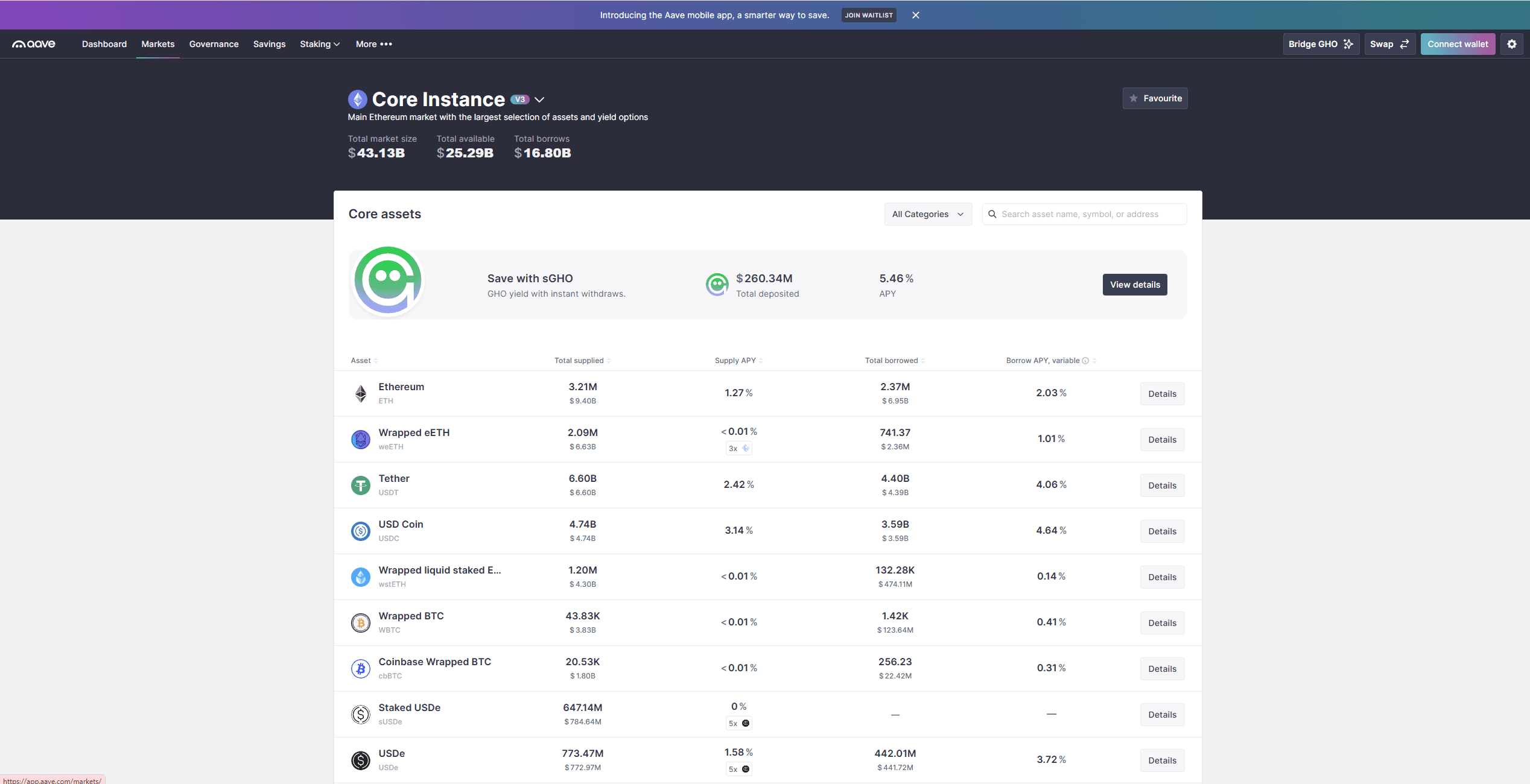
1. Lending on Aave: Deposit ankrETH or ankrAVAX as collateral on Aave to earn lending interest while retaining staking rewards. Borrow against LSTs for leveraged positions, stacking yields securely.
-
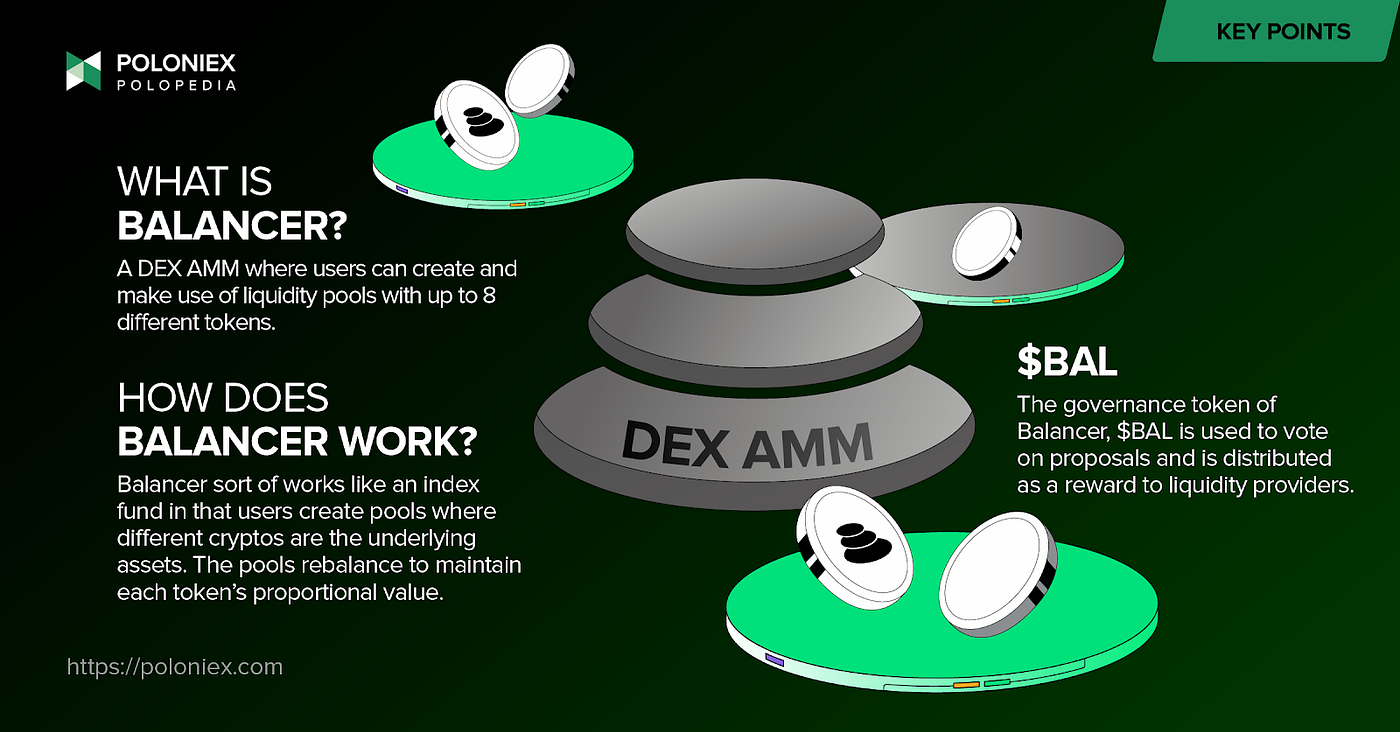
2. LP on Uniswap/Balancer: Provide liquidity in ankrAVAX/AVAX pairs on Uniswap or Balancer pools on Avalanche. Earn trading fees atop staking rewards, with Balancer optimized for LST efficiency.
-

3. Yield Farming on Yearn: Deposit ankrETH or ankrAVAX into Yearn.finance vaults for automated yield optimization and compounding, maximizing returns methodically.
-
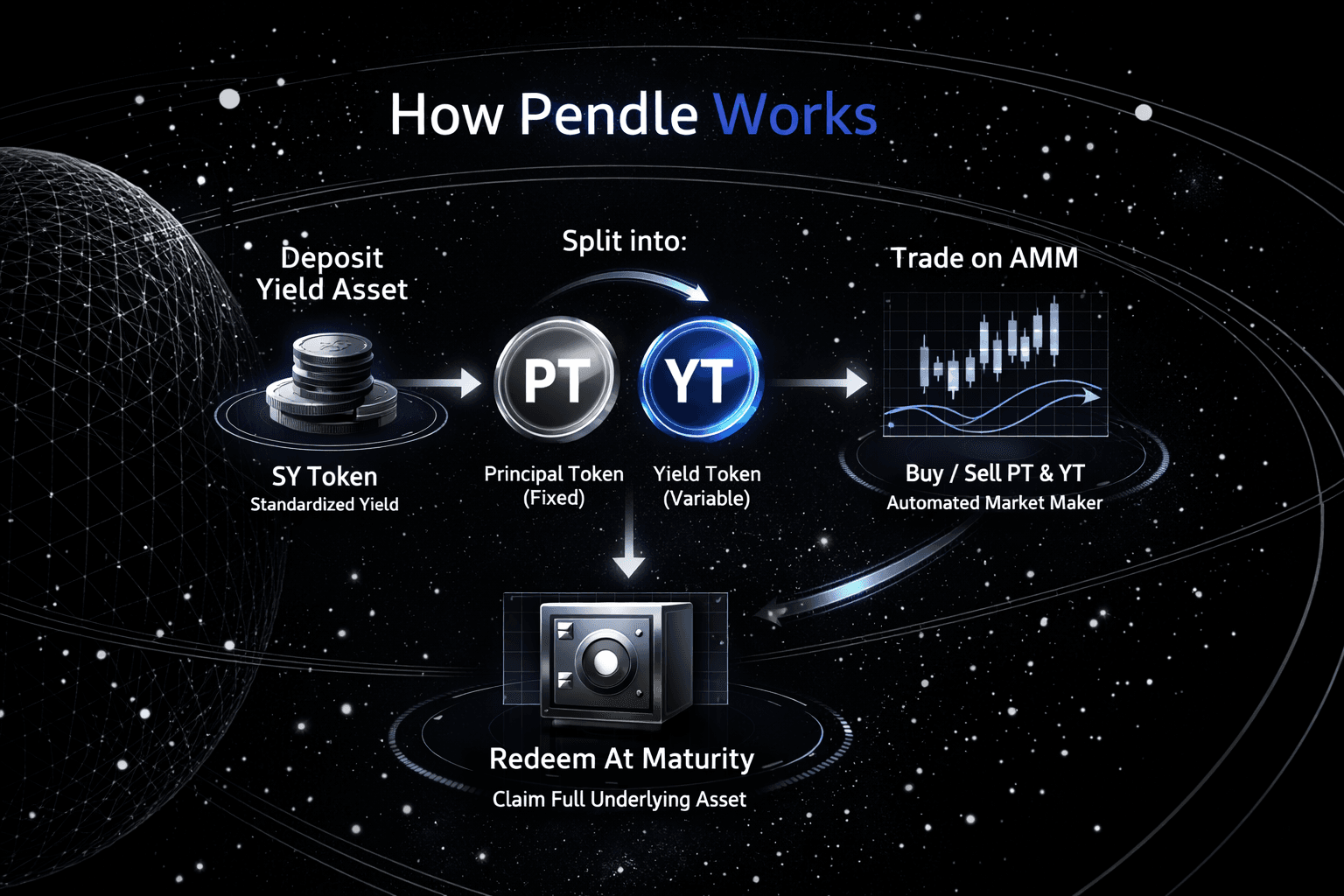
4. Fixed Yields on Pendle: Trade Principal Tokens (PT) or Yield Tokens (YT) for ankrETH/ankrAVAX to lock fixed yields, hedging against rate volatility while capturing staking rewards.
-

5. Cross-Chain Bridging with Rewards: Bridge ankrETH/ankrAVAX via protocols like Stargate or Synapse to other chains (e.g., Arbitrum), accessing rewarded liquidity pools and DeFi opportunities.
Getting Started: Practical LST Deployment
Transitioning to LSTs demands a methodical rollout. Ankr’s user-friendly interface lowers barriers, but optimizing requires steps beyond basic staking.
Master Liquid Staking: Stake ETH/AVAX on Ankr, Unlock DeFi Yields Instantly
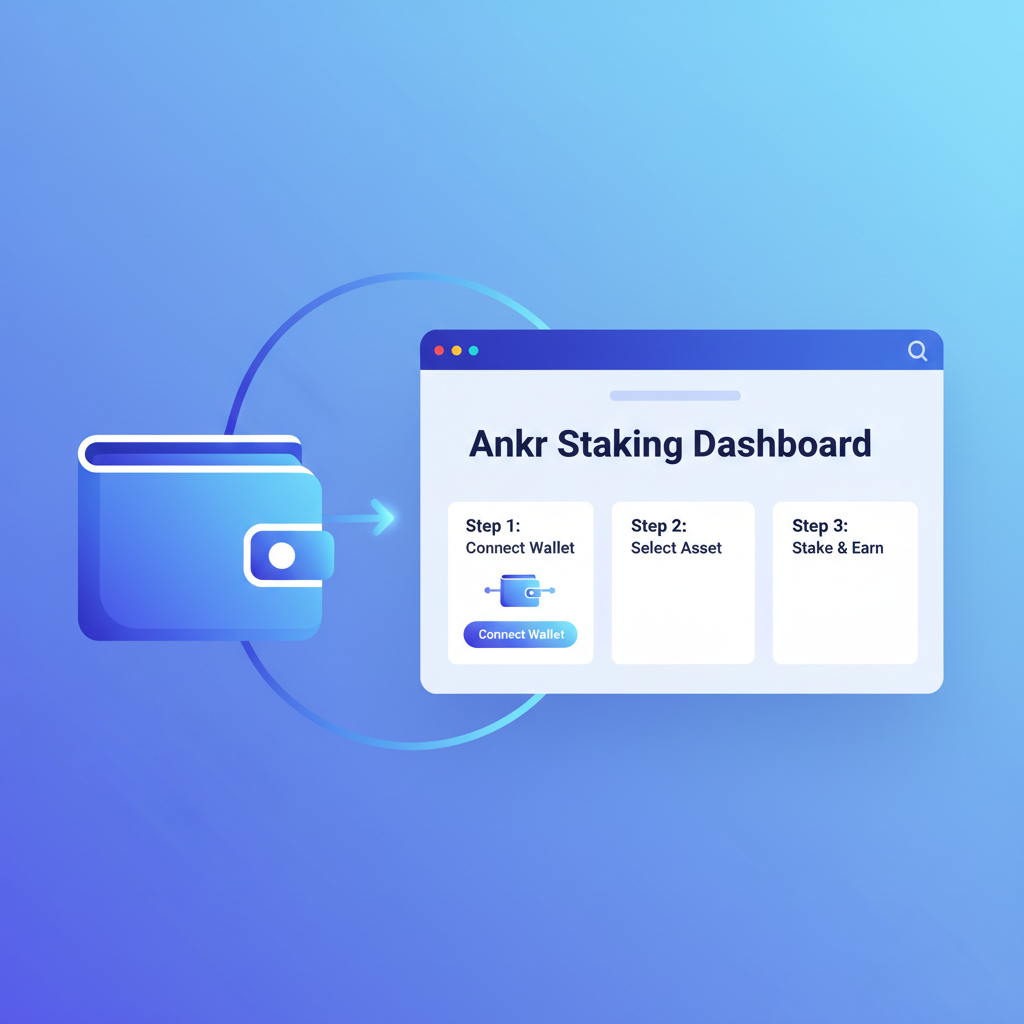
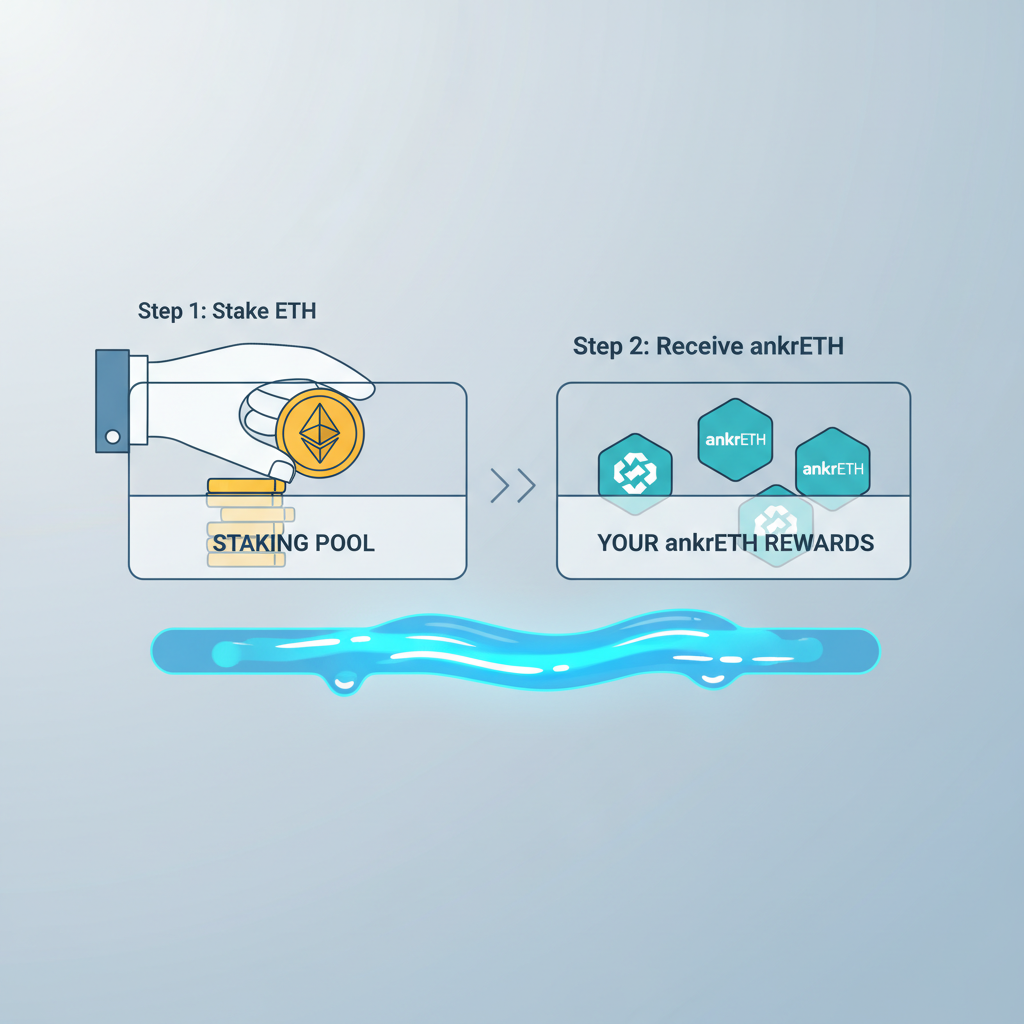
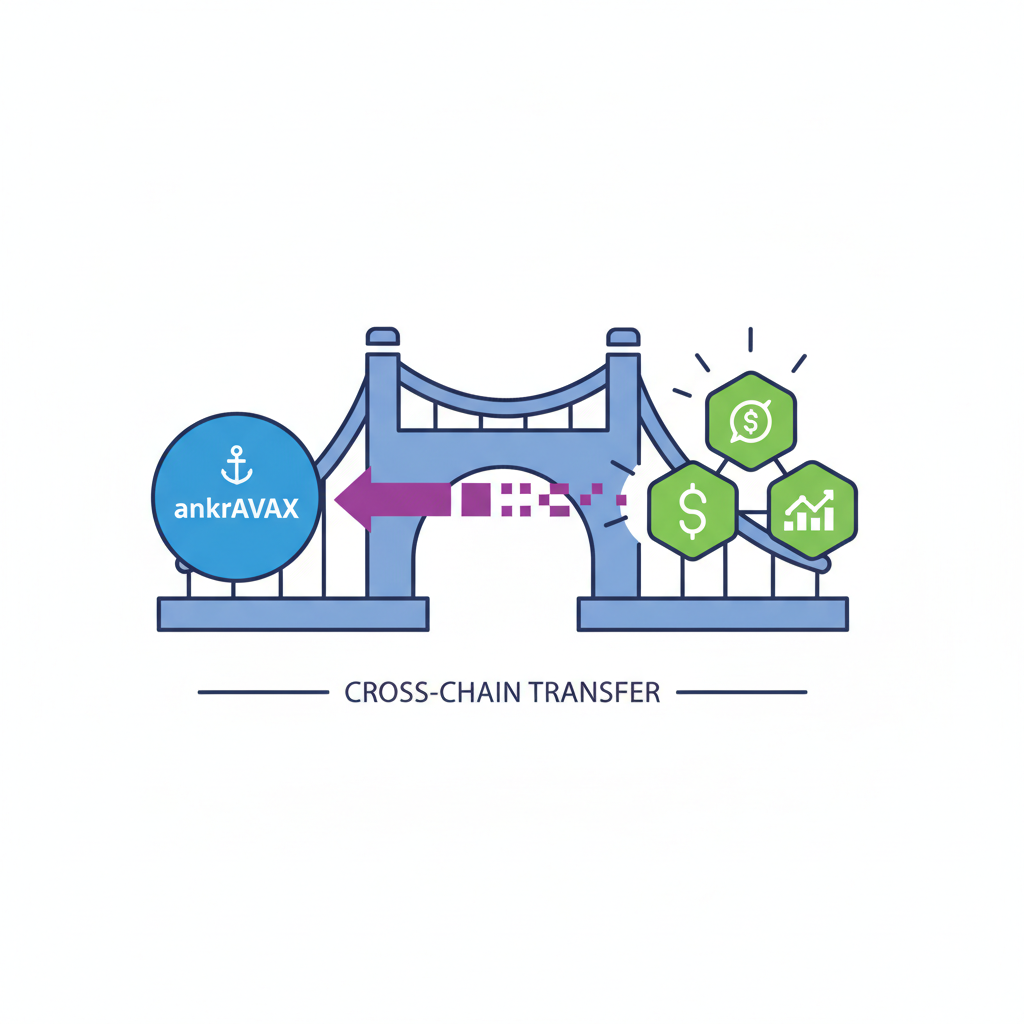
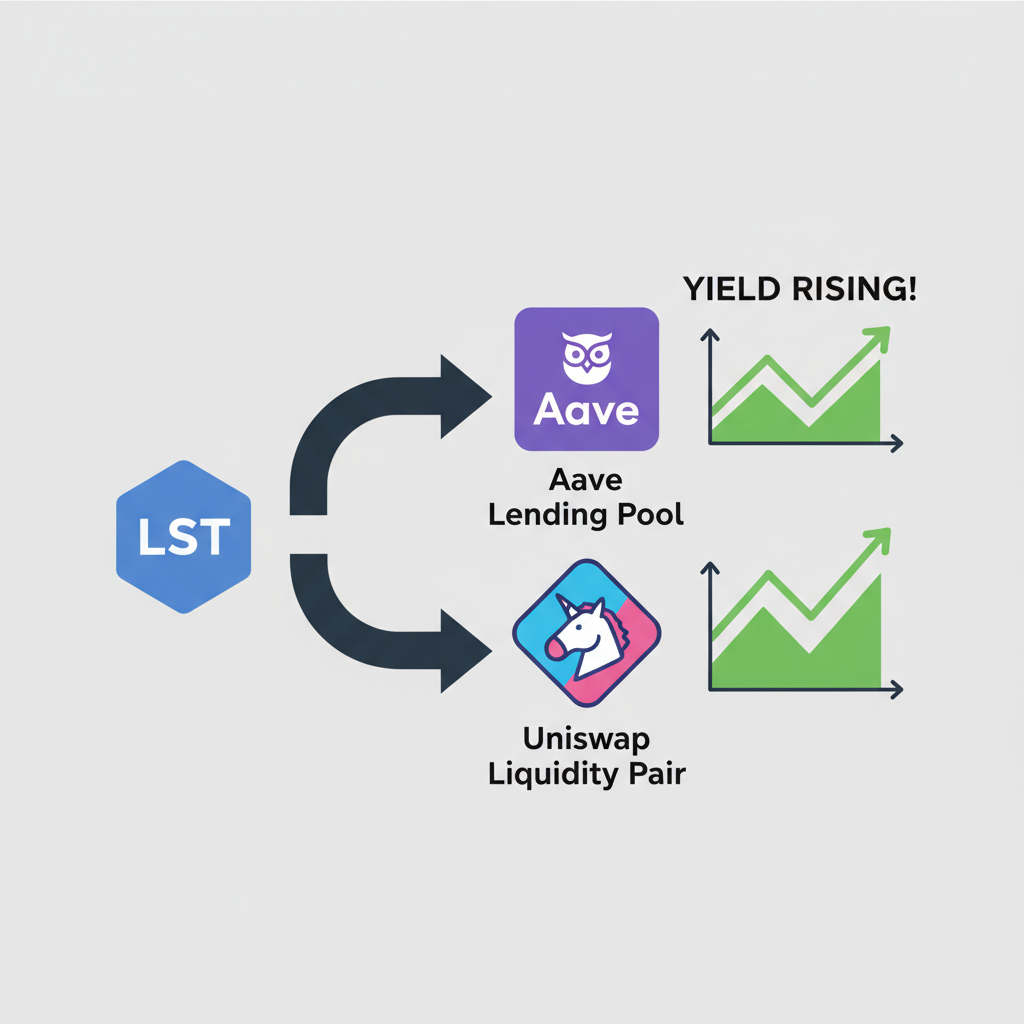
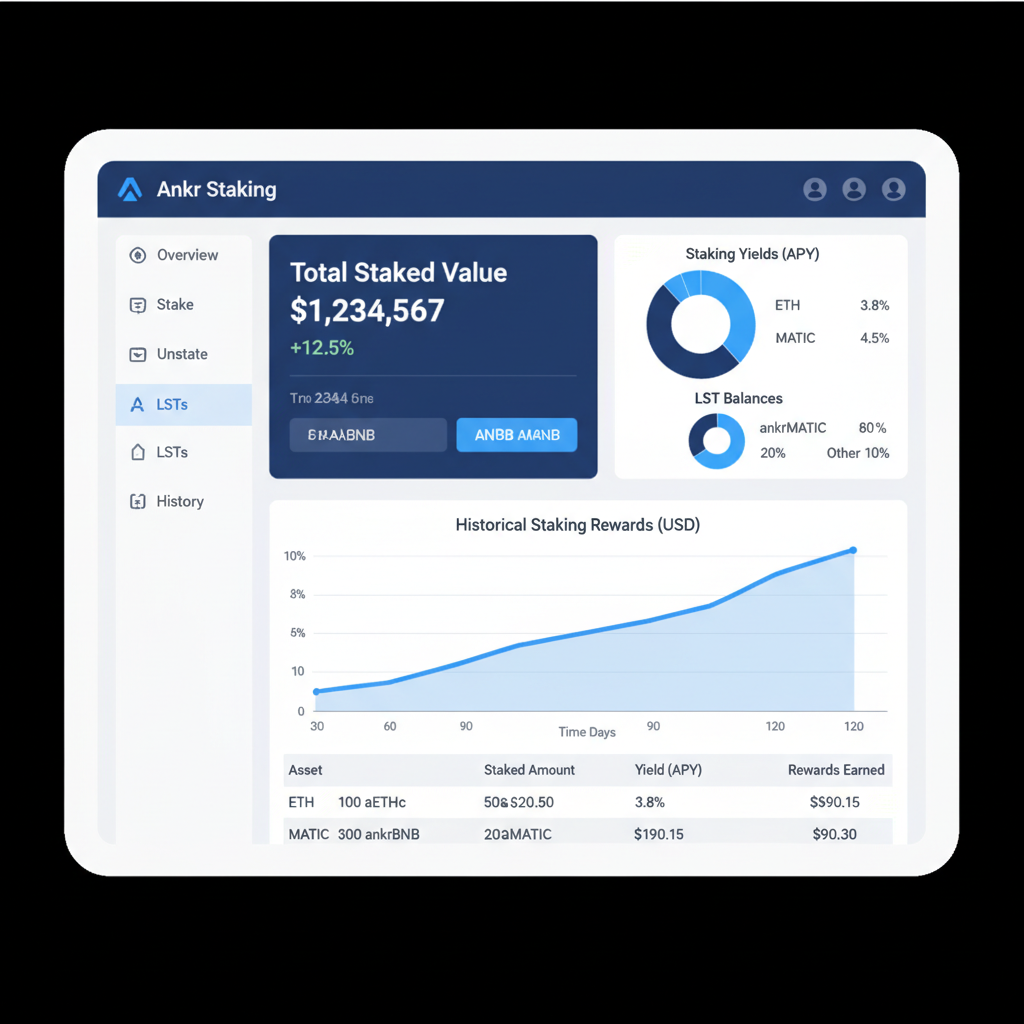
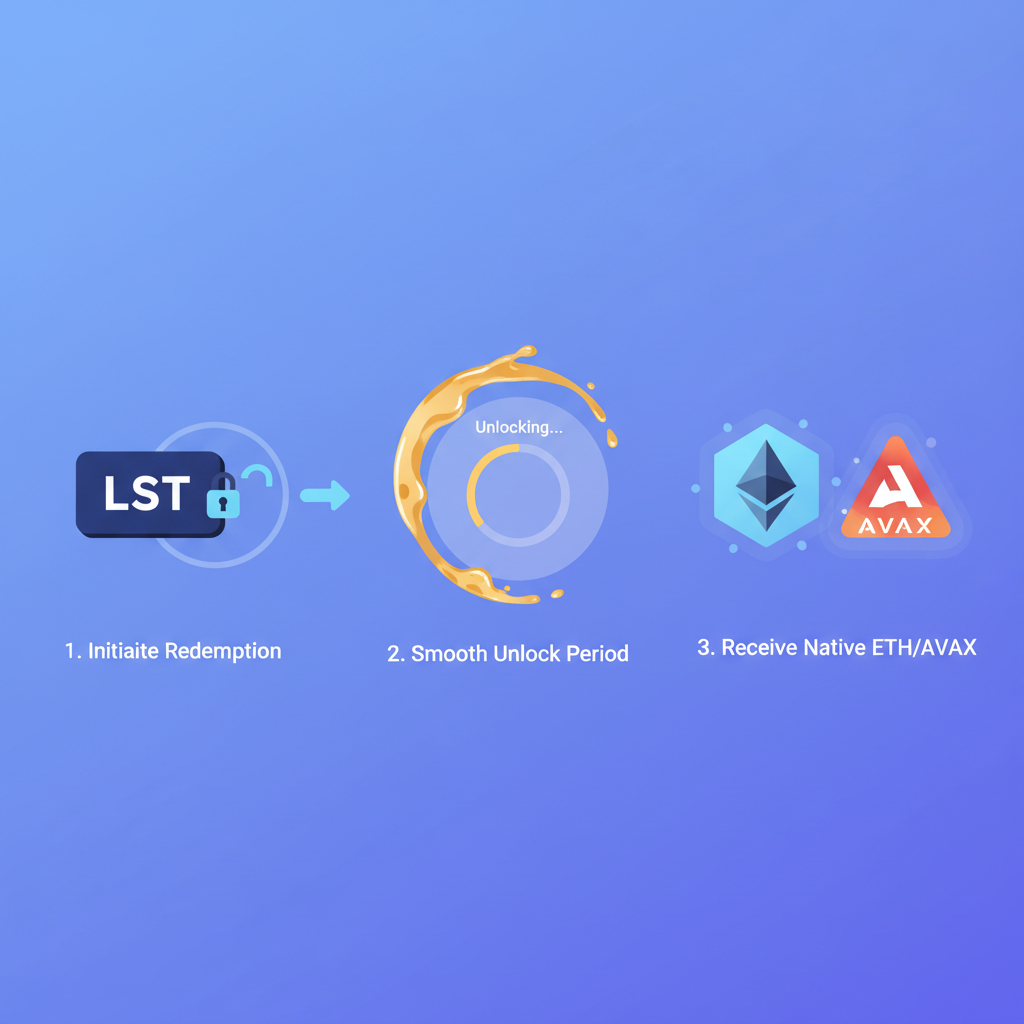
This workflow, drawn from Ankr’s staking docs and community plays, unlocks composability. X posts on LST DeFi maximization echo the call: visit Ankr, layer strategies, compound relentlessly. SolanaFloor-style intermediate tactics adapt well to Avalanche, blending LP with options for buffered returns.
As DeFi matures, LSTs like ankrETH and ankrAVAX anchor capital-efficient growth. Platforms evolve, yields compound, and Ankr’s innovations position holders ahead. With ANKR holding at $0.004718 through minor dips, the ecosystem signals readiness for sustained expansion. Stake smart, stack yields, and let liquidity fuel your edge in this dynamic space.
About the Author