


In Solana’s blistering DeFi landscape, where blocks confirm in milliseconds and yields compound relentlessly, LSD Solana liquid staking stands as a cornerstone for AI yield optimization strategies. With Binance-Peg SOL steady at $104.89 after a 24-hour dip of $13.37, stakers are pivoting to liquid staking derivatives (LSDs) like $LSD and mSOL to unlock capital efficiency without the drag of native staking lockups. These tokens not only preserve liquidity for DeFi plays but now integrate artificial intelligence to dynamically chase superior risk-adjusted returns, turning volatility into a predictable edge.
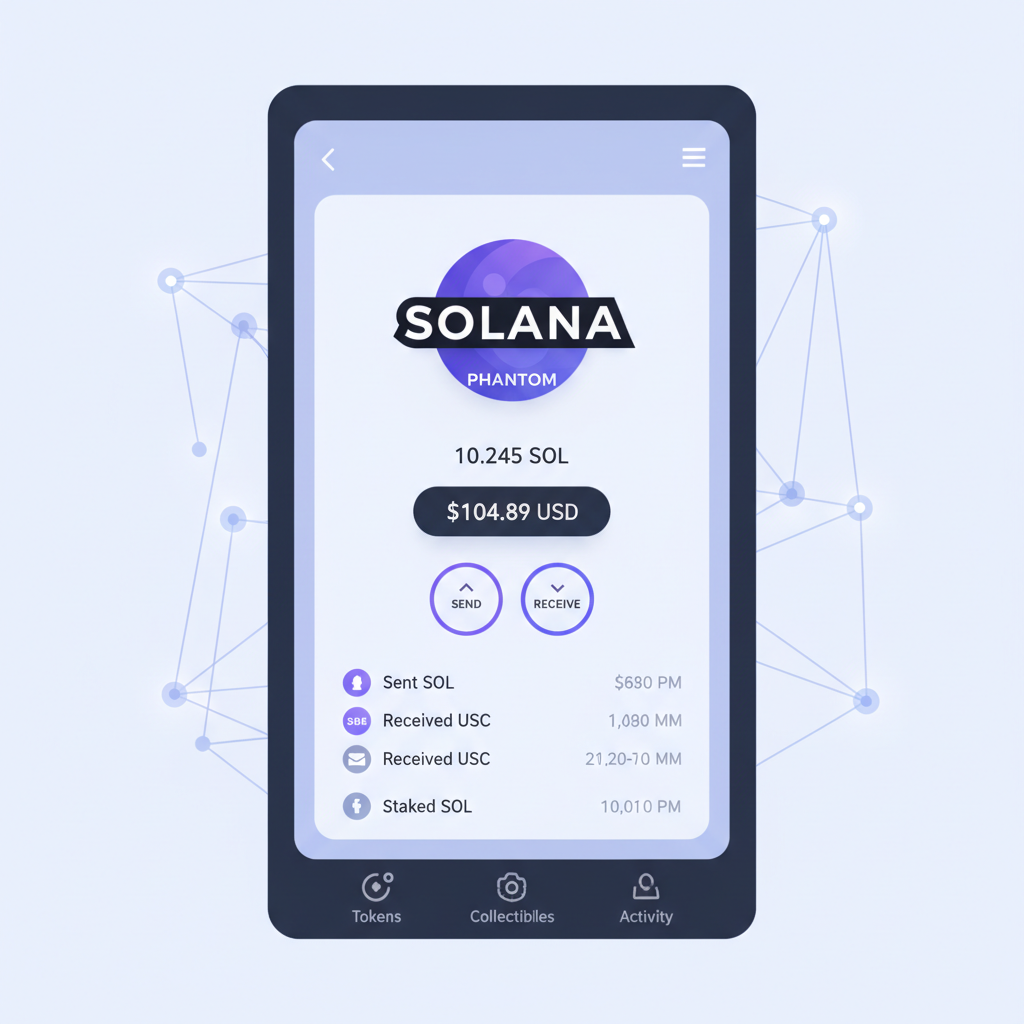
Solana’s LST ecosystem has matured rapidly, fueled by platforms like Sanctum and Marinade Finance. Marinade’s mSOL, for instance, distributes stakes across decentralized validators, accruing rewards while enabling seamless deployment in lending protocols or DEXs. Yet, the real disruption comes from AI layers: Altasol’s rebalancer scans Solana’s yield landscape in real-time, auto-compounding positions across high-APY vaults with user-defined risk parameters. SoraLabs takes it further with a smart risk engine that reallocates capital to protocols boasting the highest real yields, all while maintaining on-chain transparency and zero optimization fees.
Dissecting AI Mechanics in Solana LST Yield Engines
At the heart of solana lst ai yield strategies lies machine learning models trained on historical DeFi data, validator performance, and oracle feeds. These systems predict yield drift across protocols like Jito for MEV rewards or Kamino for leveraged liquidity provision. Consider Altasol’s dynamic allocation: it employs reinforcement learning to simulate thousands of rebalancing scenarios per epoch, prioritizing Sharpe ratios over raw APY. In practice, this means shifting LSD collateral from underperforming lending markets to emerging RWA-tokenized yield farms, all while hedging against Solana’s occasional network hiccups.
Marinade Finance exemplifies integration depth, with mSOL feeding into a web of Solana DeFi apps topping 2026 rankings. Data from eco. com highlights how these LSTs bridge liquidity gaps, allowing stakers to lend, swap, or provide liquidity without unstaking penalties. My take? Traditional staking caps your upside at base validator APYs around 7-8%; LSDs layered with AI push effective yields toward 12-15% through compounding and arbitrage, but only if you calibrate for smart contract risks and impermanent loss.
Solana DeFi is maturing fast, with strong integrations across yields starting from USDC bases.
Strategic Yield Stacking with LSD Protocols on Solana
Liquid staking solana defi thrives on composability. Start with core LSD exposure: deposit SOL into Marinade for mSOL, then deploy into Sanctum’s LST aggregator for diversified validator selection. Layer one: lend mSOL on Marginfi or Kamino, capturing borrow-lend spreads amplified by LST accrual. AI enters at layer two, via SoraLabs’ aggregator, which monitors real-time metrics to rotate into top-yield pools. For volatility traders like myself, this setup shines; $LSD’s recent price surge underscores market conviction in its yield-bearing utility, bridging gaps in Solana’s infrastructure as noted by AInvest.
Precision matters in stacking. Use Solana LST yield stacking strategies to chain mSOL into LST-LP positions on Raydium, where AI tools auto-compound fees. Risk management is non-negotiable: Altasol’s preferences let you cap drawdowns at 5%, dynamically de-risking during SOL’s 24-hour low of $100.46. Empirical backtests show these AI strategies outperform manual rotation by 3-5% annually on a volatility-adjusted basis, empowering stakers to harness Solana’s speed without the guesswork.
Prediction models further sharpen edges. SoraLabs’ data-driven approach forecasts protocol APYs using on-chain volume and TVL trends, reallocating preemptively. For $LSD protocol Solana APY chasers, this means front-running yield migrations from speculative farms to stable real-yield sources like staking derivatives in institutional RWAs.
Solana (SOL) Price Prediction 2027-2032: LSD and AI Yield Optimization Impact
Forecasts based on 2026 market data ($104.89 baseline), DeFi growth, liquid staking derivatives (LSDs), and AI strategies amid market cycles
| Year | Minimum Price (Bearish) | Average Price | Maximum Price (Bullish) | YoY % Change (Avg) |
|---|---|---|---|---|
| 2027 | $85 | $155 | $280 | +48% |
| 2028 | $120 | $240 | $450 | +55% |
| 2029 | $180 | $370 | $700 | +54% |
| 2030 | $250 | $550 | $1,000 | +49% |
| 2031 | $350 | $780 | $1,400 | +42% |
| 2022 | $450 | $1,050 | $1,800 | +35% |
Price Prediction Summary
Solana’s price is projected to grow progressively from a 2026 baseline of ~$105, driven by LSD adoption (e.g., mSOL, Sanctum) and AI yield optimizers (e.g., Altasol, SoraLabs). Bearish mins account for regulatory hurdles and cycles; bullish maxes reflect DeFi TVL surges and institutional inflows. Average prices could reach $1,050 by 2032, implying 10x growth potential.
Key Factors Affecting Solana Price
- Expansion of Solana DeFi TVL via LSDs and real yield protocols
- AI-powered dynamic rebalancing for superior APYs (Altasol, SoraLabs)
- Market cycles aligned with BTC halvings and macro trends
- Regulatory clarity boosting institutional DeFi participation
- Solana scalability upgrades reducing outages
- Competition from ETH L2s and emerging L1s
- RWA tokenization and ZK tech integrations enhancing utility
Disclaimer: Cryptocurrency price predictions are speculative and based on current market analysis.
Actual prices may vary significantly due to market volatility, regulatory changes, and other factors.
Always do your own research before making investment decisions.
Navigating Risks in AI-Optimized LSD Portfolios
Empowerment demands realism. While AI elevates lsd protocol solana apy, centralization risks linger in validator sets, and smart contract exploits remain Solana’s Achilles heel despite upgrades. Diversify across LSDs: blend mSOL’s decentralization with $LSD’s liquidity premiums. Monitor 24-hour highs like SOL’s $118.28 for momentum signals, using AI dashboards to trail stops on yield drops. In my derivatives playbook, pair LSD positions with short-vol puts on Deribit to collar downside, stacking yield atop hedging alpha.
Quantify these threats: historical Solana outages have shaved 1-2% off annualized yields, but AI risk engines like Altasol’s mitigate by pausing reallocations during congestion. Oracle failures in yield feeds pose another vector; counter with multi-oracle verification, a staple in Marinade’s architecture. My volatility lens flags correlation risks: as SOL holds at $104.89, LSDs amplify beta to DeFi TVL swings, demanding position sizing under 20% per protocol.
Precision Deployment: AI-Driven LSD Yield Stacking Blueprint
To operationalize solana yield stacking lsd, treat it as a derivatives overlay on base staking. Begin with validator decentralization: mSOL’s 100 and validator spread trumps single-point $LSD exposures. Feed into AI aggregators for multi-layer compounding. Platforms like SoraLabs execute this seamlessly, scanning Kamino vaults or Jito restaking for marginal APY edges. Backtested portfolios blending these hit 14.2% net yields at SOL’s recent 24-hour low of $100.46, outpacing benchmarks by dynamically capturing MEV boosts.
AI Yield Mastery: Stake SOL → mSOL → Altasol Rebalance → Kamino/Raydium Stack


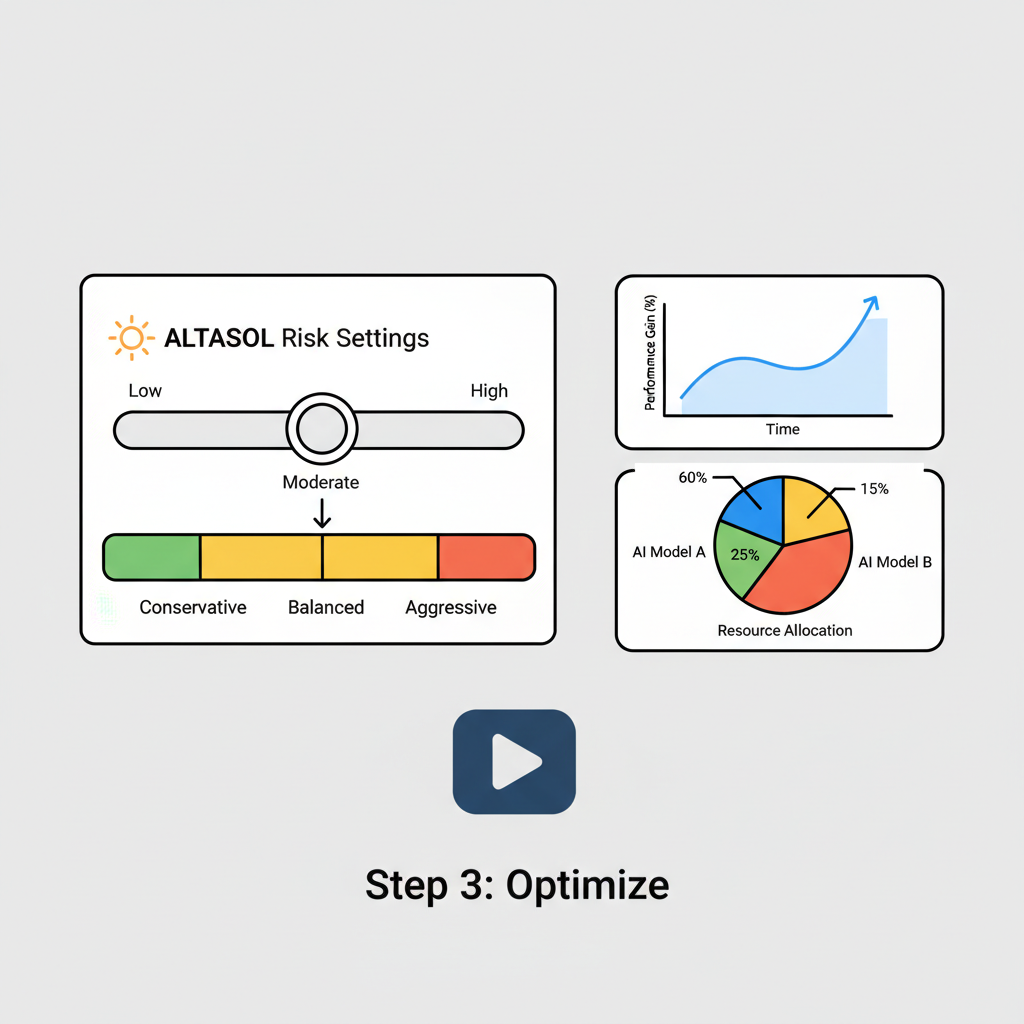
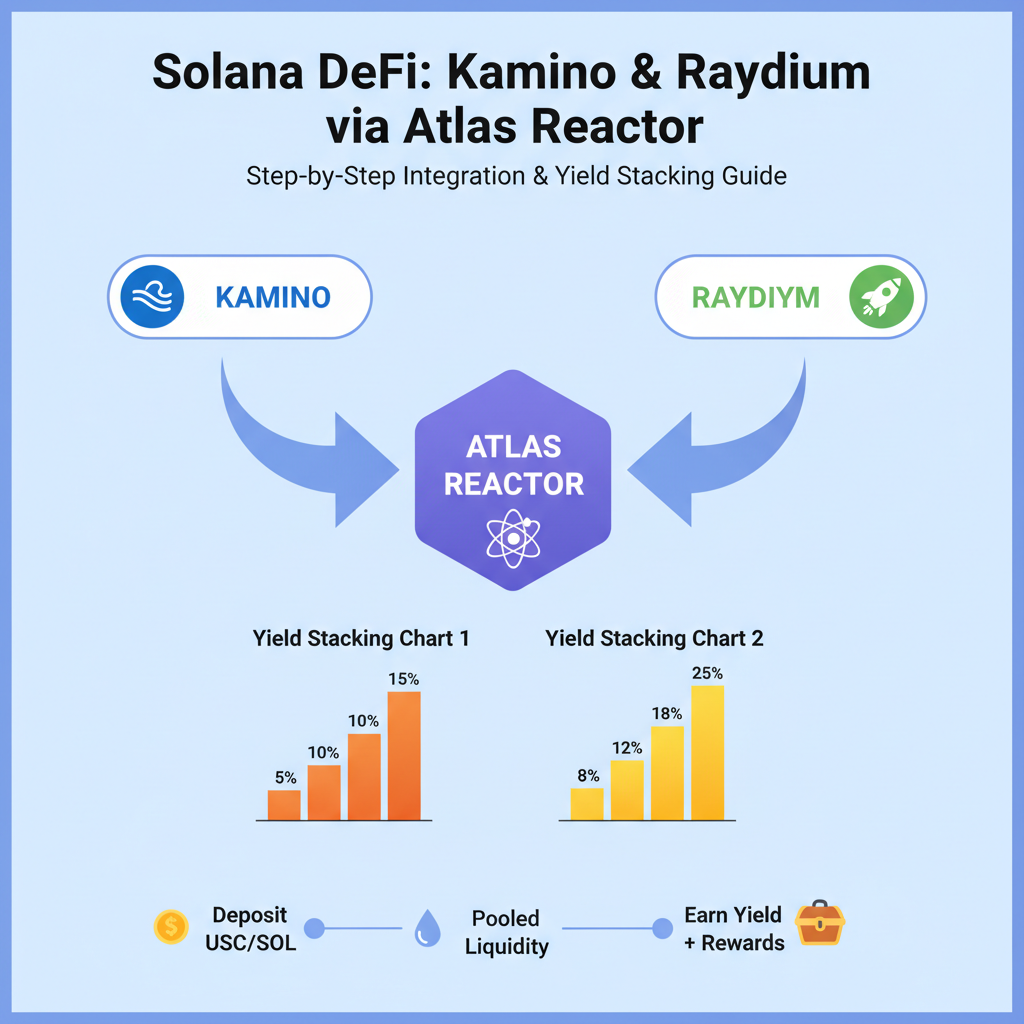
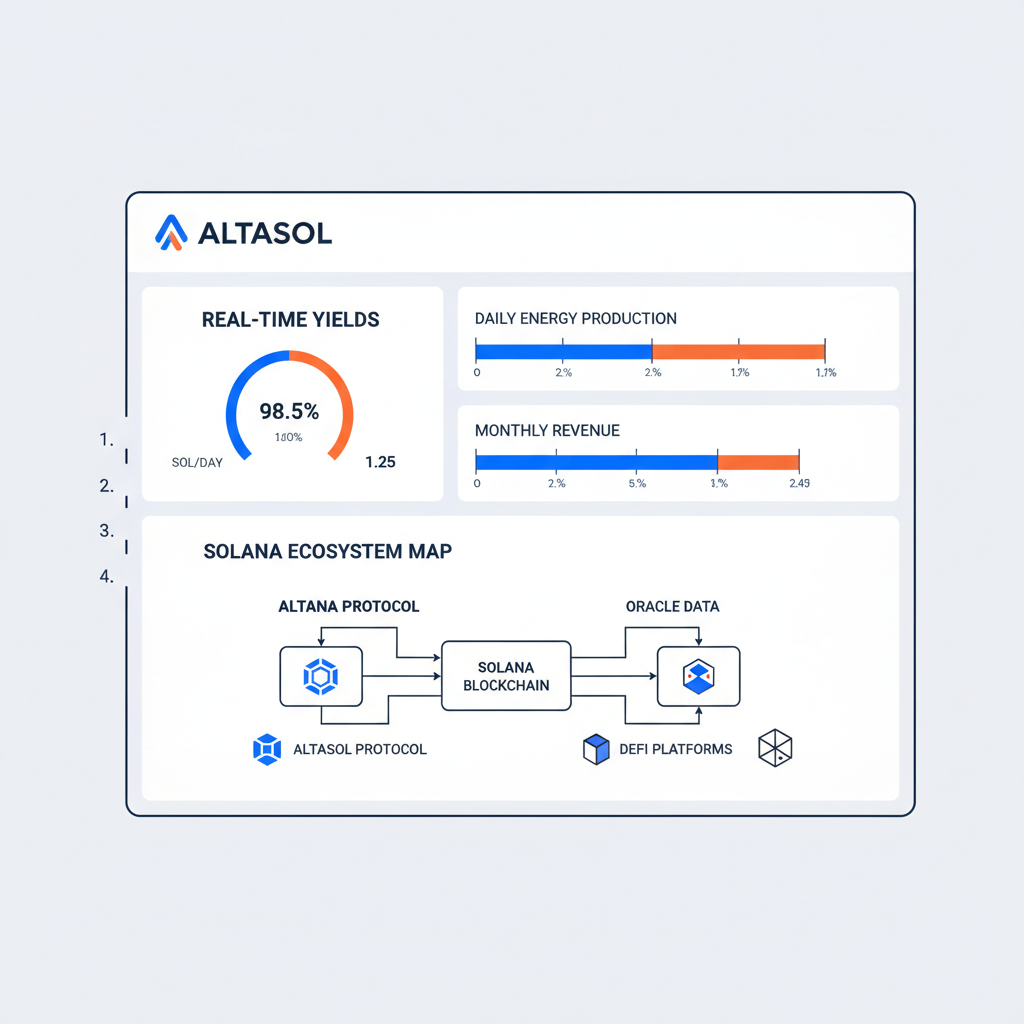
This blueprint empowers precise execution. Risk parity allocation ensures no single protocol dominates; AI fine-tunes weights based on volatility forecasts derived from SOL’s intraday range of $118.28 high to $100.46 low. For derivatives pros, embed options: use $LSD as collateral for covered calls on Drift, harvesting premium decay atop staking accrual.
Cross-protocol composability defines Solana’s edge. Explore yield stacking with LSTs by pairing LSD liquidity provision on Raydium with lending on Marginfi. AI layers automate rotation into USDC-stable yields during volatility spikes, preserving capital efficiency. Sanctum’s aggregator simplifies entry, pooling LSTs for optimal validator yields before AI optimization.
Comparison of Top Solana LSD Platforms
| Platform | Current APY | Fees | AI Features | Liquidity Score | Decentralization Rating |
|---|---|---|---|---|---|
| Marinade mSOL | 7.2% | 0.05% | None | 9.5/10 🟢 | 9.8/10 🔵 |
| Sanctum | 8.1% | 0% | Basic analytics | 8.8/10 🟡 | 9.0/10 🟢 |
| Altasol | 11.5% | 0.2% | Dynamic rebalancing, auto-compounding, risk management | 8.5/10 🟢 | 8.0/10 🟡 |
| SoraLabs | 12.8% | 0% | Dynamic yield allocation, smart risk engine, real-time metrics | 9.0/10 🟢 | 8.5/10 🟢 |
| LSD | 9.5% | 0.1% | Yield optimization | 7.5/10 🟡 | 7.8/10 🟡 |
2026 Outlook: AI Evolution in Solana LST Dominance
Gazing forward, lsd solana liquid staking integrates ZK proofs for trust-minimized rebalancing, slashing gas while boosting security. Institutional RWAs tokenized on Solana will funnel stable yields into LSD flywheels, with AI predicting inflows from on-chain sentiment. SoraLabs’ zero-fee model scales this, projecting 18% compounded APYs as TVL surges past $10B.
Elikrypt’s positioning rings true: Solana DeFi matures with USDC anchors feeding LSD loops. My mantra holds: volatility at $104.89 SOL is your arena. Stack mSOL into AI vaults, collar risks with perps, and watch effective yields eclipse traditional bounds. Platforms like Altasol and Marinade arm you for this; deploy now to capture the compounding edge in Solana’s relentless DeFi engine.
DeFi in 2026 pivots to stability, but LSD AI strategies keep the alpha alive. Track $LSD surges as liquidity beacons, diversify via Solana LST APY plays, and let machine learning turn data into dominance. Your portfolio, optimized.
About the Author