


Polygon’s liquid staking ecosystem has evolved fast in 2025, with new tokens and protocols opening up fresh yield opportunities for DeFi users. The end of Lido Finance’s Polygon support in June 2025 marked a major shift, but the network bounced back by rolling out native solutions like $stPOL and welcoming providers such as Ankr. If you’re serious about stacking yield on Polygon, it’s time to get tactical with these new tools. Here’s how to maximize your returns with liquid staking tokens (LSTs) on Polygon this year.


Polygon’s Liquid Staking Landscape in 2025: What Changed?
Let’s get straight to the point: Lido is out, and a new era has begun. As of November 2025, Lido Finance has officially discontinued liquid staking for MATIC due to limited adoption and shifting DeFi dynamics. If you haven’t already withdrawn your staked MATIC from Lido by June 16,2025, you’re out of luck.
The vacuum left by Lido was quickly filled by Polygon itself, launching $stPOL: a native liquid staking token for $POL (Polygon’s upgraded token), backed by Chainlink infrastructure. For early adopters, this is a golden window – enhanced rewards are being offered to bootstrap liquidity, especially as Polygon pushes into Latin America with $1.17 billion in adoption volume.
But that’s not all. Ankr has stepped up with ankrPOL, another reward-bearing LST that lets you stake POL and remain liquid for DeFi strategies. The competition between native and third-party providers means higher APYs and more flexibility for users who know how to play the game.
Step-by-Step: How to Maximize Yield with Polygon LSTs
If you want real results, you need a plan that goes beyond just staking-and-chilling. Here’s how to hit the ground running:
Maximize Yield with POL Liquid Staking Tokens on Polygon: Step-by-Step Guide (2025)


- Choose Your Provider Wisely: Evaluate $stPOL (native) versus ankrPOL (Ankr). Look at current APYs, platform reputation, smart contract audits, and integration options across DeFi protocols.
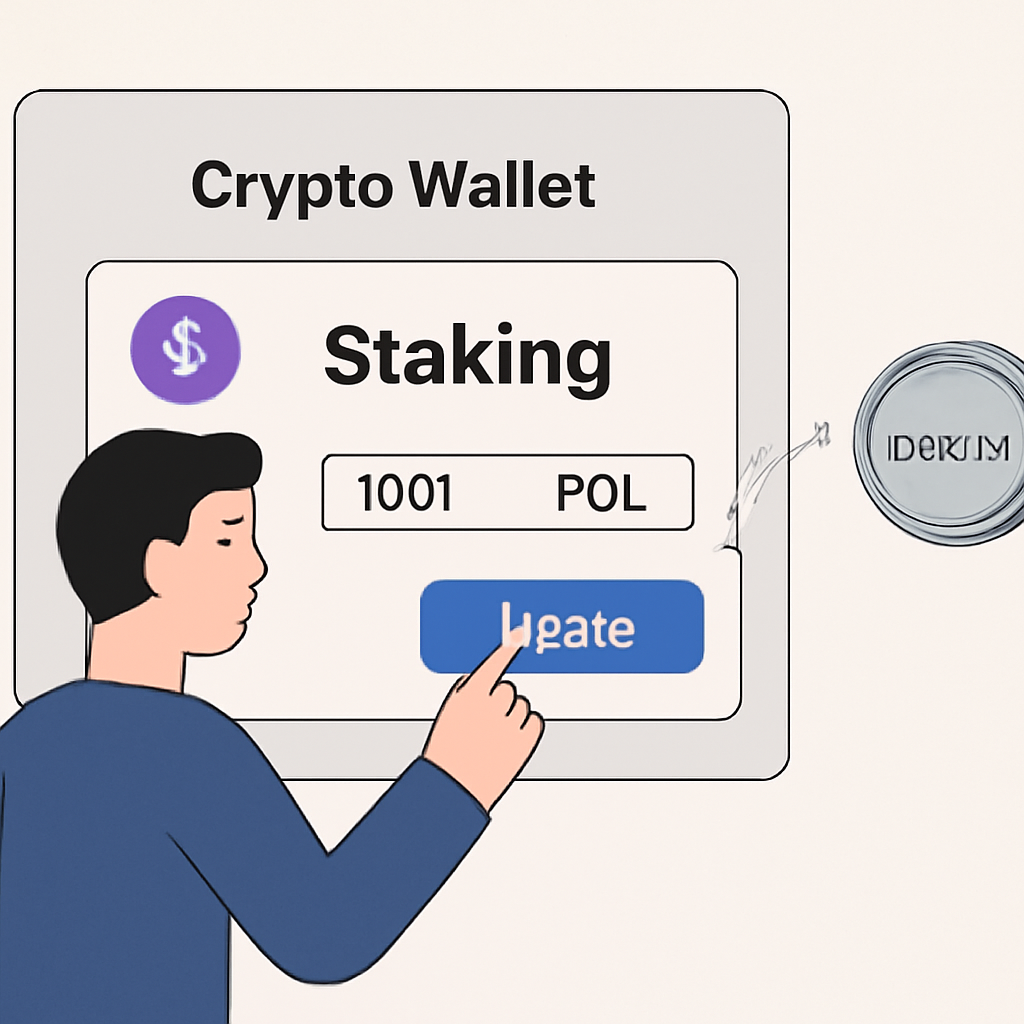
- Stake Your POL: Follow the instructions on your chosen platform (Polygon or Ankr) to stake your POL tokens. You’ll receive either $stPOL or ankrPOL instantly, these are your keys to yield stacking.
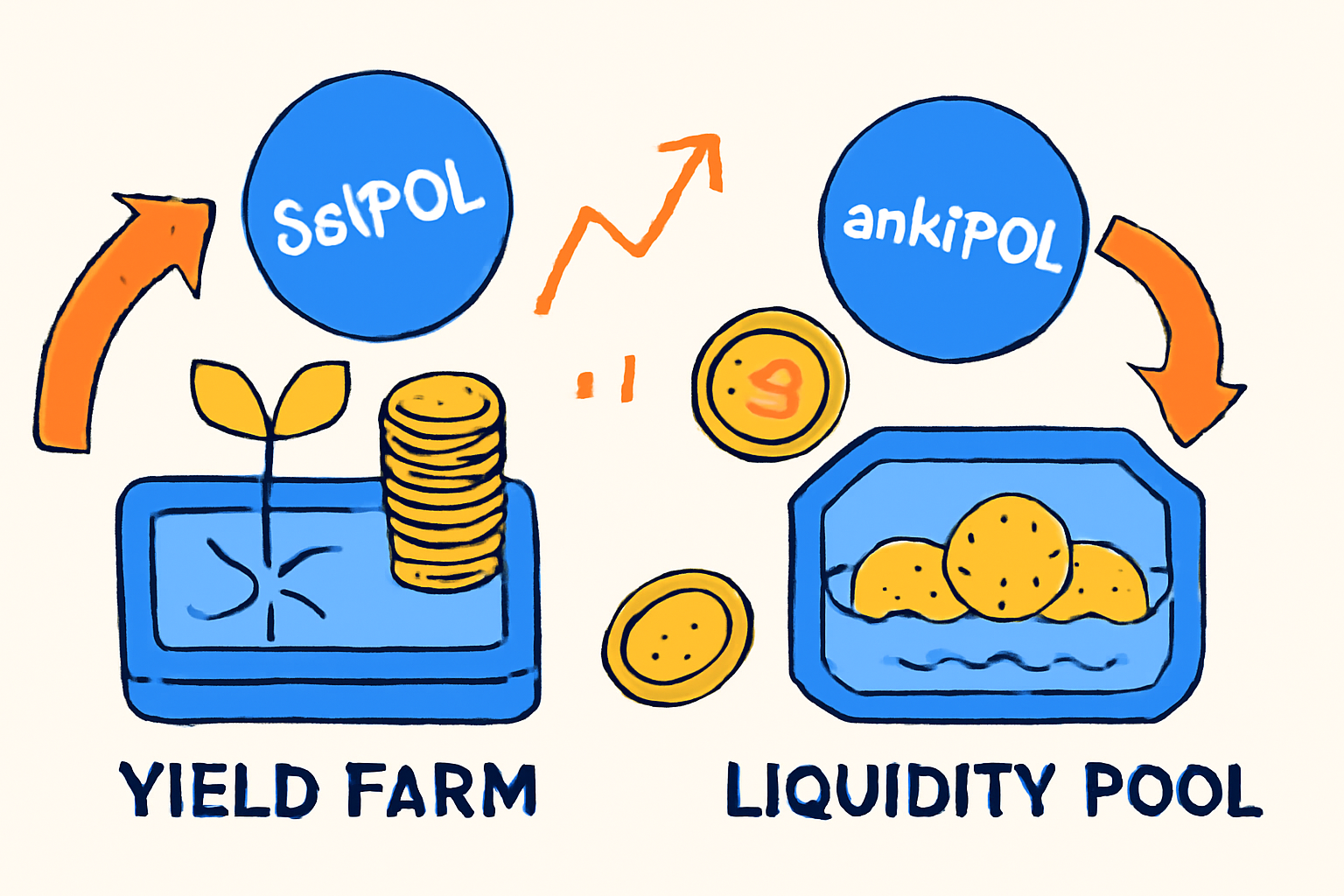
- Deploy Your LSTs: Don’t just hold your LSTs! Plug them into DeFi protocols for extra rewards: liquidity mining pools, lending markets, or vaults designed for LST utility.
- Monitor Performance: Track APY changes regularly. With more competition among providers in 2025, yields can shift quickly, so move fast when better opportunities arise.
If you’re looking for deeper technical breakdowns or advanced multi-protocol strategies, check out our detailed guides on yield stacking with LSTs across multiple DeFi protocols.
LST Yield Strategies: Beyond Simple Staking
The true power of liquid staking tokens lies in their composability within DeFi. Once you’ve got $stPOL or ankrPOL in your wallet, here are some actionable ways to push your yield higher:
- LST Liquidity Mining: Provide liquidity using your LSTs on major DEXes like Quickswap or Uniswap v3 (Polygon), earning swap fees plus bonus incentives from protocol partners.
- Lending and Borrowing: Supply staked assets as collateral on lending platforms such as Aave or QiDao, borrow stablecoins against them without missing out on staking rewards.
- Airdrop Eligibility: Many new protocols reward early liquidity providers and stakers with exclusive airdrops, don’t sleep on these hidden bonuses!
The key is agility: yields rotate fast as incentives shift between protocols. Keep one eye on APY dashboards and another on Twitter alpha drops from project teams.
Another critical point for 2025: Polygon’s LST ecosystem is now a battleground for rapid innovation. Native protocols and third-party platforms are racing to attract your liquidity, so it pays to stay sharp and nimble. If you’re not actively moving your $stPOL or ankrPOL into new DeFi opportunities, you’re leaving serious money on the table.
Risk Management: Stay Safe While Chasing Yield
Yield isn’t free money. Every DeFi move carries risk, smart contract exploits, depegs, protocol insolvency, or sudden APY drops. Here’s how to stack yield without getting rekt:
- Diversify Across Protocols: Don’t put all your LSTs in one pool. Split between $stPOL and ankrPOL, and use multiple lending/LP venues.
- Audit the Audits: Only trust platforms with recent, reputable smart contract audits. Polygon’s native $stPOL leverages Chainlink security, take advantage of that peace of mind.
- Track Real-Time APYs: Use dashboards that update yields live. If a vault’s APY tanks or incentives rotate elsewhere, move quickly.
- Watch for Protocol Updates: Polygon’s DeFi scene moves fast, new vaults or reward campaigns can appear overnight. Follow official channels and trusted analysts for alpha leaks.
If you want a deeper risk-vs-reward breakdown, see our advanced analysis on maximizing yield with LSTs in DeFi: strategies, risks and real returns.
Pro Tips: Unlocking Extra Yield and Airdrop Potential
The savviest users go beyond basic staking and liquidity mining, they hunt for emerging protocols offering bonus incentives or airdrop eligibility for early adopters using LSTs. In late 2025, several Polygon-native yield optimizers have hinted at rewarding stakers of $stPOL and ankrPOL with governance tokens or partner project drops.
- Bridge and Stack: Some protocols require bridging LSTs to specific sidechains or rollups on Polygon for special rewards, don’t be afraid to experiment if the risk/reward checks out.
- Airdrop Tracking: Stay plugged into community trackers and Twitter threads focused on “DeFi airdrop eligibility Polygon” for the latest news.
- Automate Where Possible: Use DeFi aggregators that auto-compound yield from multiple sources with your LSTs, set it and let the protocol work while you monitor results.
The Bottom Line: Speed Wins in Yield Stacking
The rules have changed on Polygon. With Lido gone, new native solutions like $stPOL (backed by Chainlink) and third-party options like ankrPOL are leading the charge, and competition means better rates if you act fast. The most successful yield stackers in 2025 are those who combine disciplined risk management with tactical agility across protocols.
If you’re hungry for more actionable strategies specific to liquid staking tokens on Polygon, or want to see how these play out across other chains, explore our guides on how liquid staking tokens enable sustainable yield stacking in DeFi.
About the Author