

In the dynamic Ethereum ecosystem of 2026, where ETH trades at $2,074.41, sophisticated investors are turning to LSDfi yield stacking to capture APYs between 10% and 30%. LSDfi, or Liquid Staking Derivatives Finance, fuses the liquidity of liquid staking tokens (LSTs) with DeFi protocols, enabling users to stake ETH once and deploy it across multiple yield sources. Protocols like Ether. fi, Puffer Finance, and KelpDAO issue liquid restaking tokens (LRTs) such as eETH, pufETH, and rsETH, which compound rewards from Ethereum staking and EigenLayer restaking. This approach transforms idle ETH into a productive asset without sacrificing composability in DeFi.
With Ethereum's proof-of-stake network maturing, these LRTs serve as gateways to layered yields. Holding them passively yields base staking plus restaking rewards, but true alpha emerges from stacking: lending, fixed-yield instruments, and delta-neutral positions. Recent market data underscores the momentum; Puffer Finance's pufETH has surged in popularity, ranking among top providers, while collaborations like Ether. fi, Renzo, and Swell highlight ecosystem synergies.
Decoding eETH, pufETH, and rsETH in LSDfi
Liquid staking derivatives (LSDs) like stETH or rETH paved the way, but LRTs elevate the game by restaking LSTs on EigenLayer to secure Actively Validated Services (AVSs). Ether. fi's eETH offers seamless entry, delivering around 2.56% base APY from dual rewards. Puffer's pufETH emphasizes modular security with smooth staking, boasting higher yields near 6% amid rapid deposit growth to $135 million in a day. KelpDAO's rsETH automates restaking via vaults, optimizing AVS rewards for hands-off 18-22% targets.
LSDFi integrates liquid staking derivatives with DeFi, unlocking pre-yield strategies on LSTs.
These tokens maintain peg to ETH, tradable on DEXs, and integrable into lending markets or liquidity pools. Yet, precision matters: de-pegging risks during volatility, smart contract exploits, and slashing penalties demand vigilant risk assessment. In 2026's maturing DeFi, diversification across eETH, pufETH, and rsETH mitigates single-protocol exposure.
Strategy 1: eETH Restaking via Renzo (rsETH) and Aave Lending for 15-25% APY
The cornerstone of eETH yield stacking begins with Ether. fi: stake ETH to mint eETH, then deposit into Renzo protocol for rsETH exposure. This hybrid leverages Ether. fi's liquid restaking with Renzo's infrastructure, compounding staking, restaking, and points incentives. Projected base yield: 8-12% from dual layers.
Next, supply rsETH as collateral on Aave, Ethereum's premier lending market. Borrow stablecoins like USDC at low rates (around 4%), then redeploy into high-yield pools or lend them out for 8-12% returns. Net effect: leverage amplifies to 15-25% APY, with LTV ratios under 70% to buffer liquidation risks. For a $10,000 position at ETH's $2,074.41 price, expect $1,500-$2,500 annual yield, minus gas fees.
- Stake ETH on Ether. fi → Receive eETH.
- Restake eETH on Renzo → Mint rsETH.
- Deposit rsETH on Aave → Borrow USDC → Loop into yield farms.
This strategy shines in bull markets, where LST premiums boost collateral value. Monitor Aave health factors closely; a 10% ETH drawdown could trigger margin calls if overleveraged. Historical data from 2025 shows similar stacks outperforming vanilla holding by 2x.
Ethereum (ETH) Price Prediction 2027-2032
Projections in the Context of LSDfi Yield Stacking Strategies (eETH, pufETH, rsETH) Offering 10-30% APY
| Year | Minimum Price | Average Price | Maximum Price | YoY Growth (Avg) |
|---|---|---|---|---|
| 2027 | $1,800 | $3,200 | $5,500 | +54% |
| 2028 | $2,500 | $4,800 | $8,000 | +50% |
| 2029 | $3,500 | $7,000 | $11,000 | +46% |
| 2030 | $5,000 | $10,000 | $16,000 | +43% |
| 2031 | $7,000 | $14,000 | $22,000 | +40% |
| 2032 | $9,000 | $19,000 | $28,000 | +36% |
Price Prediction Summary
Ethereum's price is projected to grow substantially from 2027-2032, driven by LSDfi innovations and restaking yields of 10-30% APY. Average prices may rise from $3,200 to $19,000, reflecting bullish adoption trends tempered by market cycles and risks like depegging and regulation.
Key Factors Affecting Ethereum Price
- Widespread adoption of LRTs (eETH, pufETH, rsETH) and yield stacking in DeFi
- Ethereum scalability upgrades and L2 ecosystem expansion
- Institutional inflows via staking ETFs and custody solutions
- Regulatory developments favoring DeFi and liquid staking
- Market cycles with potential bull peaks in 2028 and 2032
- Competition from alternative L1s and smart contract risks
- Macroeconomic factors and ETH supply dynamics post-upgrades
Disclaimer: Cryptocurrency price predictions are speculative and based on current market analysis. Actual prices may vary significantly due to market volatility, regulatory changes, and other factors. Always do your own research before making investment decisions.
Strategy 2: pufETH Modular Restaking and Pendle PT Fixed Yield for 18-28% APY
PufETH from Puffer Finance stands out for its modular design, prioritizing validator security and innovative staking. Start by staking ETH to get pufETH, earning 6% and from restaking. Puffer's rapid ascent to fifth-largest provider signals strong liquidity.
Enhance with Pendle's Principal Tokens (PT): acquire PT-pufETH, which locks in fixed yields by selling future rewards at a discount. Current PT yields trade at 12-18% fixed, capturing the spread between spot APY and discounted future value. Combine with pufETH's modular restaking for total 18-28% APY, ideal for yield curve optimists betting on sustained Ethereum rewards.
Risks tilt toward opportunity cost if spot yields spike, eroding PT discounts. Yet, in a range-bound ETH at $2,074.41, this delta-neutral flavor provides stability. Deploy via Pendle's app: buy PT-pufETH, hold to maturity for principal plus yield. Advanced users layer with Balancer pools for liquidity mining boosts.
Read more on maximizing yield stacking with liquid staking tokens.
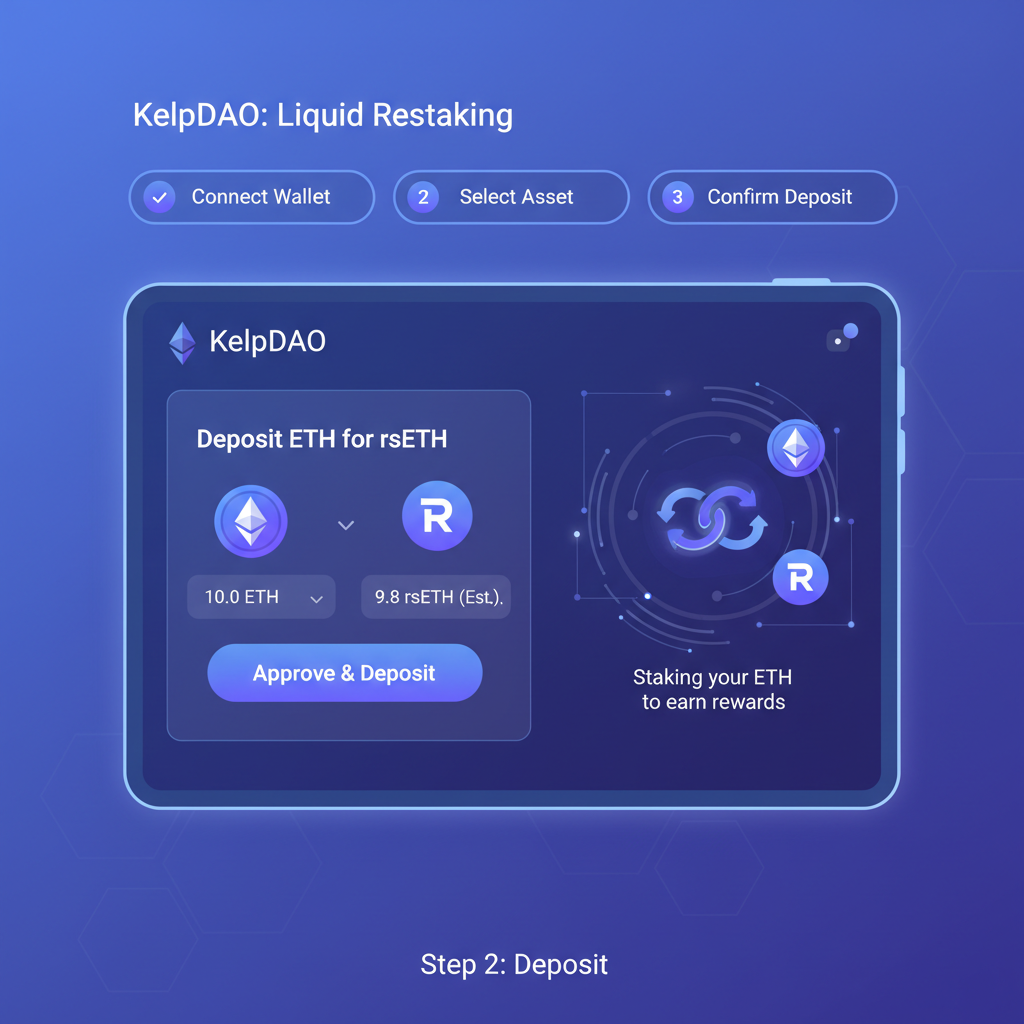
KelpDAO's rsETH caps this trio with a delta-neutral approach, neutralizing ETH price volatility through paired positions. Stake ETH for rsETH, which automates AVS allocations across EigenLayer for optimized restaking yields around 18-22%. This vault-driven token minimizes manual rebalancing, appealing to passive investors chasing consistency.
Strategy 3: rsETH Delta-Neutral Strategy with Pendle and Spark Lend for 12-22% APY
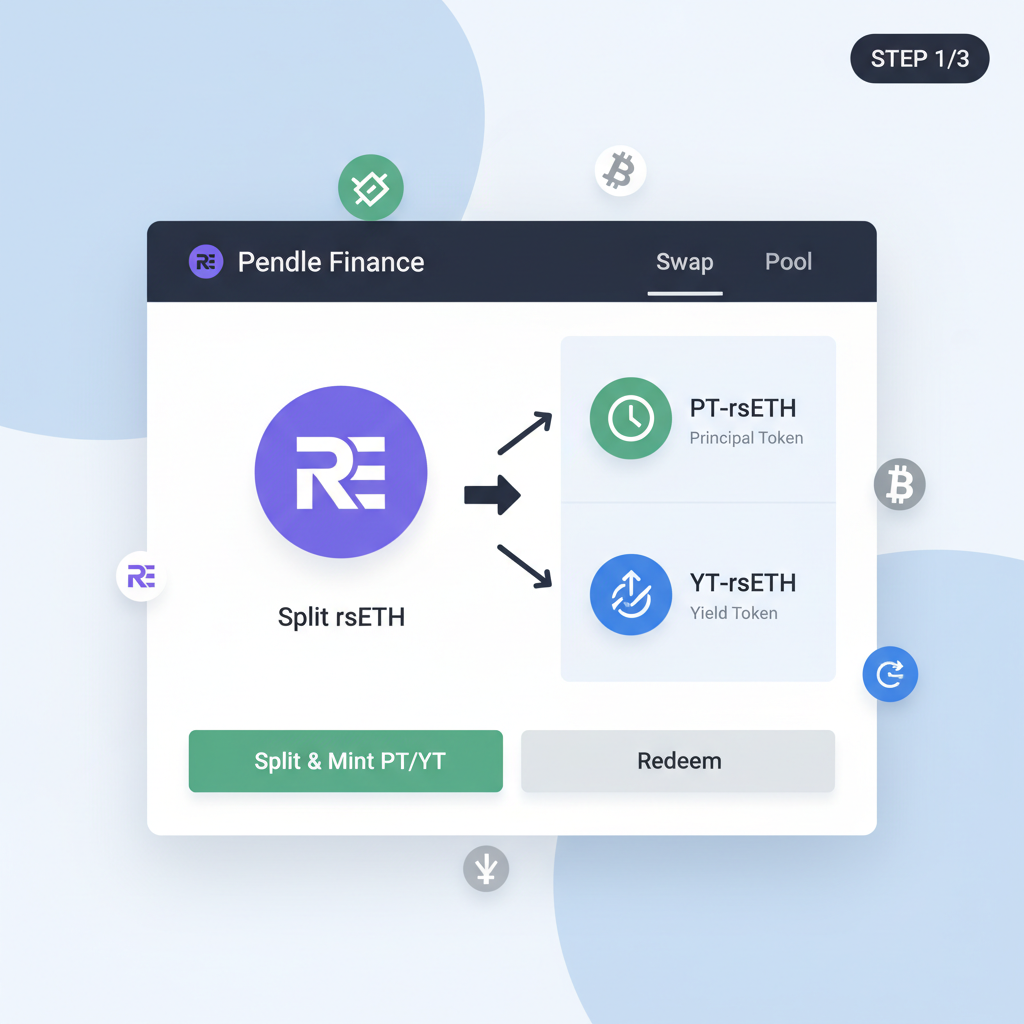
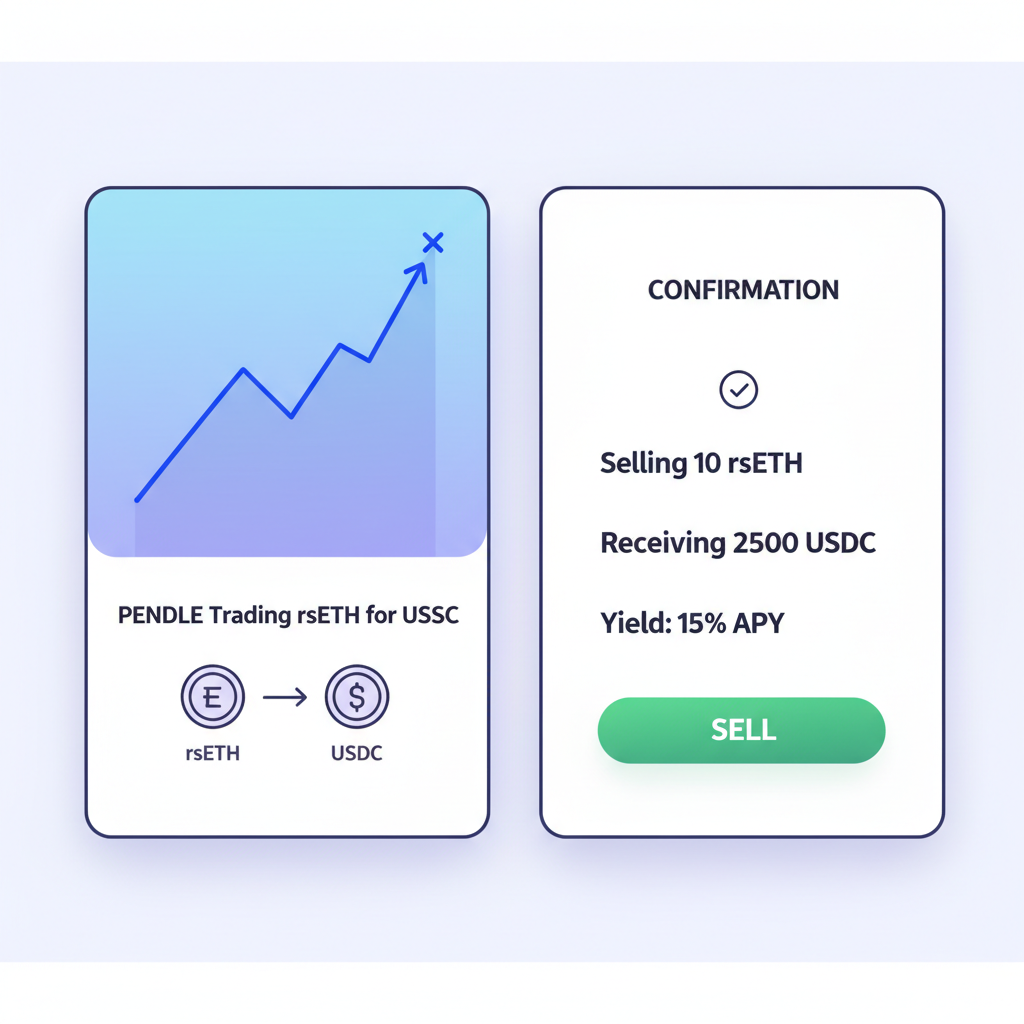
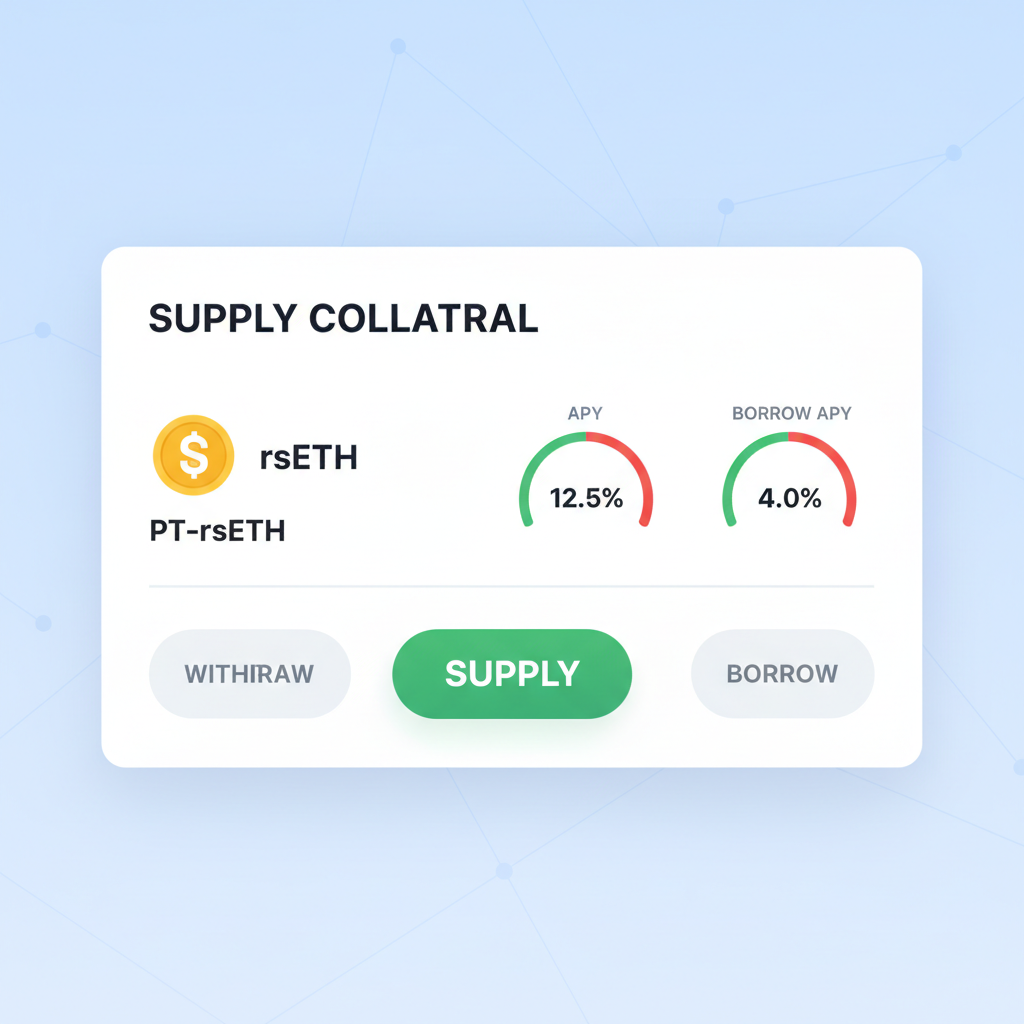
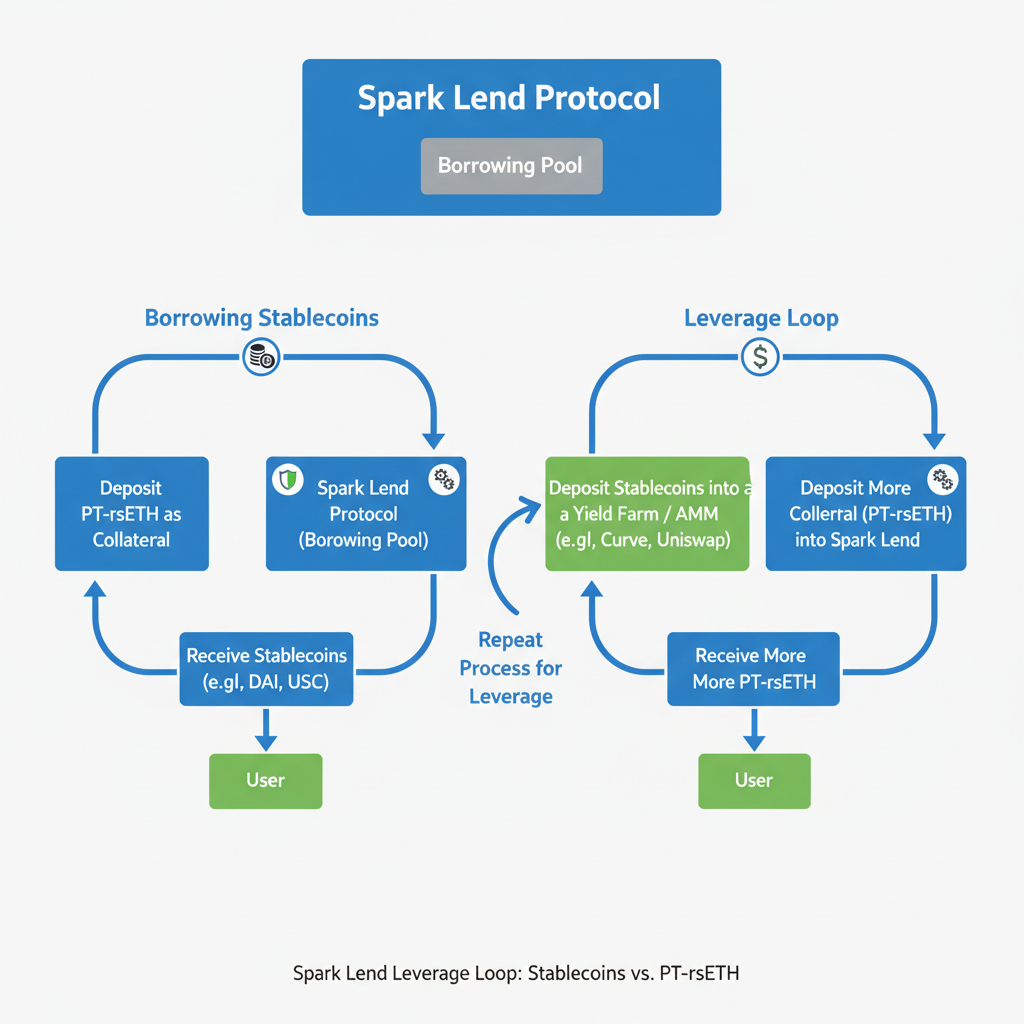
Enter Pendle for yield trading: sell PT-rsETH to lock fixed returns (10-15%) while retaining upside via YT (yield tokens). Simultaneously, supply rsETH on Spark Lend - a MakerDAO fork optimized for LSTs - to borrow DAI at sub-5% rates. Use borrowed assets to short ETH futures or stablecoin farms, creating delta neutrality that hedges against ETH's $2,074.41 fluctuations.
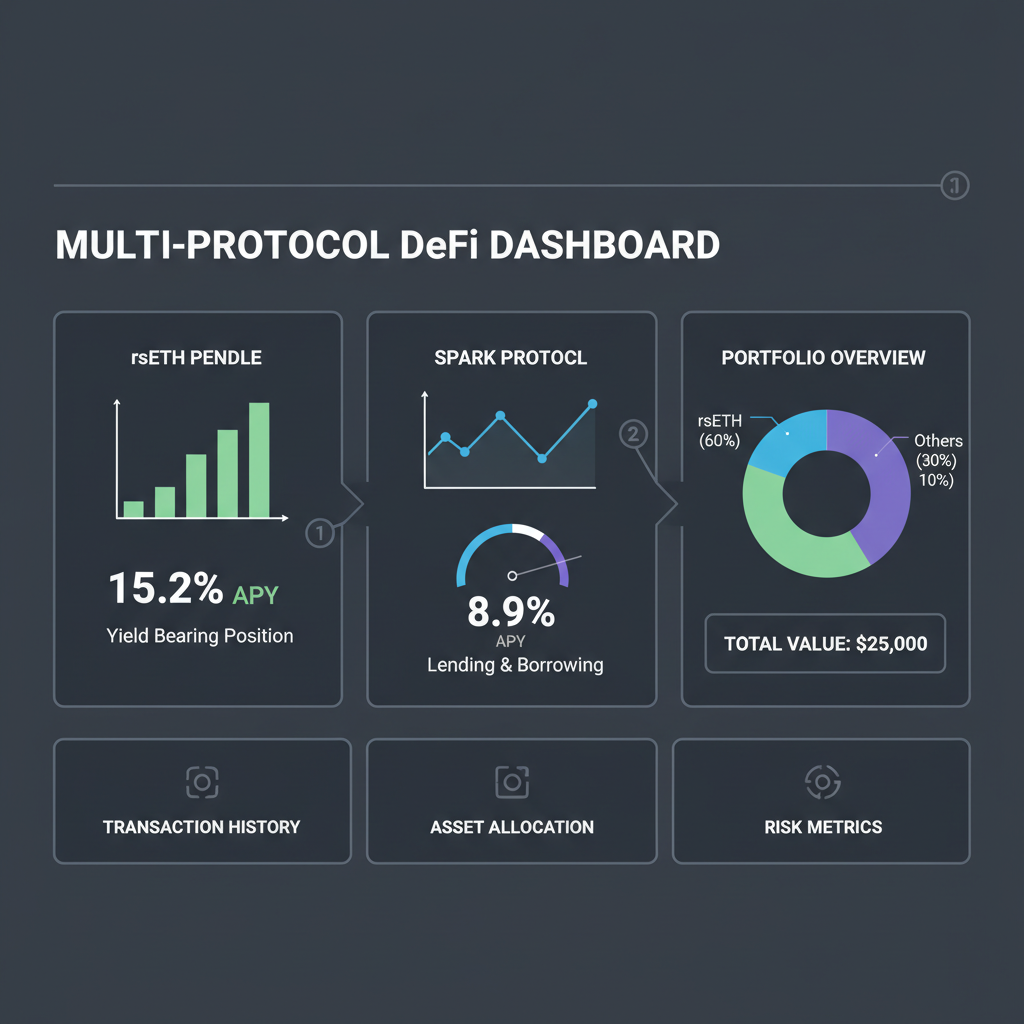
Total APY materializes at 12-22%, blending fixed Pendle yields, lending spreads, and restaking rewards. For instance, a $50,000 rsETH position could generate $6,000-$11,000 yearly, insulated from 20% ETH drops. Spark's efficient liquidation thresholds (LTV ~65%) add resilience. This strategy thrives in sideways markets, where directional bets falter.
- Stake ETH on KelpDAO → Mint rsETH.
- Split rsETH: PT on Pendle for fixed yield; remainder on Spark Lend.
- Borrow DAI → Deploy in neutral yield sources like stablecoin lending.
Precision execution demands monitoring funding rates; negative skews can erode profits. Yet, rsETH's automation reduces operational drag compared to manual stacks.
Master rsETH Delta-Neutral Strategy: 12-22% APY with Pendle PT & Spark Lend
Navigating Risks in LSDfi Yield Stacking
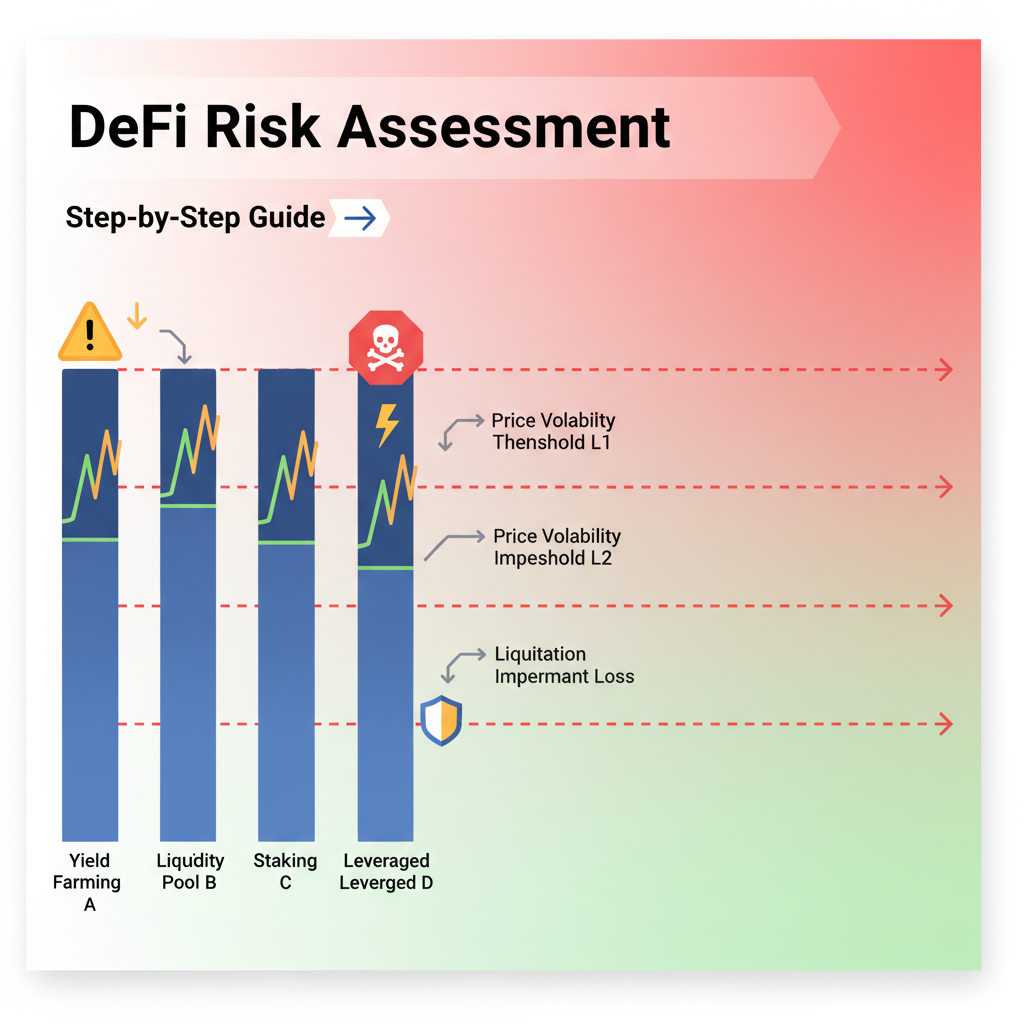
High APYs mask layered risks. De-pegging plagues LSDs during outflows; stETH's 2023 episode shaved 5% temporarily. LRTs amplify this via EigenLayer's nascent AVSs, where correlation failures could cascade. Smart contract audits from top firms mitigate but don't eliminate exploits - Puffer's modular design adds vectors.
Slashing remains validator-dependent; Ether. fi's decentralized selection spreads exposure. Leverage in Aave or Spark invites liquidations if ETH dips below $2,074.41 by 15%. Regulatory headwinds loom, with potential U. S. clarity post-2025 rulings reshaping LST classifications. Allocate no more than 20-30% portfolio to LSDfi, stress-testing via backtests.
Gas optimization is key; bundle transactions via account abstraction to cut costs at Ethereum's scale.
Market momentum favors LSDfi: Ether. fi, Renzo, Swell's Balancer pools boost liquidity, while Puffer's deposits signal adoption. For deeper dives, explore ETH yield maximization with LSTs in DeFi or capital efficiency via LST lending. In Ethereum's 2026 landscape, these eETH, pufETH, rsETH stacks deliver informed, optimized outcomes amid evolving yields.




No comments yet. Be the first to share your thoughts!