
Get liquid staking 2026 right
Start Liquid Staking with the constraint that matters most in real life: space, timing, budget, skill level, maintenance, or availability. That first constraint should shape the rest of the plan instead of appearing as an afterthought. Keep the first pass simple enough to verify. Compare the main options against the same criteria, remove choices that only work in ideal conditions, and save optional upgrades for later.
The simplest way to use this section is to write down the real constraint first, compare each option against it, and choose the path that still works outside ideal conditions.
How to set up liquid staking in 2026
Liquid staking lets you earn yield on your crypto while keeping it usable in DeFi. Instead of locking assets in a traditional validator, you deposit them to receive a receipt token (like stETH or rETH) that represents your stake. You can then use that receipt token to provide liquidity, borrow against it, or trade it, effectively doubling the utility of your initial capital. This guide walks you through the practical steps to set up and manage liquid staking safely.
1. Choose a reputable liquid staking protocol
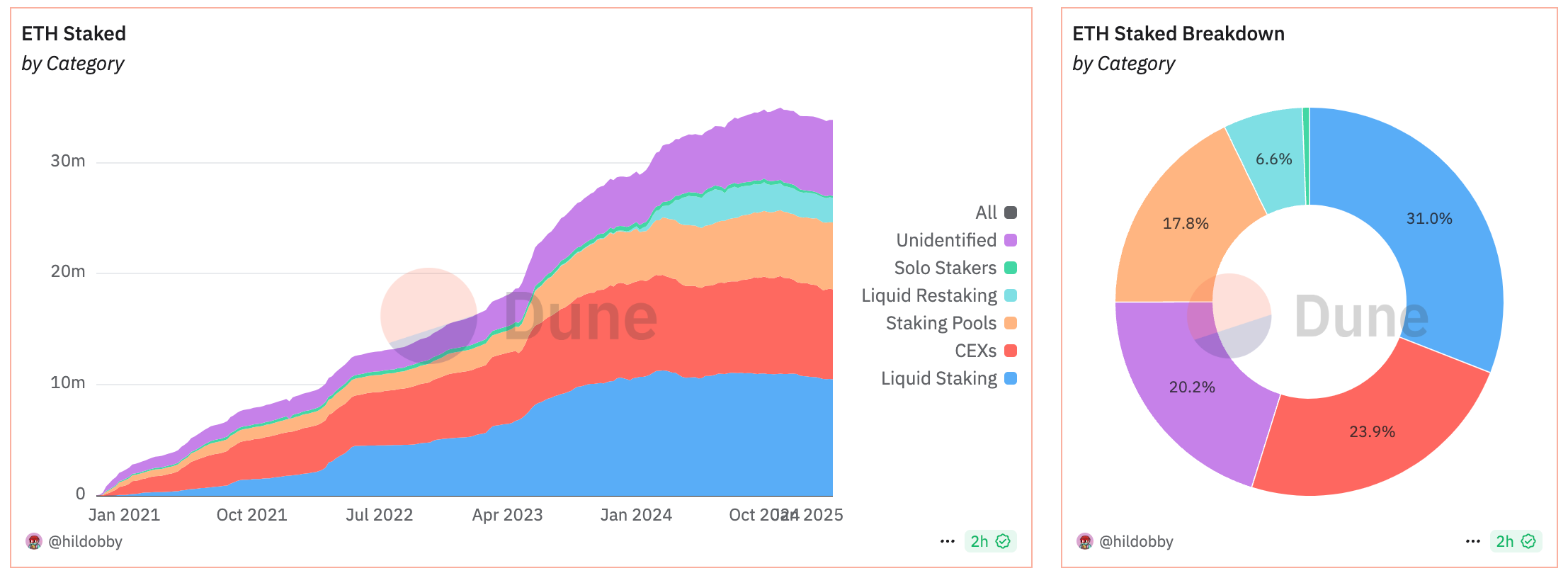
Not all liquid staking platforms are created equal. The market is projected to grow significantly, reaching $572 million by 2032, but this also attracts higher risk profiles. Stick to established protocols with transparent audits and high total value locked (TVL). For Ethereum, Lido and Rocket Pool are the most widely used. For Solana, Marinade or Jito are common choices. Verify the protocol’s smart contract audits and check community sentiment before depositing.
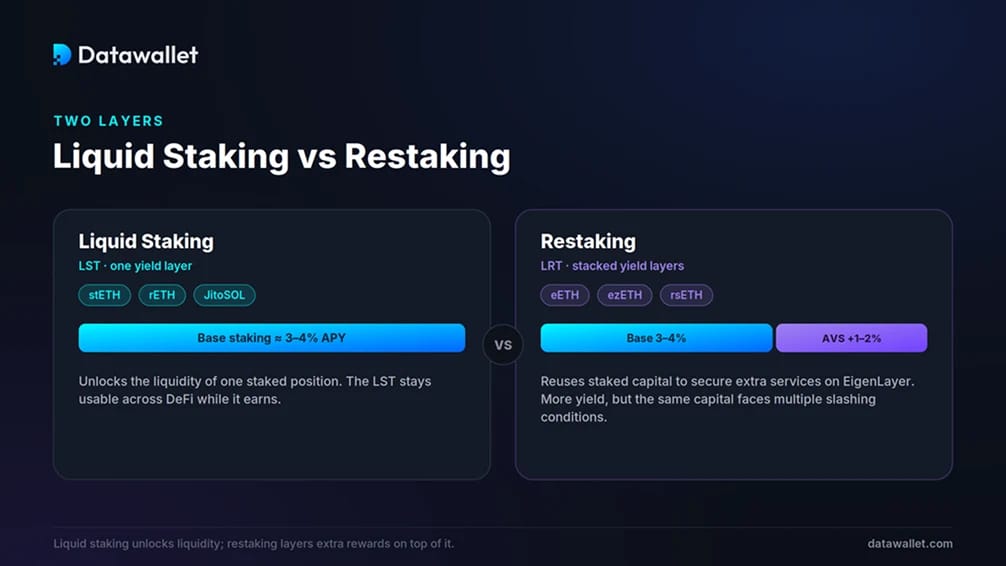
Verify that the protocol has undergone multiple third-party security audits. Check their TVL and historical uptime. Avoid new or unaudited platforms, even if they offer higher yields. Higher yields often signal higher risk of smart contract exploits or slashing events.
2. Connect your wallet and deposit assets
Once you’ve selected a protocol, connect your Web3 wallet (like MetaMask or Phantom) to the official protocol interface. Always double-check the URL to avoid phishing sites. Deposit your native assets (ETH, SOL, etc.) into the protocol’s smart contract. In return, you will receive the corresponding liquid staking token (LST) in your wallet. This LST is your proof of stake and can be transferred or traded.

Navigate to the official website of your chosen protocol. Connect your wallet securely. Deposit your native crypto assets. Ensure you receive the LST in your wallet balance immediately after the transaction confirms. Keep a record of the transaction hash for future reference.
3. Deploy the receipt token in DeFi
The real advantage of liquid staking is using your receipt token. You can supply your LST to a lending protocol (like Aave or Compound) to earn additional yield or use it as collateral to borrow other assets. Alternatively, you can add it to a liquidity pool on a decentralized exchange (DEX) to earn trading fees. This step allows you to compound your returns beyond the base staking APY.
Take your receipt token and supply it to a reputable DeFi lending platform. Earn interest on the supplied assets. Or, provide liquidity in a stablecoin pair to earn trading fees. Monitor your positions regularly to manage liquidation risks if borrowing against your LST.
4. Monitor and rebalance positions
Liquid staking is not a set-and-forget strategy. APYs fluctuate based on network demand and protocol performance. Regularly check your yields and the health of the underlying validator set. If a protocol’s yield drops significantly or a security issue arises, consider withdrawing your stake and moving to a more stable option. Keep an eye on gas fees and transaction costs to ensure your profits aren’t eroded by frequent rebalancing.

Track your APY and the protocol’s overall performance. Rebalance your DeFi positions if yields drop or risks increase. Withdraw your stake if necessary, noting that some protocols have vesting periods or penalties for early withdrawal. Stay informed about network upgrades that might affect staking rewards.
5. Withdraw when needed
Unlike traditional staking, you can exit liquid staking at any time by selling your receipt token on a DEX or returning it to the protocol (if supported). This provides liquidity and flexibility. However, be aware that selling during market downturns could result in losses. Plan your exit strategy based on your financial goals and market conditions.
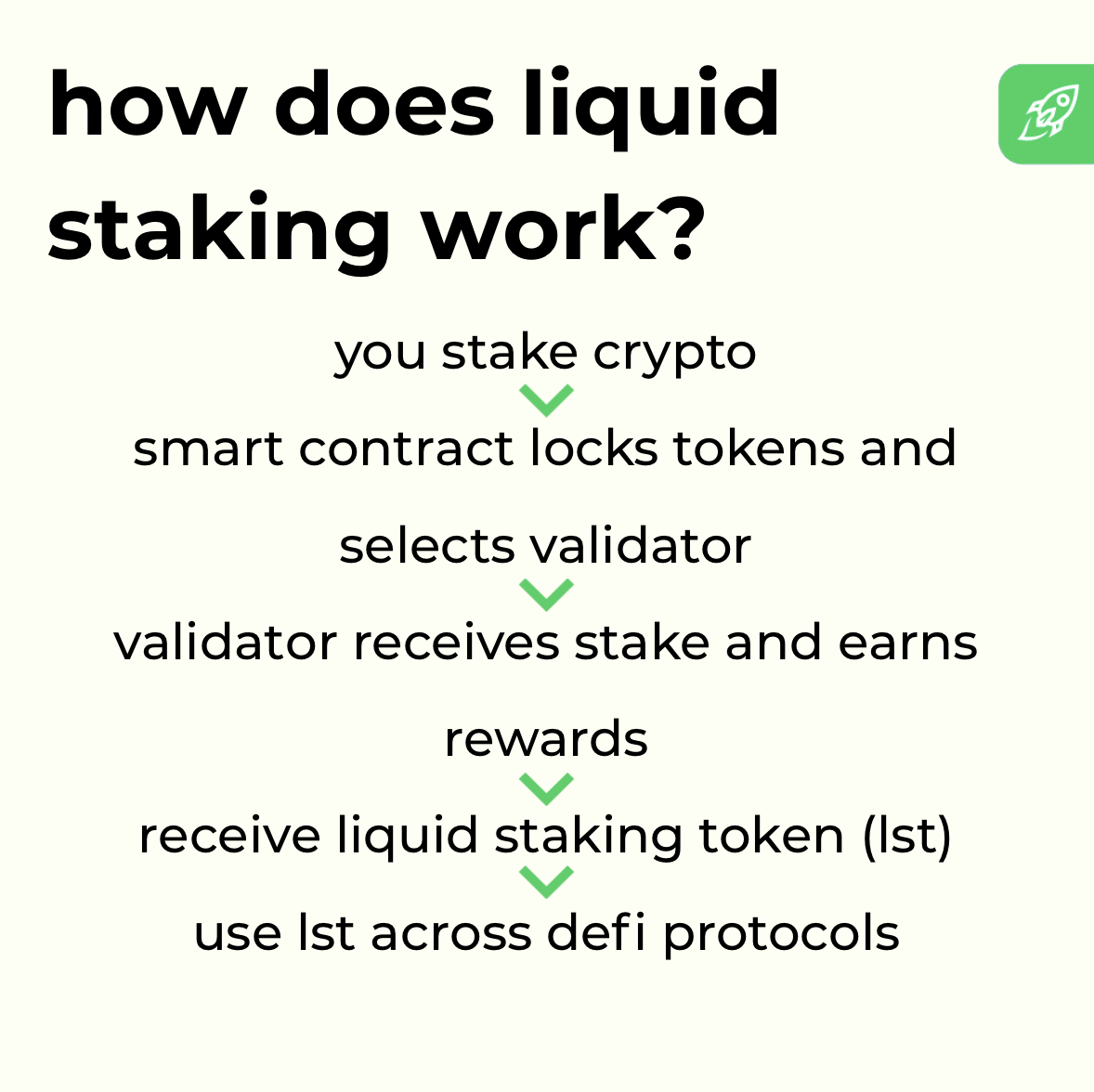
To exit, sell your receipt token on a DEX or return it to the protocol for native assets. Check for any slippage or fees associated with the swap. Ensure you have a clear exit strategy based on your investment timeline and risk tolerance.
-
Verify protocol audits and TVL
-
Connect wallet to official site
-
Deposit native assets for LST
-
Supply LST to DeFi protocol
-
Monitor yields and rebalance
-
Withdraw or sell LST when needed
Common Mistakes in Liquid Staking
Liquid staking is powerful, but it introduces new layers of complexity that can erode your yield or expose you to unnecessary risk. The most frequent errors usually stem from a lack of due diligence on the protocols and token mechanics. Avoid these pitfalls to protect your capital.
Ignoring Slashing Risks
Many users assume that delegating to a validator is risk-free because they are "passive." This is false. If a validator acts maliciously or goes offline, the network can "slash" (penalize) a portion of the staked assets. While most reputable liquid staking protocols (LSPs) maintain insurance funds or require validators to post collateral, smaller or newer protocols may not. Always check the protocol's slashing protection policy before depositing. If the protocol does not explicitly cover slashing losses, you could lose a significant portion of your principal.
Overlooking Token Volatility
Liquid staking rewards you with a receipt token (like stETH or rETH) that represents your staked asset plus accrued yield. These tokens often trade at a slight premium or discount to the underlying asset. If you use these receipt tokens as collateral in DeFi lending protocols during a market downturn, you face liquidation risk. A drop in the underlying asset's price, combined with a widening discount on the receipt token, can trigger automatic liquidations. Treat your receipt tokens as volatile assets, not stable equivalents of your principal.
Chasing the Highest APY
Yield is not free money; it is compensation for risk. A protocol offering 15% APY while the market average is 4% is signaling high risk. This often happens with newer protocols using experimental consensus mechanisms or those relying on unstable yield sources like volatile trading fees. Stick to established, audited protocols with deep liquidity and transparent validator sets. The marginal yield difference rarely justifies the existential risk of a protocol failure.
Neglecting Smart Contract Risk
Liquid staking involves multiple smart contracts: the staking contract, the receipt token minting contract, and the liquidity pool contracts. Each layer is a potential attack vector. Hacks and exploits are the most common cause of total loss in DeFi. Always verify that the protocol has undergone multiple independent security audits from reputable firms. Look for a "bug bounty" program, which indicates the team actively seeks out vulnerabilities. Never deposit large amounts into unaudited or recently deployed protocols.
Liquid staking 2026: what to check next
Before committing capital, it helps to separate marketing hype from the actual mechanics of liquid staking. The following answers address the most common objections and practical concerns for 2026.
Helpful gear
Use these product recommendations as a starting point, then choose the size, material, and price point that fit how you actually use the gear.


As an Amazon Associate, we may earn from qualifying purchases.
Work through Liquid Staking
No comments yet. Be the first to share your thoughts!