
Liquid staking in 2026: liquidity limits and platform choices that change the plan
Liquid staking has evolved from a niche DeFi experiment into a dominant yield strategy for both institutional and retail investors. The global market, valued at $168 million in 2024, is projected to reach $572 million by 2032, growing at a 16.9% compound annual growth rate (CAGR)1. This expansion reflects a fundamental shift: investors no longer want to lock up capital just to earn staking rewards. Instead, they demand liquidity alongside yield.
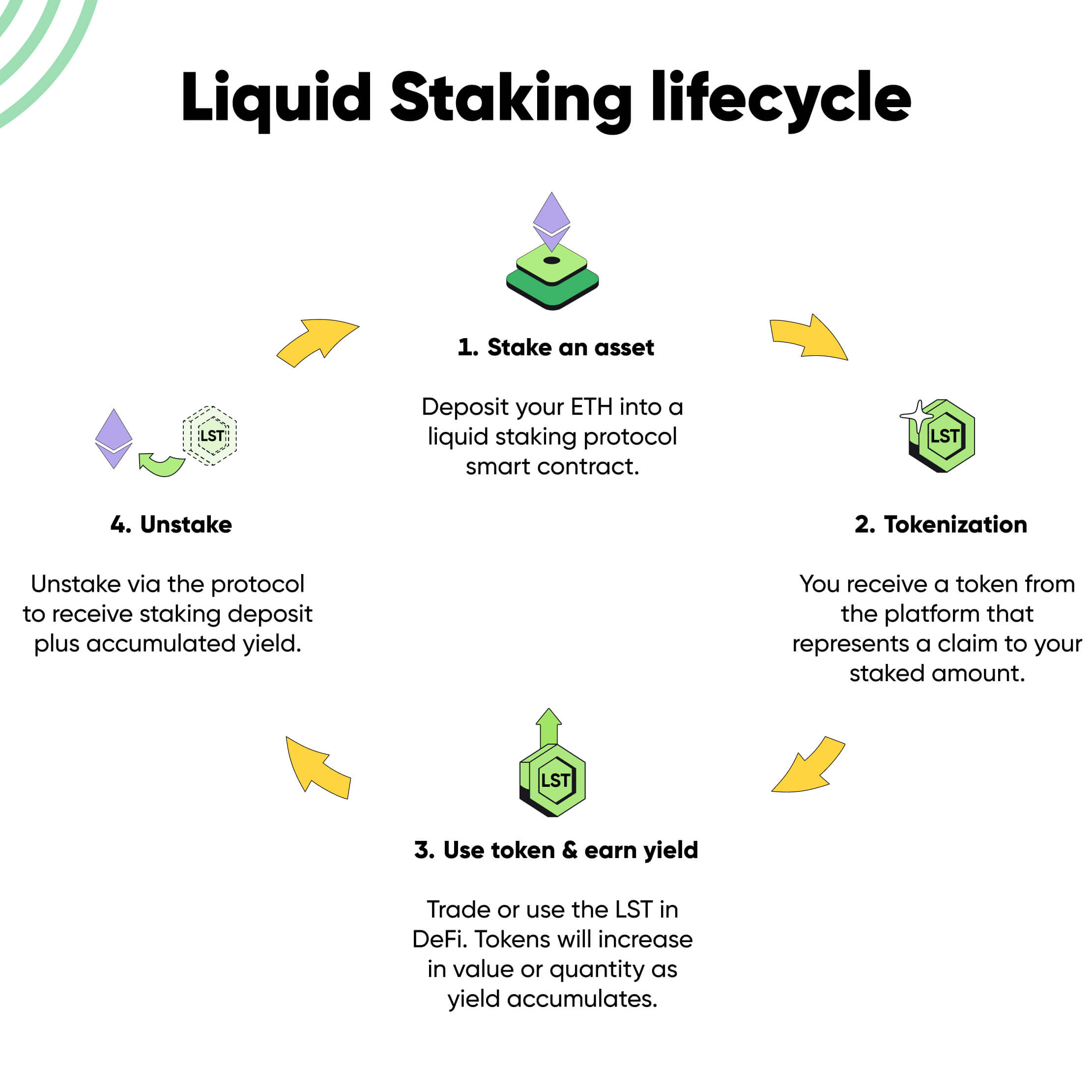
The core constraint of traditional staking is frozen capital. When you stake directly on a blockchain, your assets are locked, leaving you unable to trade or react to volatile market conditions. Liquid staking solves this by issuing a derivative token that represents your staked position. You earn staking rewards while retaining the ability to use that token in other DeFi protocols, trade it, or sell it instantly.
However, selecting the right protocol requires balancing security, liquidity, and yield stability. For beginners, centralized exchanges like Coinbase or Binance offer simplicity and high yields. For those seeking decentralization and lower fees, protocols like Lido or Rocket Pool are preferred. The choice isn't just about the highest 1-hour return, but about matching the platform's structure to your specific risk tolerance.
Liquid staking 2026 choices that change the plan
Liquid staking shifts frozen capital into active yield, but it introduces specific risks that vary by protocol and asset. In 2026, the choice between platforms like Lido, Ether.fi, Jito, and Lombard depends on how you balance yield, decentralization, and liquidity depth. The following comparison breaks down the concrete factors you must evaluate before deploying capital.
| Protocol | Yield Source | Decentralization | Liquidity Depth | Primary Risk |
|---|---|---|---|---|
| Lido | Staking + MEV | Medium | High | Smart contract centralization |
| Ether.fi | Staking + Restaking | High | Medium | Restaking smart contract complexity |
| Jito (SOL) | Staking + MEV | Medium | High | Validator centralization |
| Lombard (SOL) | Staking + Treasury | High | Low | Treasury asset volatility |
The tradeoff is rarely just about the annual percentage yield (APY). Lido offers deep liquidity, making it easier to enter and exit large positions, but this comes with higher centralization risks in its validator set. Ether.fi compensates with higher yields through restaking primitives, yet this adds a layer of smart contract complexity that requires deeper technical due diligence.
For Solana-based strategies, the choice shifts to how MEV (Maximal Extractable Value) is handled. Jito provides high liquidity and integrated MEV rewards, appealing to traders who want immediate yield. Lombard focuses on treasury diversification, which can protect against single-asset volatility but may reduce overall yield stability. Understanding these structural differences is essential for matching a protocol to your specific risk tolerance and liquidity needs.
When selecting a platform, prioritize the source of yield and the decentralization model. If you need immediate liquidity for trading, Lido or Jito are the standard choices. For long-term holders willing to lock capital for higher yields, Ether.fi’s restaking model offers a compelling, albeit more complex, alternative. Always verify the protocol’s audit history and validator distribution before committing funds.
How to choose the right liquid staking platform
Selecting a liquid staking protocol requires matching your risk tolerance and liquidity needs to the specific mechanics of each provider. The market is consolidating around a few dominant players, each offering distinct advantages for different investor profiles. Use this framework to evaluate your options based on yield, decentralization, and accessibility.
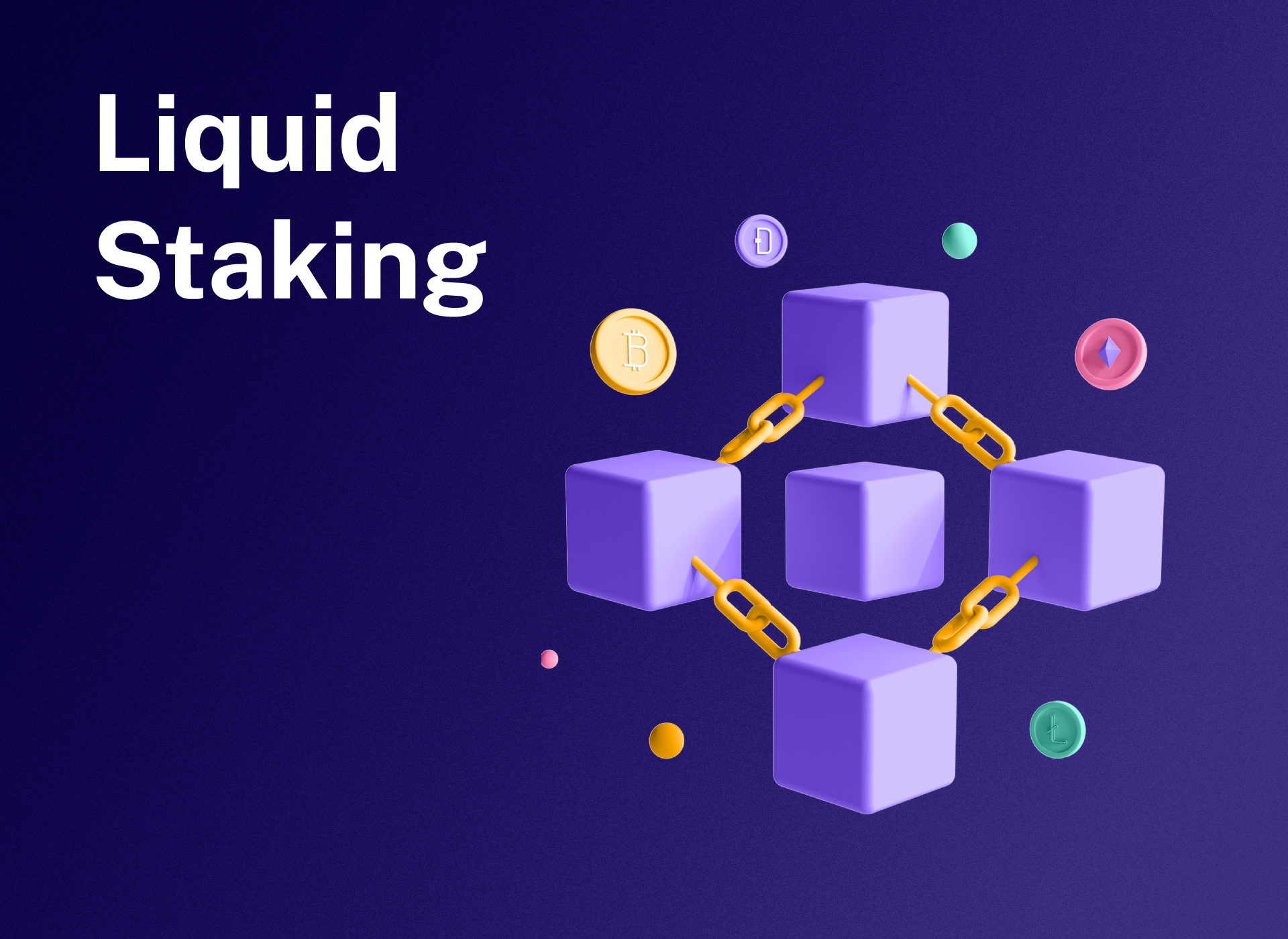
Focus on the net yield after protocol fees. Platforms like Lido and Coinbase offer high liquidity but may charge management fees that eat into returns. Compare the annual percentage yield (APY) against the fee percentage to determine the true effective rate. Look for platforms that offer transparent fee schedules and competitive rates without hidden costs.

Decentralization reduces the risk of a single point of failure. Rocket Pool is a prime example of a decentralized protocol that distributes validator keys across a network of operators. For institutional investors, this distribution of risk is often more important than marginal yield differences. Verify the security audits and the track record of the validator operators.
Not all liquid staking tokens (LSTs) can be redeemed instantly. Some platforms impose withdrawal queues or lock-up periods, especially during high network congestion. Ensure the LST you choose has sufficient liquidity on decentralized exchanges if you plan to trade it actively. For retail investors, instant liquidity is often a primary deciding factor.
Regulatory environments are shifting rapidly. Platforms like Coinbase and Kraken offer user-friendly interfaces and are often more compliant with traditional financial regulations, making them suitable for beginners or institutional entities with strict compliance requirements. Research the regulatory stance of the platform in your jurisdiction to avoid potential access issues.
| Platform | Best For | Decentralization | Liquidity |
|---|---|---|---|
| Lido Finance | Liquid staking | Medium | High |
| Coinbase | Beginners | Low | High |
| Kraken | Variety of assets | Low | Medium |
| Rocket Pool | Decentralized ETH staking | High | Medium |
| Binance | High yields and flexibility | Low | High |



As an Amazon Associate, we may earn from qualifying purchases.
The best platform depends on your primary goal. If you prioritize decentralization and security, Rocket Pool is a strong choice. For ease of use and regulatory comfort, Coinbase or Kraken are better suited. Always diversify your staking providers to mitigate platform-specific risks.
Spotting Weak Liquid Staking Options
The liquid staking market is projected to grow from $198 million in 2025 to $572 million by 2032, but this expansion brings noise alongside opportunity. Many retail investors chase high yields without scrutinizing the underlying mechanics, leading to exposure to weak platforms that cannot sustain returns during market volatility. Identifying misleading claims and structural weaknesses is essential for protecting capital in a high-stakes environment.
The Liquidity Trap
A common mistake is assuming all staked assets remain truly liquid. Some protocols impose hidden lock-up periods or slashing conditions that activate during network stress. When these conditions trigger, your stETH or rETH may become illiquid exactly when you need to exit. Always verify the redemption mechanism and historical uptime of the validator set. If a platform relies on a single centralized entity for withdrawals, it introduces a single point of failure that contradicts the decentralized promise of staking.
Yield Inflation vs. Sustainable APY
Platforms advertising double-digit APYs often rely on inflationary token emissions rather than genuine staking rewards. These yields are unsustainable and act as a red flag for weak options. Legitimate platforms derive yield from validator commissions and network fees, which are typically modest and stable. Compare the advertised APY against the current Ethereum base rate. If the spread is unusually wide, the protocol is likely subsidizing returns with its own native token, exposing you to significant downside risk if the token price collapses.
Decentralization and Slashing Risk
Centralized liquid staking providers, often found on major exchanges, offer ease of use but concentrate risk. If the provider is hacked or faces regulatory action, your staked assets are at risk. Decentralized alternatives like Rocket Pool distribute validator keys across a network, reducing this risk. However, you must still evaluate the decentralization score of the validator set. A high concentration of stake among a few validators increases the probability of slashing events, which can permanently reduce your principal.
The Verdict on Weak Options
Avoid platforms that lack transparency in their fee structures or validator operations. The best liquid staking platforms provide clear, on-chain proof of their reserves and validator performance. Lido Finance remains the leader in liquidity depth, while Rocket Pool offers superior decentralization for those willing to manage slightly more complexity. For beginners, Coinbase and Kraken provide accessible entry points, but their centralized nature means you are taking on counterparty risk. Ultimately, the best choice depends on your tolerance for decentralization versus convenience. Always prioritize protocols with audited smart contracts and a proven track record of uptime.
Liquid staking 2026: what to check next
What is the future of liquid staking?
The market is shifting from niche DeFi experiments to a primary yield infrastructure layer. Valued at $168 million in 2024, the sector is projected to reach $572 million by 2032, expanding at a 16.9% CAGR. This growth highlights how liquid staking bridges the gap between staking rewards and liquidity needs, allowing capital to remain active in DeFi ecosystems rather than sitting idle.
Which liquid staking token will have the highest 1hr return?
Short-term returns fluctuate based on network validator performance, protocol incentives, and liquid token premiums. No single token consistently leads in 1-hour returns. Investors should monitor real-time data on platforms like Forbes Digital Assets or CoinGecko to track hourly yield variations across major protocols like Lido, Rocket Pool, and Jito before making quick trades.
What is the best liquid staking platform?
The "best" platform depends on your priority: security, ease of use, or yield optimization. Lido Finance remains the top choice for liquidity and DeFi integration. For beginners, Coinbase and Binance offer seamless on-ramps with high yields. Decentralized purists often prefer Rocket Pool for its trustless validator setup, while Kraken provides the widest variety of staked assets.
Is liquid staking safe for institutional investors?
Institutional adoption is rising because it solves the "locked capital" problem of traditional staking. However, risks remain, including smart contract vulnerabilities and centralization of validator sets. Institutional players typically diversify across multiple protocols (e.g., Lido, Ether.fi, Jito) and use audited wrappers to mitigate single-point-of-failure risks while maintaining regulatory compliance.
Footnotes
-
Intel Market Research. "Liquid Staking Market Outlook 2026-2032." Accessed Dec 2025. ↩
No comments yet. Be the first to share your thoughts!