
Set up your wallet and choose a protocol
Before you can participate in liquid staking 2026, you need a non-custodial wallet and a clear understanding of which protocol to use. This initial setup is critical because you are entrusting your assets to smart contracts that manage the staking process on your behalf.
Start by installing a reputable non-custodial wallet like MetaMask, Phantom, or Ledger Live. These tools give you full control over your private keys, which is essential for secure staking. Ensure your wallet is connected to the correct network (e.g., Ethereum Mainnet, Solana, or Polygon) depending on the blockchain you intend to stake.
Not all liquid staking providers are equal. Look for protocols with high Total Value Locked (TVL) and transparent governance. In 2026, major players like Lido, Rocket Pool, and Jito dominate their respective chains. Check their official documentation to understand how they distribute rewards and handle validator fees. Avoid lesser-known protocols with low liquidity, as they may pose higher risks.

Phishing sites often mimic legitimate liquid staking platforms. Always obtain contract addresses from the protocol’s official website or verified social media channels. Double-check the address on a block explorer like Etherscan or Solscan before interacting. This step prevents you from sending assets to malicious contracts designed to drain your wallet.

As an Amazon Associate, we may earn from qualifying purchases.
Once your wallet is set up and you have selected a protocol, you are ready to deposit your assets. The process typically involves swapping your native tokens for the liquid staking token (LST) provided by the protocol, such as stETH or rETH. These tokens represent your staked position and can be used in other DeFi applications to earn additional yield.
Deposit assets and receive liquid tokens
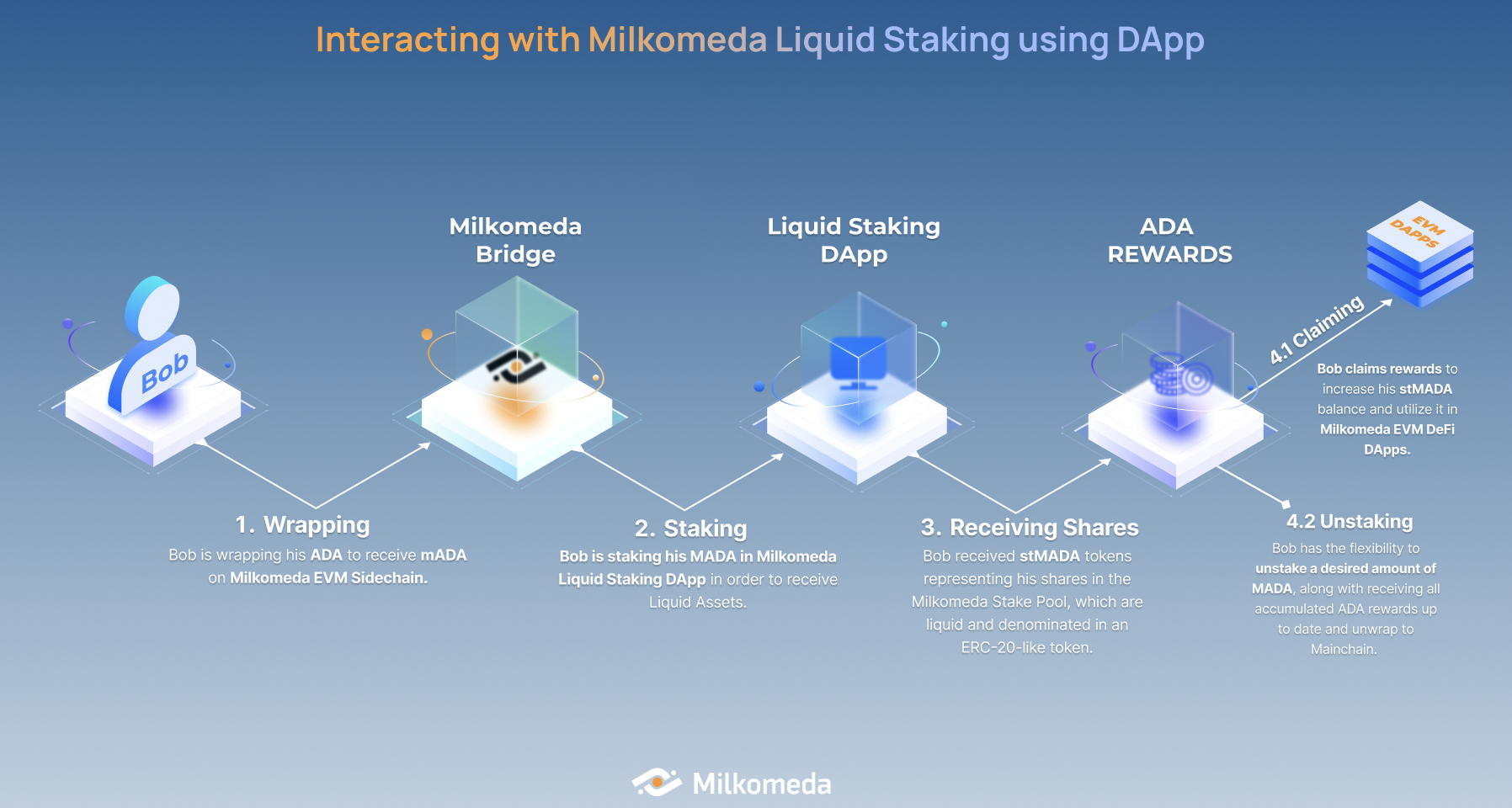
Liquid staking 2026 works by swapping your native crypto for a receipt token that represents your staked position. Instead of locking your ETH or SOL directly into a validator node, you deposit it into a protocol. The protocol then stakes the assets on your behalf and mints a corresponding liquid staking token (LST), such as stETH or rETH, back to your wallet.
This mechanism solves the primary friction of traditional staking: illiquidity. Once you receive these LSTs, you retain full ownership of your underlying stake while gaining immediate access to your capital. You can trade these tokens on exchanges or use them as collateral in DeFi applications, effectively unlocking the yield potential of your staked assets without waiting for unbonding periods.
Begin by choosing a reputable protocol like Lido, Rocket Pool, or a Solana-based equivalent. Review the protocol’s security audits and total value locked (TVL) to ensure it is a trusted infrastructure layer for your specific blockchain.

Connect your web3 wallet to the protocol’s interface. You will need to approve the protocol to spend your native ETH or SOL. This is a standard ERC-20 or SPL token approval that allows the smart contract to receive your deposit.
Transfer your native crypto into the protocol’s smart contract. In exchange, the protocol instantly mints and sends liquid staking tokens to your wallet. For example, depositing 1 ETH might yield approximately 0.98 stETH, reflecting the protocol’s fees and staking rewards accrual.
Your LSTs now represent your staked value. You can hold them to accrue staking rewards automatically, or deploy them into other DeFi strategies like liquidity pools to compound your yields. The token’s value typically tracks the underlying asset plus accumulated staking rewards.
The peg between your LST and the native asset is critical. In stable market conditions, 1 LST should equal 1 native coin plus staking rewards. Significant deviations can signal protocol risk or market inefficiency, so monitor the peg closely if you plan to use these tokens for active trading or collateral.
Deploy liquid tokens in DeFi strategies
Once you receive liquid staking tokens (LSTs) like stETH or rETH, your assets are no longer idle. Unlike traditional staking, which locks funds for extended periods, liquid staking 2026 protocols allow you to use these tokens as collateral across decentralized finance (DeFi) markets. This creates a compounding effect: you earn base staking rewards while simultaneously generating additional yield through lending or liquidity provision.
Compare yield sources
Not all DeFi strategies carry the same risk or return profile. Before deploying your tokens, it is essential to understand the mechanics and trade-offs of each primary option.
| Strategy | Yield Source | Risk Level | Liquidity |
|---|---|---|---|
| Lending Protocols | Interest from borrowers | Low to Medium | High |
| Liquidity Pools | Trading fees + incentives | Medium to High | Medium |
| Restaking | Security services + staking | High | Low |
Lending protocols
The most straightforward way to earn additional yield is by supplying your LSTs to established lending markets. Protocols like Aave or Compound allow you to lend your tokens to borrowers who pay interest on their loans. This approach is relatively passive and carries lower risk compared to other DeFi activities, though it exposes you to smart contract risk and the credit risk of the protocol itself.
Liquidity providing
For higher potential returns, you can provide liquidity to decentralized exchanges (DEXs) like Uniswap. By adding your LST to a trading pair (e.g., ETH/stETH), you earn a share of the trading fees. However, this strategy introduces impermanent loss risk. If the price of your LST diverges significantly from the paired asset, you may end up with less value than if you had simply held the assets in your wallet.
Restaking
Restaking, popularized by protocols like EigenLayer, allows you to reuse your staked ETH to secure additional "actively validated services" (AVSs). This can generate higher yields but comes with increased complexity and slashing risk. If the AVS you are securing fails to perform its duties correctly, your staked assets could be penalized. This strategy is best suited for experienced users who understand the technical and financial implications.
Pre-deployment checklist
Before committing your assets to any DeFi strategy, run through this quick verification list to mitigate common pitfalls:
-
Verify protocol insurance coverage and historical security audits.
-
Calculate potential impermanent loss if entering a liquidity pool.
-
Confirm current gas fees to ensure they do not erode your yield.
-
Review the tokenomics of any incentive rewards to ensure they are sustainable.
-
Ensure you understand the withdrawal process and any associated time locks.
By carefully selecting the right strategy and conducting due diligence, you can effectively compound your returns without sacrificing the liquidity that makes liquid staking so valuable in 2026.
Monitor risks and rebalance positions
Liquid staking 2026 yields come with hidden liabilities. Unlike native staking, you hold a derivative token that can diverge from the underlying asset. You must actively monitor three specific risks: smart contract failures, depegging events, and slashing penalties.
Check the peg stability
Liquid staking tokens (LSTs) like stETH or rETH should trade at or near 1:1 with the underlying asset. A persistent discount signals market stress or protocol distrust. Use a price chart to track the spread over time. If the discount widens beyond 1-2%, consider rebalancing into a more stable LST or withdrawing to native staking.
Track slashing and protocol health
Slashing events occur when validators act maliciously or go offline, resulting in the loss of staked ETH. While most LST protocols distribute this loss across all token holders, it can be significant. Monitor the validator set health of your chosen protocol. Official documentation often publishes slashing reports and insurance fund status. If a protocol’s insurance fund is depleted, the risk to your principal increases.
Rebalance based on yield vs. risk
Yields are not static. As network participation changes, so do rewards. Compare the net yield of your LST against the cost of capital and potential depegging risk. If a new LST offers significantly higher yields, the spread often compensates for higher smart contract risk. Diversify across two or three reputable protocols rather than concentrating all capital in one. This limits exposure if one protocol experiences a bug or exploit.
Common questions about liquid staking
Liquid staking 2026 offers flexibility, but it introduces specific tax, liquidity, and security considerations that differ from traditional staking. Understanding these mechanics is essential for managing risk and compliance.
No comments yet. Be the first to share your thoughts!