
Choose a liquid staking protocol
Selecting a liquid staking protocol requires comparing their track records, decentralization scores, and fee structures. The market is dominated by a few established players, but the "best" choice depends on whether you prioritize maximum yield through restaking or the security of a decentralized validator network.
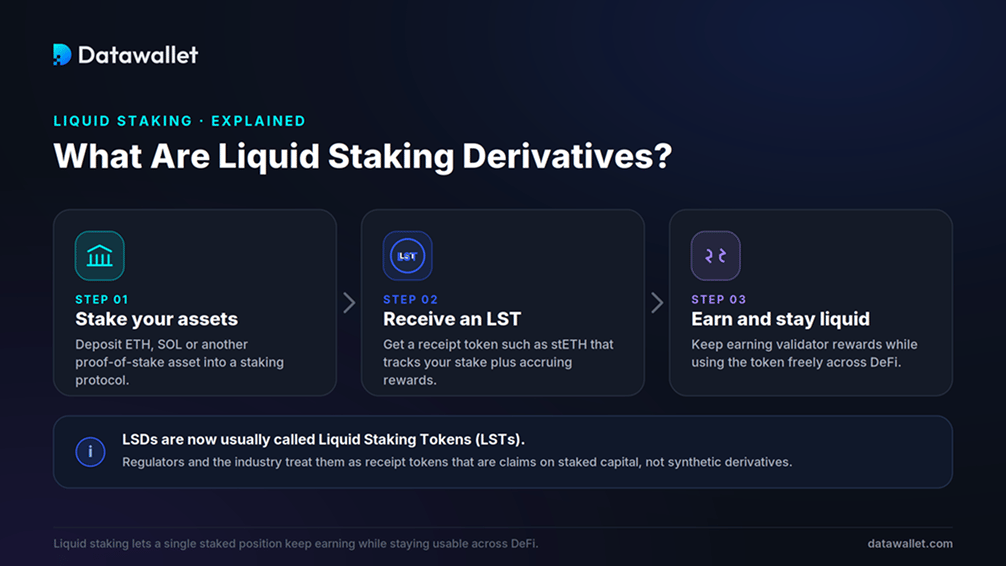
Liquid staking allows you to earn staking rewards while retaining liquidity. Unlike traditional staking, where assets are locked, liquid staking tokens (LSTs) can be used in other DeFi applications. This adds a layer of utility but also introduces smart contract risk. Always verify the protocol's audit history and validator distribution before committing funds.
Compare top protocols
The following table compares the three most prominent liquid staking protocols in 2026. Lido remains the market leader by total value locked (TVL), while Rocket Pool offers a more decentralized alternative. StakeWise provides a flexible option for specific ecosystem needs.
Lido’s dominance stems from its early entry and deep liquidity, but its centralized validator structure has drawn regulatory scrutiny. Rocket Pool addresses this by allowing anyone to run a node, significantly reducing single-point-of-failure risks. StakeWise offers a hybrid approach, allowing users to choose between traditional LSTs or Liquid Restaking Tokens (LRTs) for potentially higher yields.
Understand restaking vs. native staking
Native liquid staking involves staking ETH directly on the Ethereum beacon chain. Restaking protocols, such as EigenLayer, allow you to "restake" your LSTs to secure additional protocols. This generates extra yield but multiplies the attack surface. If the underlying Ethereum consensus layer fails, your restaked assets are also at risk. Only use restaking if you understand the additional smart contract and slashing risks.




As an Amazon Associate, we may earn from qualifying purchases.
Securing your liquid staking assets is critical. Since you are interacting with multiple smart contracts, using a hardware wallet is the standard recommendation. These devices keep your private keys offline, protecting you from phishing attacks and malicious dApps. Always verify contract addresses on official protocol sites before connecting your wallet.
Connect wallet and deposit assets
This section walks through the technical steps for bridging assets and depositing them into the chosen protocol to receive liquid staking tokens (LSTs). The process is straightforward: connect your wallet, select your protocol, and confirm your deposit.
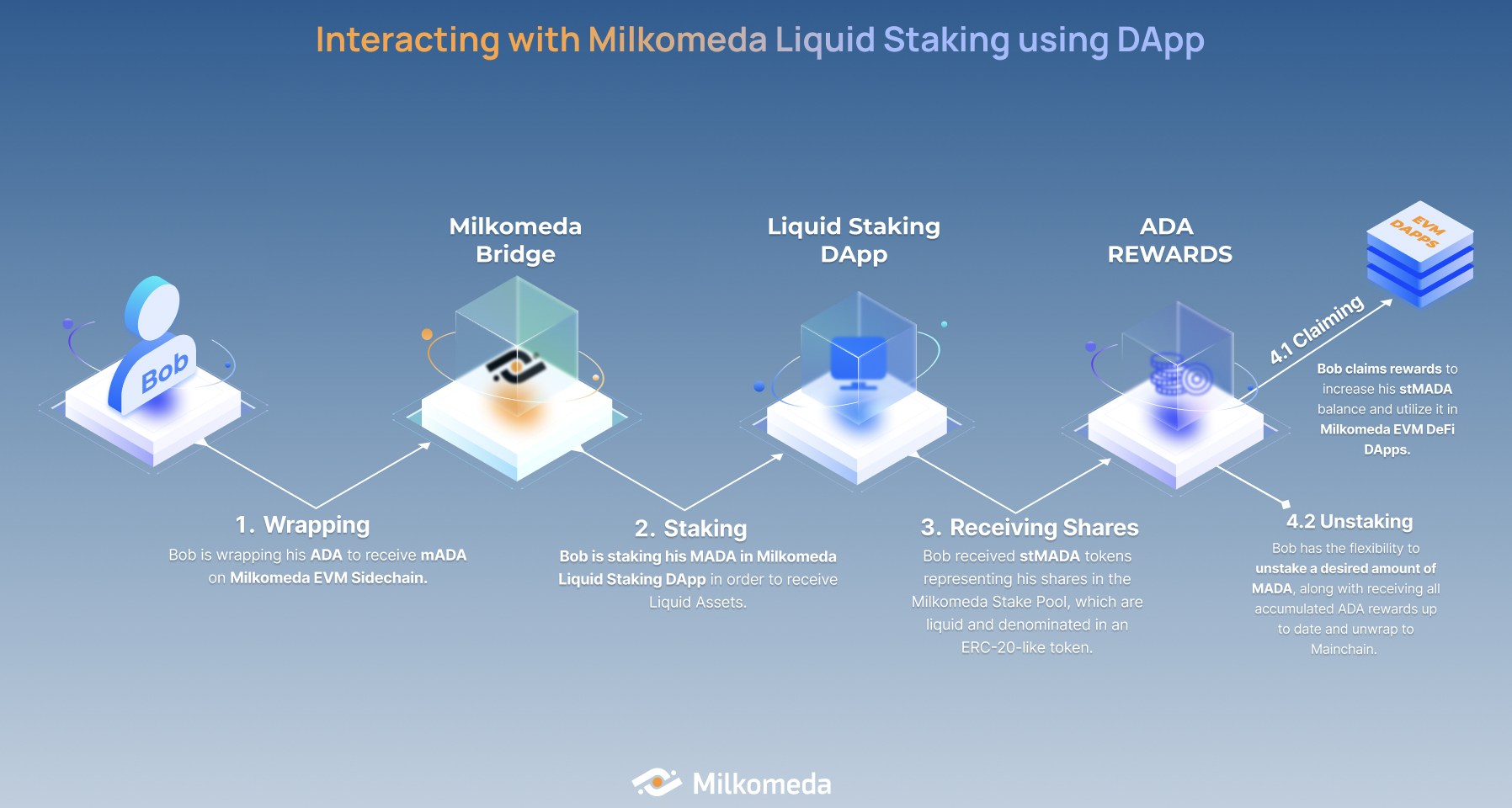
Navigate to the official website of your chosen liquid staking protocol. Look for a "Connect Wallet" button, usually located in the top-right corner. Select your preferred wallet provider (such as MetaMask, Phantom, or Coinbase Wallet) and approve the connection request in your wallet interface. This step establishes a secure link between your assets and the protocol.
Once connected, navigate to the "Stake" or "Deposit" tab. Choose the cryptocurrency you wish to stake (e.g., ETH, SOL, or BNB). Enter the amount you want to deposit. Most protocols display the estimated Annual Percentage Yield (APY) and the number of Liquid Staking Tokens (LSTs) you will receive in return. Ensure you have enough native tokens in your wallet to cover transaction fees (gas).
Carefully review the transaction details, including the exchange rate, fees, and the specific LST you will receive. Double-check that you are on the correct network (e.g., Ethereum, Solana, or Cosmos). When ready, click "Stake" or "Deposit" and confirm the transaction in your wallet. Wait for the blockchain to process the transaction, which may take a few seconds to several minutes depending on network congestion.

After the transaction is confirmed, your wallet balance should update to show the new LST balance. You can also verify this on the protocol's dashboard. The LST will automatically accrue staking rewards over time, increasing in value relative to the underlying asset. You can now use these LSTs in other DeFi applications or hold them to earn passive income.
Deploy liquid staking tokens in DeFi protocols
Once you hold a liquid staking token (LST), it functions like any other crypto asset—but with a built-in yield layer. The goal is to deploy these tokens into decentralized finance (DeFi) protocols to compound returns. You are essentially layering one yield source on top of another.
Before interacting with any protocol, verify the smart contract audit status. Most major LSTs are integrated into established lending markets, but new or niche integrations carry higher smart contract risk. Check the protocol’s official documentation for supported assets.
1. Supply LSTs to a lending protocol
Lending protocols like Aave allow you to supply your LST as collateral. You earn yield from the interest paid by borrowers, plus the underlying staking rewards from the LST itself.
Navigate to the deposit page of your chosen lending market. Select your LST (e.g., stETH, rETH) and click deposit. Confirm the transaction in your wallet. Your position will immediately begin earning the combined yield.
2. Provide liquidity in automated market makers
For higher potential yields, you can provide liquidity to decentralized exchanges (DEXs) like Curve or Uniswap. Curve is particularly popular for LST pairs because it minimizes slippage for assets with similar values.
Select the trading pair that matches your LST (e.g., stETH/ETH). Deposit equal values of both assets into the liquidity pool. You will earn trading fees from the pool, which are often distributed as additional tokens or yield.
3. Reinvest rewards to compound growth
Most DeFi protocols do not automatically compound rewards. You must manually claim and reinvest your earnings to maximize the power of compounding.
Set a calendar reminder to check your positions weekly or monthly. Claim any distributed rewards and deposit them back into the protocol. This simple step can significantly increase your long-term returns compared to leaving yields unclaimed.
Monitor slashing and smart contract risks
Liquid staking amplifies yield by enabling protocol-level staking, but it introduces specific failure modes that differ from native staking. You are not just betting on network uptime; you are betting on the integrity of the validator set and the code governing the derivative tokens. A single misconfigured validator or a bug in the staking contract can result in permanent capital loss.
1. Audit validator commission and slashing history
Slashing occurs when a validator node fails to perform its duties or acts maliciously, resulting in the penalty of staked ETH. In liquid staking, this penalty is distributed across all token holders, reducing the value of your derivative token (e.g., stETH, rETH).
Before depositing, verify the operational history of the protocol’s validators. High slashing rates indicate poor node management or incentivized behavior that compromises security. Look for protocols that maintain low commission rates and have a transparent record of uptime.
2. Assess smart contract security and TVL health
Smart contract vulnerabilities are the most catastrophic risk in DeFi. Liquid staking protocols hold billions in assets, making them prime targets for exploits. Check the audit status of the core contracts. Reputable protocols undergo multiple audits from firms like OpenZeppelin or Trail of Bits, and they often run bug bounty programs.
Additionally, monitor the Total Value Locked (TVL). A sudden, unexplained drop in TVL may signal a loss of confidence or an impending exploit. As of 2026, the market remains robust with over $66 billion locked across major protocols, but concentration risk remains high if a single protocol dominates the market share.
3. Diversify across multiple protocols
No single protocol is immune to risk. Diversifying your liquid staking positions across two or three reputable protocols (such as Lido, Rocket Pool, and Frax) mitigates the impact of a single point of failure. If one protocol suffers a slashing event or a smart contract bug, your exposure is limited to that portion of your portfolio.
-
Verify smart contract audits from reputable firms
-
Check validator slashing history (aim for <1% annual rate)
-
Ensure TVL is distributed across multiple protocols
-
Review governance voting power concentration
4. Set up real-time monitoring alerts
Relying on periodic checks is insufficient. Set up alerts for slashing events, major governance proposals, and unusual TVL movements. Many protocols offer on-chain monitoring tools or integrate with third-party dashboards that track validator performance in real time. Early detection allows you to unstake or rebalance before a crisis escalates.
Exit your liquid staking position
When you are ready to realize gains or exit the market, you have two primary paths: redeeming for native ETH or selling on an exchange. The process differs significantly depending on the protocol and the current network conditions.
Redeem for native ETH
If your protocol supports direct redemption, you can swap your LST back for the underlying asset. This is often the cleanest exit, but it is not always immediate. Some protocols impose withdrawal queues to manage liquidity during high demand. Check the specific withdrawal terms of your provider before initiating the swap.
Sell on an exchange
Selling your LST on a centralized or decentralized exchange is the faster alternative. This method bypasses redemption queues but exposes you to market risk. You sell at the current market price, which may differ from the value of the underlying ETH due to premium or discount fluctuations.
Watch for slippage
Large sell orders can cause slippage, especially on decentralized exchanges with lower liquidity pools. To minimize impact, break your exit into smaller orders or use limit orders. Always verify the available liquidity before executing a large trade.
No comments yet. Be the first to share your thoughts!