
Get liquid staking derivatives 2026 right
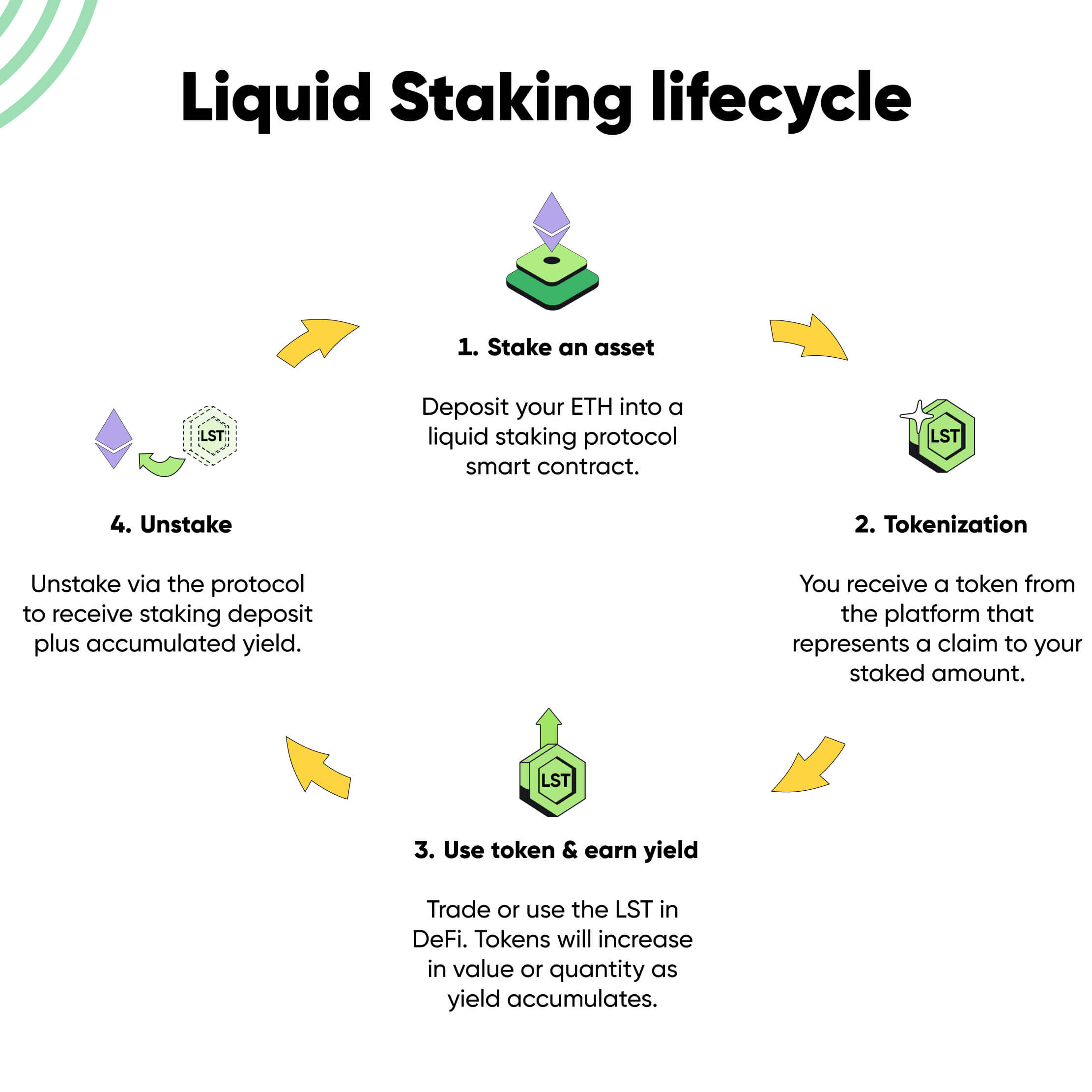
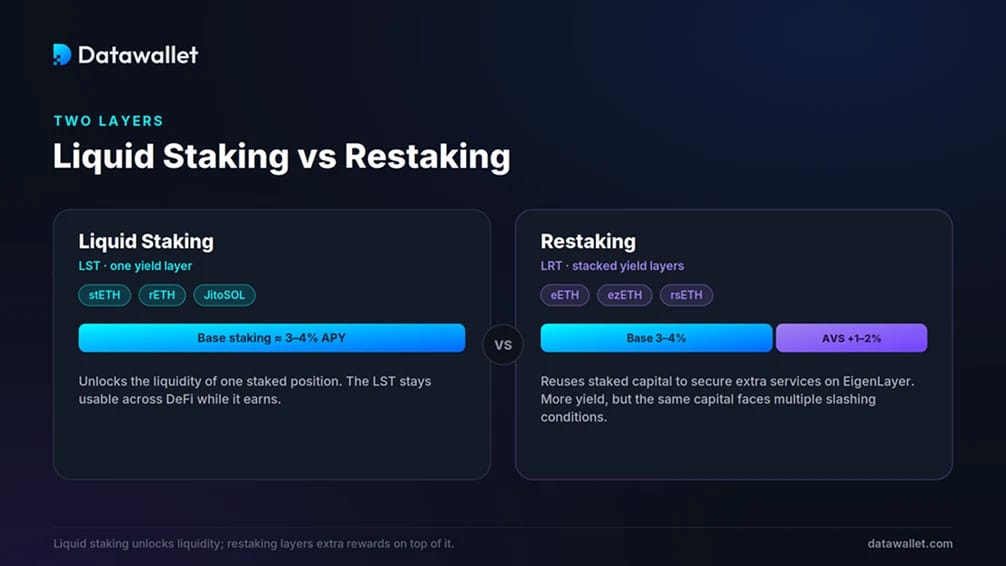
Before you deposit funds, you need to understand the mechanics and the risks. Liquid staking allows you to stake assets like Ethereum while retaining liquidity through a derivative token. This derivative represents your staked position and can be used in other DeFi activities, such as lending or providing liquidity.
However, this convenience comes with complexity. You are not just staking; you are taking on smart contract risk, validator risk, and potential depegging risk. If the protocol fails or the derivative loses its peg to the underlying asset, you can lose capital. Therefore, due diligence is not optional—it is the foundation of your strategy.
1. Choose a reputable protocol
Not all liquid staking protocols are created equal. Look for those with a long track record, high Total Value Locked (TVL), and transparent governance. In 2026, the market is maturing, with major players like Lido, Rocket Pool, and others dominating. Research their audit history and community governance models. Avoid new or untested protocols that promise unusually high yields.
2. Understand the fee structure
Fees directly impact your net yield. Protocols charge a service fee on the staking rewards. Some also have validator operator fees. Compare these across providers. A protocol with a lower yield but lower fees might be more profitable than one with a higher gross yield but high deductions. Also, check if there are any withdrawal fees or penalties for early unstaking.
3. Assess the derivative’s liquidity
The value of your derivative token depends on its liquidity. If you need to exit a position, you need a deep market to sell without significant slippage. Check the liquidity depth on decentralized exchanges (DEXs) and centralized exchanges (CEXs). Low liquidity can lead to large price swings and difficulty in selling your derivative.
4. Monitor the peg
Liquid staking derivatives should ideally trade at a 1:1 ratio with the underlying asset. However, they can depeg due to market conditions, protocol issues, or systemic stress. Set up alerts for significant deviations from the peg. If a derivative depegs significantly, it may indicate underlying problems with the protocol or broader market panic.
5. Plan for unstaking
Unstaking is not always immediate. Some protocols have a queue or a waiting period. Understand the unstaking process and timeframes. If you need quick access to your funds, a protocol with a longer unstaking period might not be suitable. Also, consider the gas costs associated with unstaking and moving your assets.
6. Diversify your staking
Do not put all your assets into a single protocol. Diversification reduces the risk of a single point of failure. Spread your staking across multiple reputable protocols. This way, if one protocol experiences issues, your entire position is not compromised.
7. Stay informed
The DeFi landscape changes rapidly. New protocols emerge, old ones fail, and regulations shift. Stay informed about the latest developments in liquid staking. Follow official channels, read audit reports, and engage with the community. Ignorance is a risk you cannot afford.
Work through the steps
Liquid Staking works best as a clear sequence: define the constraint, compare the realistic options, test the tradeoff, and choose the path with the fewest hidden costs. That order keeps the advice usable instead of decorative. After each step, pause long enough to check whether the recommendation still fits the reader's actual situation. If it depends on perfect timing, unusual access, or a best-case budget, include a simpler fallback.
Common liquid staking mistakes
Liquid staking derivatives (LSDs) unlock capital by tokenizing staked assets, but the mechanics introduce specific risks that can erode yields or cause principal loss. Even in 2026, many users treat LSDs like traditional savings accounts, ignoring the technical and market variables that drive actual returns. Below are the most frequent errors and how to avoid them.
Ignoring depegging risk
Liquid staking tokens are pegged to the underlying asset (e.g., stETH to ETH), but they can trade at a discount during market stress. This "depeg" happens when validators slash stakes or when liquidity dries up in DeFi pools. If you rely on the LSD for collateral in lending protocols, a depeg can trigger liquidations. Always monitor the premium/discount spread on major exchanges and keep a buffer in stablecoins or native ETH to cover volatility.
Overlooking slashing events
Slashing occurs when a validator behaves maliciously or goes offline, resulting in the loss of a portion of the staked ETH. While most liquid staking protocols distribute slashing losses across all token holders, the impact can be significant. If a major protocol suffers a slashing event, the value of your LSD drops immediately. Diversify across multiple reputable providers rather than concentrating exposure in a single protocol to mitigate this counterparty risk.
Forgetting about tax implications
Swapping LSDs for other assets or using them in DeFi often triggers taxable events. Unlike native staking, where rewards are taxed upon receipt, LSD transactions can complicate cost basis calculations. Using an LSD as collateral in a loan does not typically trigger a taxable event, but repaying the loan or swapping the LSD for another asset does. Keep detailed records of all LSD transactions to avoid errors during tax filing.
Chasing yield without checking underlying mechanics
High yields often signal higher risk. Some protocols offer inflated rewards by printing additional tokens, which can lead to inflationary pressure and long-term devaluation. Ensure the yield comes from actual validator rewards rather than unsustainable token emissions. Check the protocol's audit history, treasury size, and validator set diversity before committing capital.
Liquid staking derivatives 2026: what to check next
Before committing capital to liquid staking, it helps to separate the yield mechanics from the actual risks. While the strategy unlocks liquidity for DeFi activities, it introduces smart contract and slashing exposures that don't exist in native staking.
No comments yet. Be the first to share your thoughts!