
Get liquid staking 2026 right
Before you allocate capital, you need a clear map of the trade-offs. Liquid staking solves the liquidity trap of traditional staking, but it introduces smart contract risk and validator performance dependencies. The protocols are mature, but the setup is not plug-and-play without due diligence.
Start by verifying the underlying protocol’s audit history and treasury size. A protocol with a small treasury or no recent audits is a single point of failure. Check if the liquid token is supported by major decentralized exchanges for easy exit. If you cannot sell the token instantly during a dip, the "liquid" part of the name is misleading.
Also, understand the fee structure. Some protocols charge a flat percentage on rewards, while others take a cut of the staking yield. Calculate the net annual percentage yield (APY) after fees. A high gross APY often masks high platform fees that eat into your actual returns. Finally, ensure you are using the official interface to avoid phishing sites that mimic legitimate liquidity pools.
Work through the steps
Liquid Staking works best as a clear sequence: define the constraint, compare the realistic options, test the tradeoff, and choose the path with the fewest hidden costs. That order keeps the advice usable instead of decorative. After each step, pause long enough to check whether the recommendation still fits the reader's actual situation. If it depends on perfect timing, unusual access, or a best-case budget, include a simpler fallback.

Fix common mistakes
Liquid staking simplifies yield, but the mechanics hide several traps. Most losses come from ignoring fees, chasing inflated rates, or assuming every token is backed 1:1. The errors below cost more in realized loss than in missed opportunity.
Ignoring the real yield gap
The stAPR shown on a dashboard is rarely what you keep. Validators charge a commission, and the protocol takes a fee. The difference between the network rate and your net rate can be 1–3%, which compounds quickly. Always check the commission and fee schedule before depositing.
Chasing the highest stAPRn
A 10% stAPR often signals a newer, untested validator set or a high-risk protocol. High rates are usually unsustainable. The safest liquid staking yields come from established validators with long track records. If a rate looks too good to be true, it likely is.
Assuming 1:1 backing without proof
Not all liquid staking tokens (LSTs) are created equal. Some protocols mint tokens against pooled assets, creating fractional backing. Always verify that the LST is fully backed by staked assets and that the redemption mechanism is functional. If the protocol cannot prove 1:1 backing, the token is speculative, not liquid staking.
Liquid staking 2026: what to check next
Liquid staking lets you earn rewards while keeping your assets usable, but it introduces new risks compared to traditional staking. Before you commit capital, understand how these mechanisms actually work and where the hidden costs lie.
Helpful gear
Use these product recommendations as a starting point, then choose the size, material, and price point that fit how you actually use the gear.

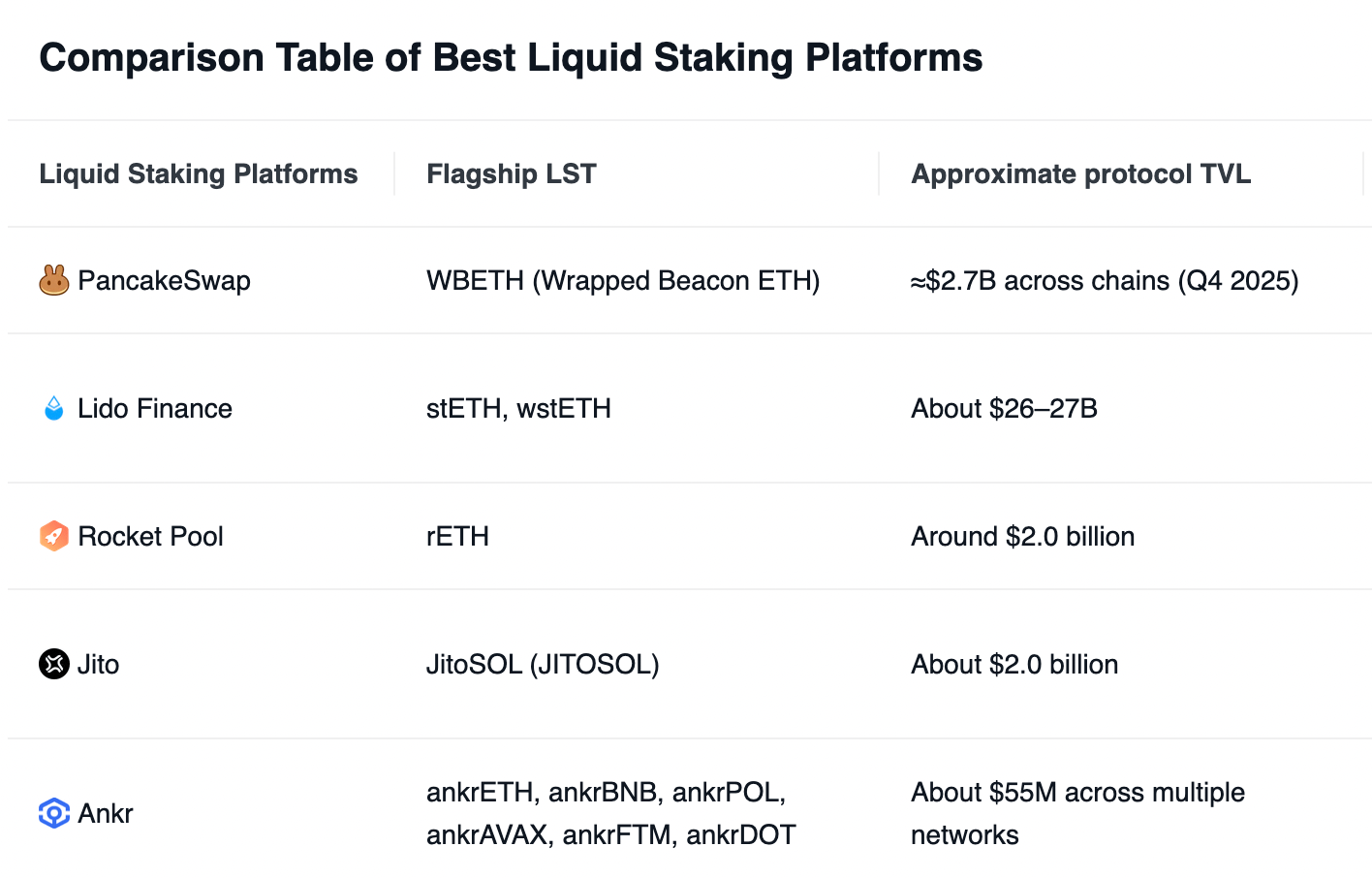

As an Amazon Associate, we may earn from qualifying purchases.
No comments yet. Be the first to share your thoughts!