
Yield stacking is rapidly emerging as the DeFi stacking meta for investors seeking sustainable returns in a dynamic market. By leveraging liquid staking tokens (LSTs), users can earn staking rewards while simultaneously deploying their assets across multiple DeFi protocols. This approach enables the optimization of yield, creating a compounding effect that can significantly enhance portfolio performance, provided risks are managed with discipline.
Why Liquid Staking Tokens Are Reshaping Sustainable DeFi Yield
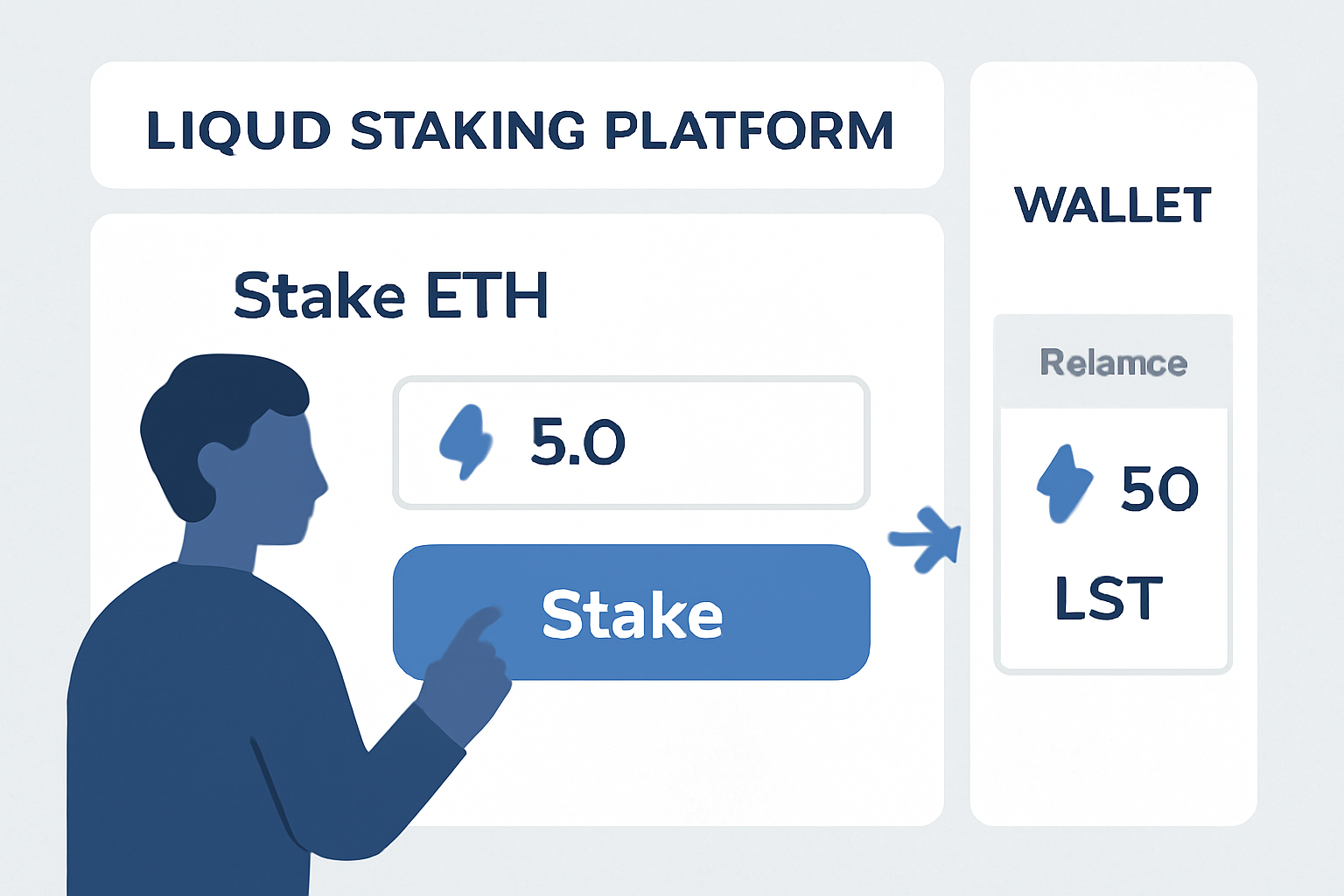
Traditional staking locks your crypto for an extended period, making it inaccessible for other strategies. Liquid staking flips this paradigm: when you stake through a liquid staking protocol, you receive an LST (such as stETH or rETH) that represents your staked position and accrues rewards in real time. This unlocks liquidity without sacrificing yield, allowing investors to participate in additional DeFi opportunities.
Recent regulatory clarity, like the SEC’s green light for liquid staking, has accelerated institutional adoption. Market participants can now stake assets, receive liquid tokens as receipts, and deploy those tokens in secondary markets or protocols without being sidelined by lock-up periods (source: theblock. co). This flexibility is a cornerstone of sustainable staking incentives and is driving capital inflows into the sector.
Core Yield Optimization Strategies with LSTs
The essence of yield stacking lies in layering multiple reward streams on top of your base staking APY. Here are some of the most effective approaches:
How to Stack Yields with Liquid Staking Tokens (LSTs): A Step-by-Step Guide
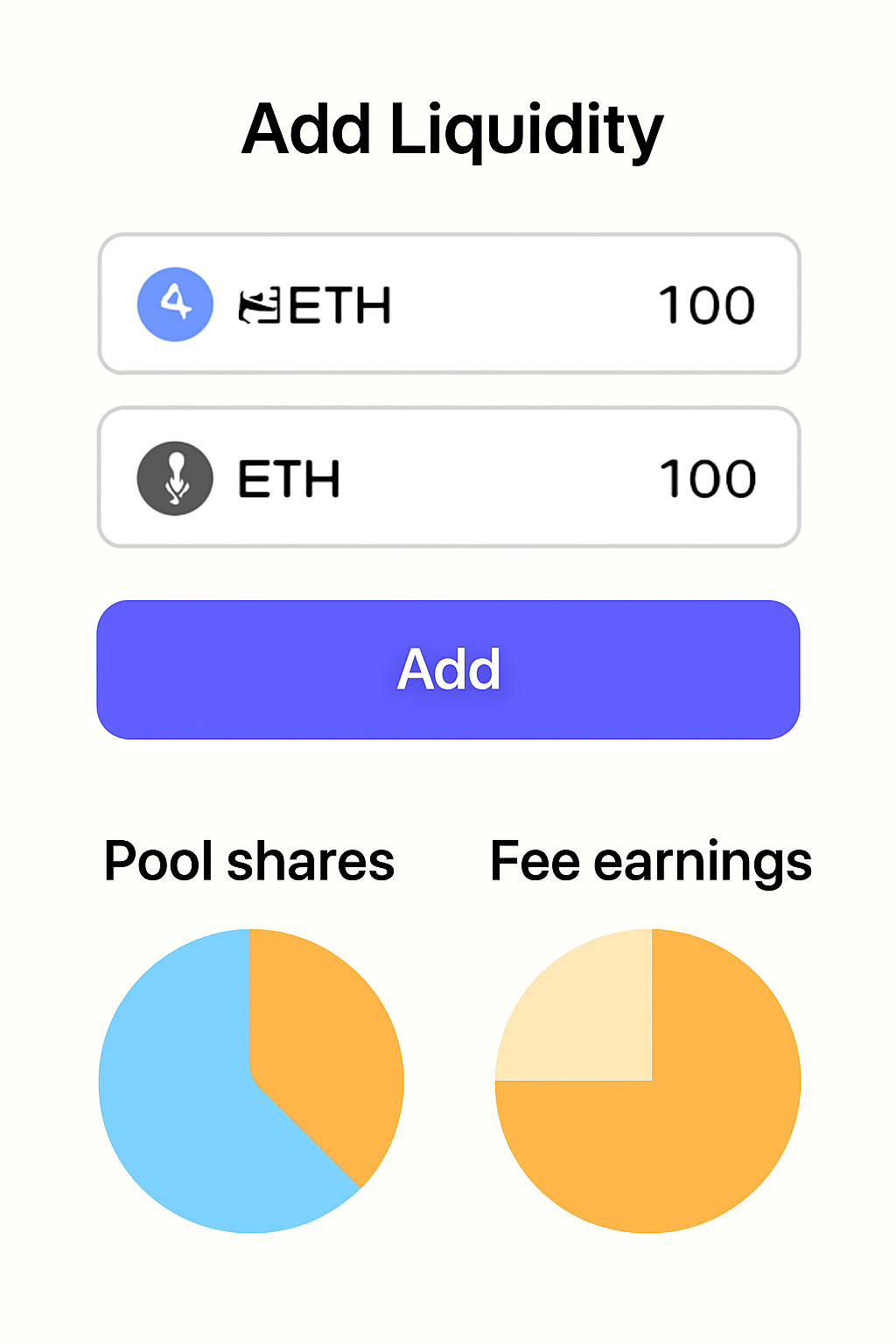
1. Providing Liquidity on Decentralized Exchanges (DEXs):
- How it works: Deposit your LST (e. g. , stETH) into a liquidity pool alongside ETH or another asset.
- Earning potential: Collect transaction fees from trades between these pairs while still accruing base staking rewards.
- Consideration: Be mindful of impermanent loss if price ratios shift significantly.
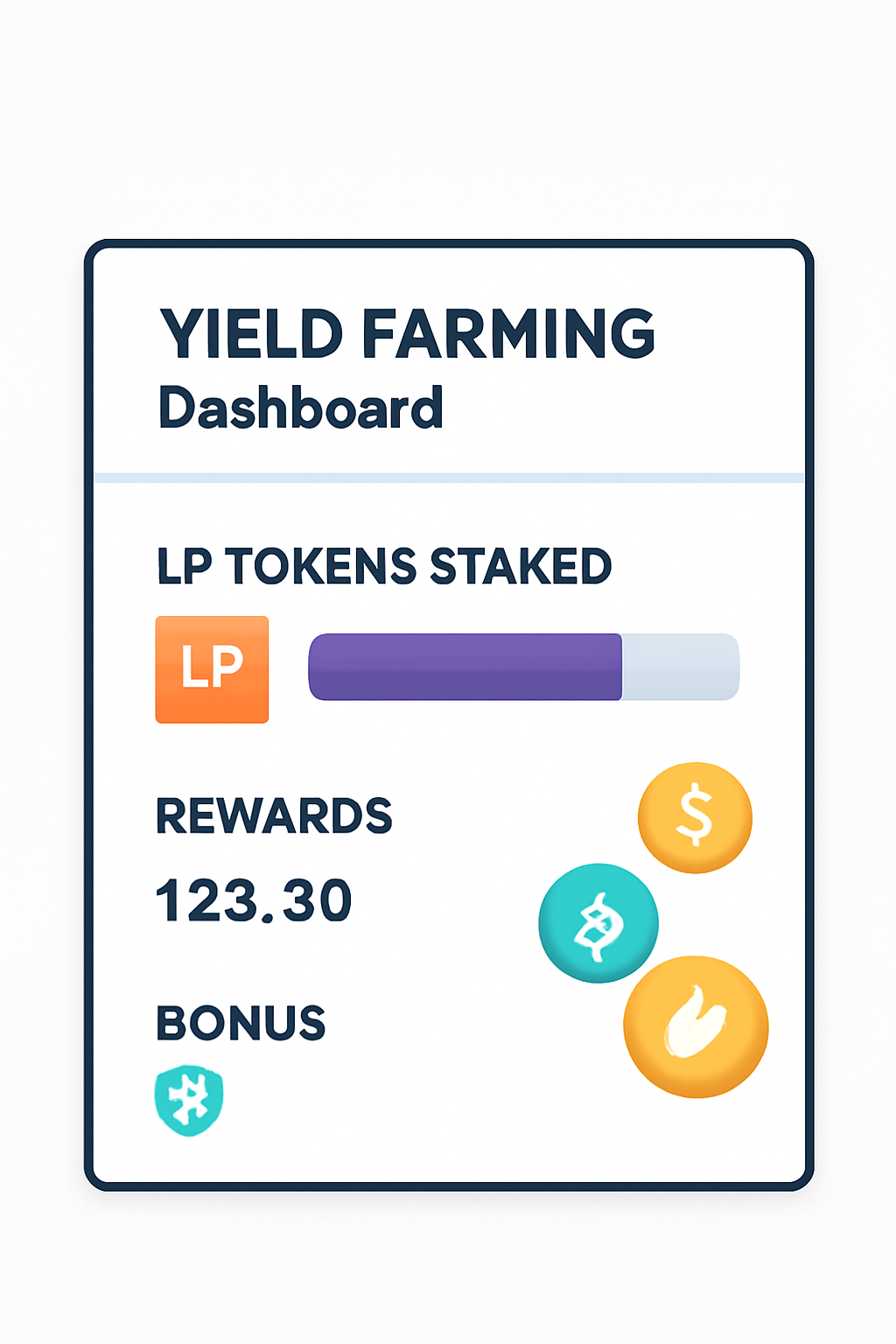
2. Yield Farming with LP Tokens:
- How it works: Stake your LP tokens (received from providing liquidity) into a yield farm to earn extra incentives or governance tokens.
- Earning potential: Layered rewards on top of both trading fees and underlying staking APY.
- Caution: Protocol risk increases as more layers are added; always assess smart contract security before committing capital.
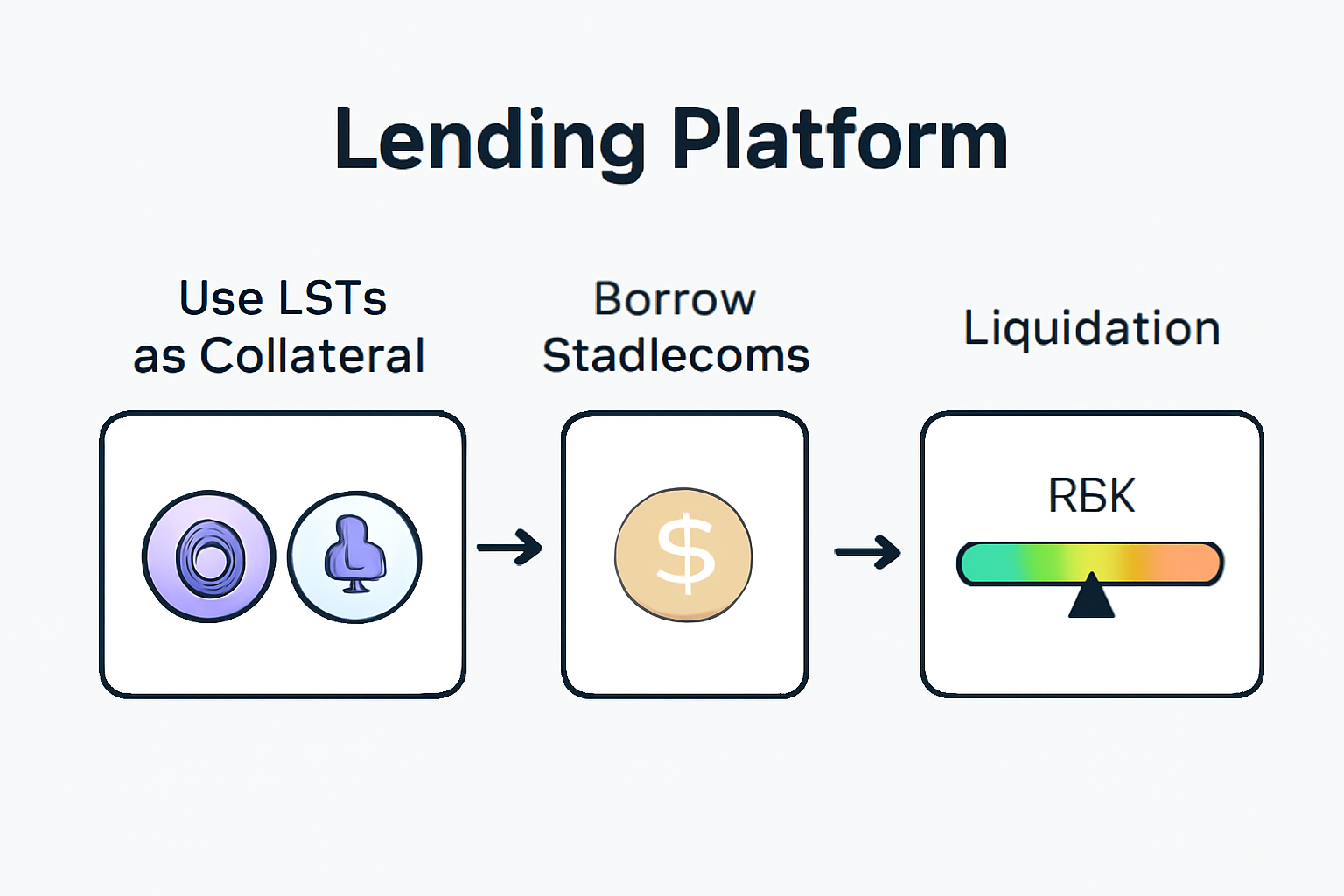
3. Lending and Borrowing Platforms:
- How it works: Use your LST as collateral to borrow stablecoins or other assets while continuing to earn staking rewards on your collateralized position.
- Earning potential: Deploy borrowed funds into further yield strategies or diversify exposure elsewhere in DeFi.
- Caution: Monitor liquidation thresholds closely due to market volatility and fluctuating collateral values.
This multi-layered approach allows disciplined investors to maximize risk-adjusted returns by combining sustainable DeFi yield sources within a single portfolio structure. For more specific examples on how liquidity provision with LSTs boosts both yield and market depth, see this case study: /how-lp-lst-strategies-boost-yield-and-liquidity-in-defi-case-study-olivai-s-stc.
The Mechanics Behind Sustainable Staking Incentives
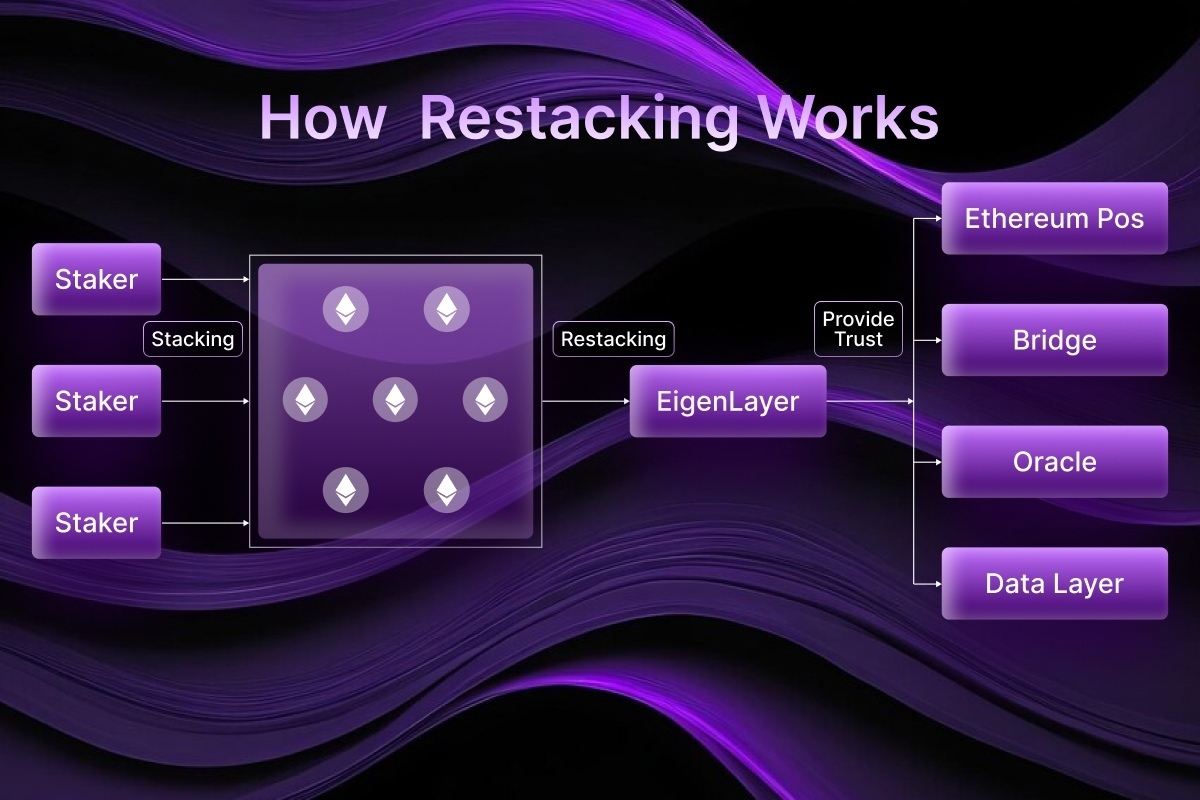
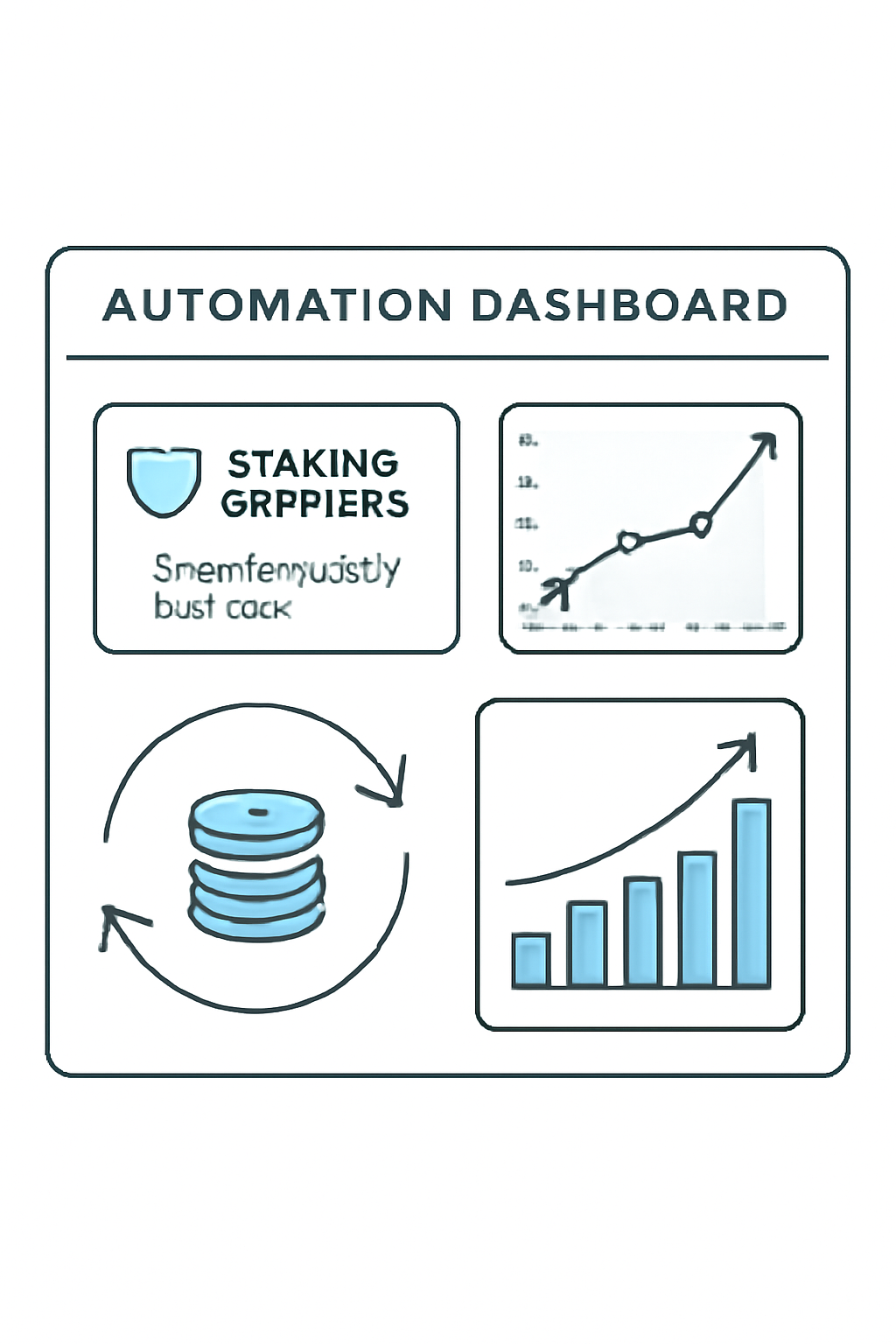
The sustainability of these returns hinges on several factors: protocol design, tokenomics, market demand for trading pairs involving LSTs, and the security posture of underlying smart contracts. Notably, innovations such as automated compounding platforms now allow investors to reinvest earned rewards without manual intervention, further amplifying long-term growth through compound interest effects (a key principle for disciplined portfolio builders). As highlighted by recent research (Sok: Liquid Staking Tokens (LSTs) and Emerging Trends… arXiv), restaking mechanisms also unlock additional layers of incentive by allowing users to pledge their already-staked assets in new protocols.
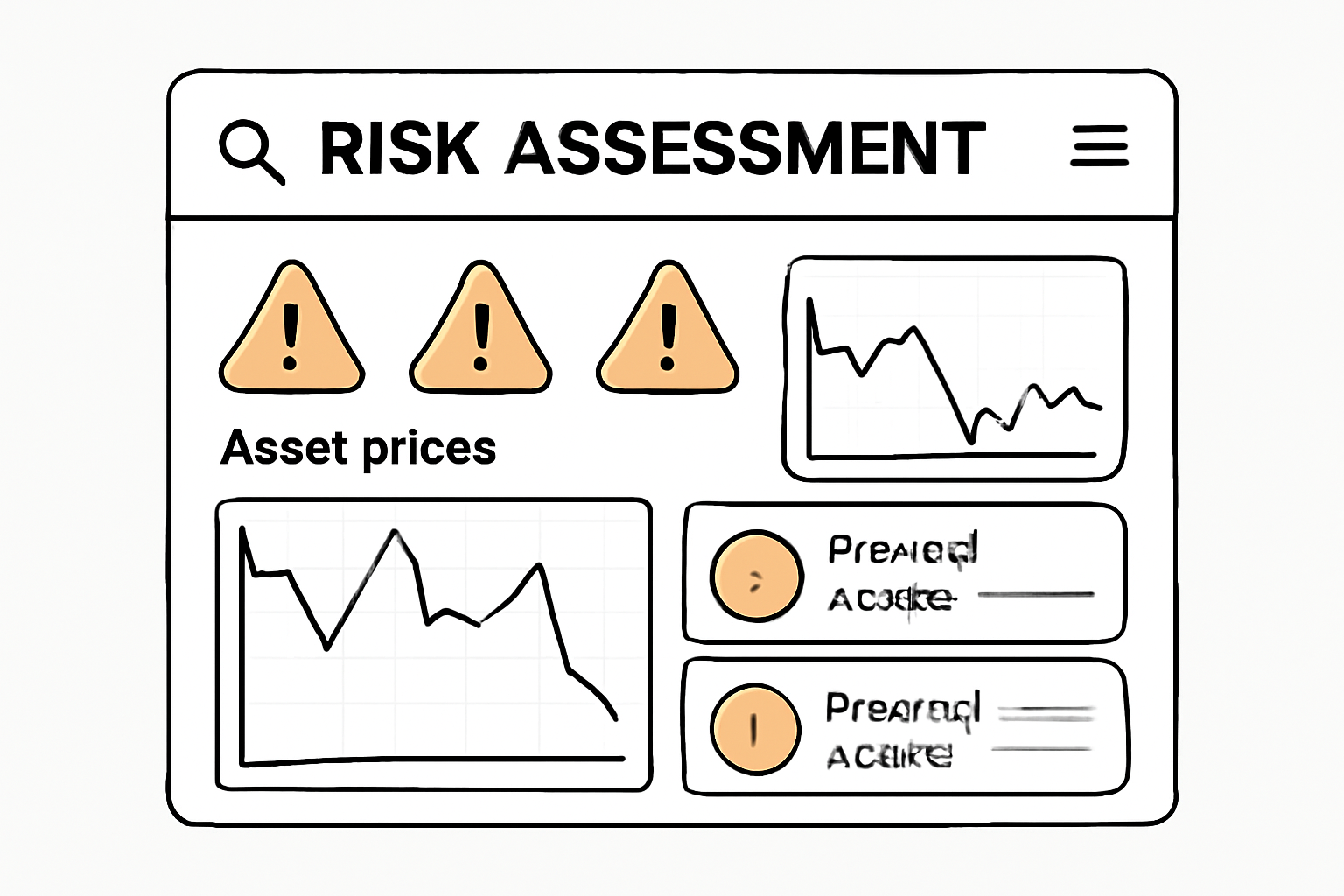
However, the pursuit of sustainable DeFi yield through yield stacking with liquid staking tokens (LSTs) requires a rigorous approach to risk management. Each added layer of strategy introduces new variables, from protocol-specific risks to macro market volatility. Investors must remain vigilant, understanding that while the compounding potential is significant, so too are the complexities involved in multi-protocol deployment.
Balancing Yield Optimization with Risk Control
To optimize for sustainable returns, it is essential to balance aggressive yield strategies with prudent risk controls. Here are several actionable steps for disciplined investors:
1. Diversify Protocol Exposure: Avoid concentrating assets within a single protocol or blockchain. By allocating LSTs across multiple vetted platforms, you reduce exposure to isolated contract failures or governance exploits.
2. Monitor Collateralization Ratios: When using LSTs as collateral on lending platforms, maintain healthy buffer levels above liquidation thresholds. Market swings can be abrupt; automated alerts and conservative loan-to-value ratios help protect your principal.
3. Stay Updated on Protocol Audits: Regularly review audit reports and security updates from protocols where your LSTs are deployed. Favor platforms with transparent bug bounty programs and a track record of quick vulnerability mitigation.
The Role of Restaking and Automated Compounding
The advent of restaking mechanisms adds another dimension to the DeFi stacking meta. By pledging LSTs into restaking protocols, users may unlock additional rewards streams, yet this amplifies smart contract risk and requires careful due diligence on the incentive structure and slashing conditions.
Automated compounding services have also matured significantly over the past year. These platforms reinvest staking rewards at optimal intervals, reducing manual overhead while harnessing the power of exponential growth. However, always assess platform reliability and fee structures to ensure net returns remain attractive after costs.
Key Risks That Can Disrupt Sustainable Staking Incentives
While liquid staking tokens offer flexibility and capital efficiency, several risks can undermine long-term sustainability:
- Smart Contract Vulnerabilities: Exploits remain an ever-present threat in DeFi; use only well-audited protocols.
- Impermanent Loss: Providing liquidity exposes you to price divergence between paired assets, track pool performance regularly.
- LST Depegging Events: If an LST trades below its underlying asset value due to market stress or protocol issues, both stakers and liquidity providers can suffer losses.
- Lending Liquidations: Rapid price drops may trigger forced sales if collateral values fall below safety margins, maintain conservative leverage levels.
Diligence is the foundation of every portfolio: sustainable returns demand constant monitoring and adaptation as DeFi evolves.
Sustainable DeFi Yield: The Road Ahead
The maturation of liquid staking tokens is reshaping how both retail and institutional participants approach yield optimization strategies in decentralized finance. As regulatory frameworks evolve and new innovations like restaking gain traction, disciplined investors who prioritize security and adaptability will be best positioned to capture sustainable returns over the long term.
The future of yield stacking will likely see continued integration between staking incentives and broader DeFi primitives, expanding opportunities but also demanding greater sophistication from participants. For those willing to invest in due diligence and ongoing education, liquid staking remains one of the most promising frontiers for resilient portfolio growth in crypto finance.




No comments yet. Be the first to share your thoughts!