
Imagine holding SOL at its current price of $142.74, watching that subtle 24-hour dip of -0.94% from a high of $144.10, yet knowing your stack is quietly compounding yields in the background. In 2025, Solana's staking scene is buzzing with opportunity, pitting straightforward native SOL staking against the dynamic world of liquid staking tokens (LSTs). Native staking delivers a solid 6-8% APY through validators, but it ties up your funds for 2-3 days on unstake. LSTs flip the script, handing you tradable tokens like JitoSOL or mSOL that keep earning base rewards while unlocking DeFi doors for extra yield stacking. This isn't just about parking SOL; it's about supercharging returns in a high-speed ecosystem.
Why does this matter for DeFi stackers? Native SOL is reliable, low-risk, perfect for set-it-and-forget-it types. But LSTs? They let you lend, swap, or farm on platforms like Kamino or Marginfi, layering on rewards that push APYs higher. JitoSOL, for instance, boasts around 9.75% thanks to MEV boosts, outpacing native yields. We're diving into a head-to-head on Solana LST yield comparison, spotlighting the top 7 by TVL and relevance: JitoSOL, mSOL, bSOL, stSOL, jupSOL, bpSOL, and dSOL.
Native SOL Staking: The Steady Foundation
Staking SOL natively means delegating to validators via wallets like Phantom or Backpack. You lock in that 6-8% APY from network rewards, with over 69% of SOL's $30.53 billion market cap already staked at $27.62 billion. It's battle-tested, minimal smart contract risk, and validators compete fiercely for your stake. Bitwise's spot SOL ETF even stakes 100%, highlighting a projected 7% yield. Drawbacks? Illiquidity during unstake epochs kills flexibility for DeFi plays. If you're risk-averse and prioritizing stability at $142.74 SOL, native is your anchor.
Solana's staking ratio sits at 69.18%, proving massive adoption even as prices fluctuate.
LSTs Unleash DeFi Superpowers on Solana
Liquid staking transforms staked SOL into fungible tokens, blending staking rewards with liquidity. Deposit SOL, get an LST back, trade it anywhere, and still earn. Deploy into yield farms or lending for compounded gains. Sanctum. so crowns these as the best Solana liquid staking tokens 2025, with Marinade and Jito leading the pack. Risks like smart contract bugs or peg slips exist, but audited protocols minimize them. For JitoSOL vs mSOL DeFi fans, LSTs mean freedom to stack without selling.

Here's the top 7 lineup dominating TVL and yields:
Top 7 Solana LSTs for 2025
- #1 JitoSOL: Leading LST with ~9.75% APY from staking + MEV rewards. Massive TVL, deep liquidity for DeFi stacking.
- #2 mSOL (Marinade): Reliable ~6.71-8.5% APY, strong liquidity across Solana DEXs. Great for yield optimization.

- #3 bSOL (BlazeStake): Rapidly rising with competitive APYs around 7-9%, focus on efficient staking and liquidity.
- #4 stSOL (Stader): ~7% APY with multi-chain support, excellent for liquid DeFi plays without lockups.

- #5 jupSOL (Jupiter): Aggregator-powered LST, enhanced yields via optimized routing, top for Jupiter ecosystem users.

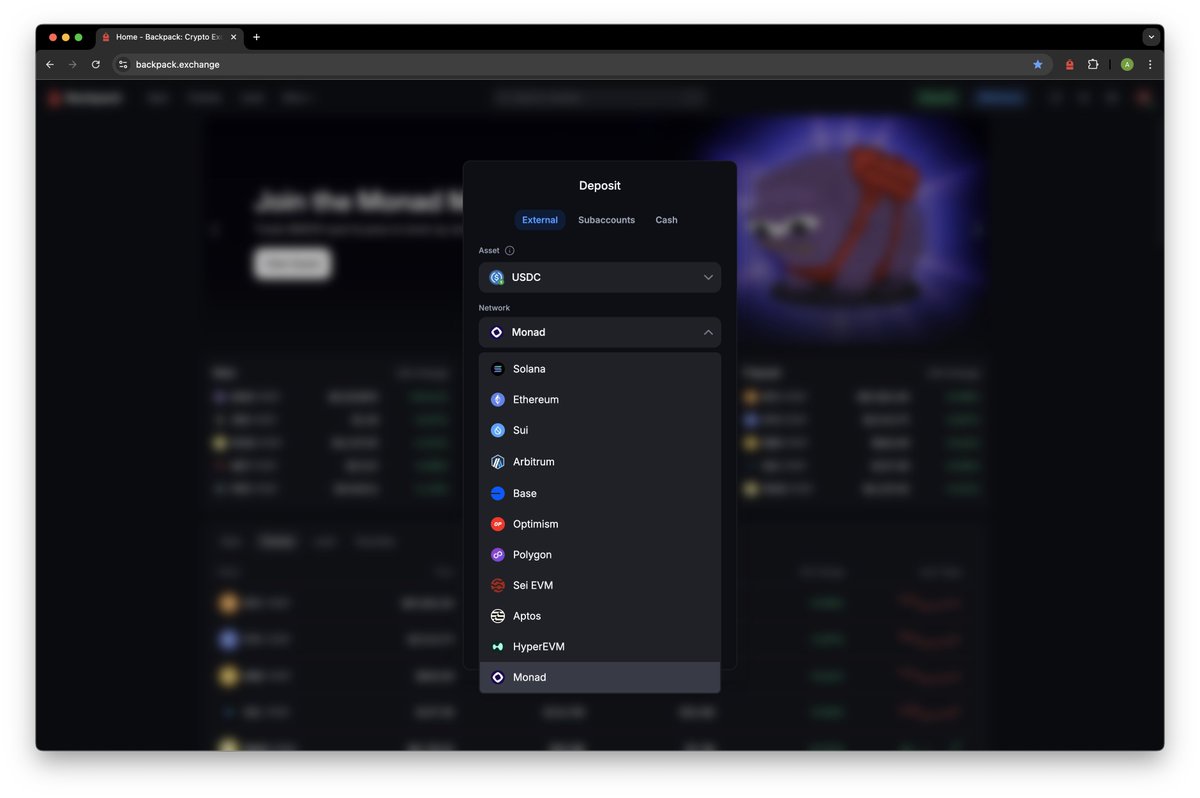
- #6 bpSOL (Backpack): Wallet-integrated staking, ~7% APY with seamless liquidity and user-friendly DeFi access.
- #7 dSOL (Drift): Protocol-specific LST, ~6.6% APY, tailored for perps trading and leveraged yield strategies.

Yield Breakdown: How Top LSTs Stack Up Against Native SOL
Let's crunch numbers for Solana LST stacking strategies. Native SOL hovers at 7% average. JitoSOL surges ahead at 9.75% via MEV rewards on 15.1 million SOL staked ($2.6 billion equivalent). Marinade's mSOL delivers 8.467% (Solana Compass data), blending staking with DeFi composability. BlazeStake's bSOL rises fast, offering competitive rates around 8% with restaking vibes. stSOL from Sanctum provides seamless infinity pooling for extra boosts. Jupiter's jupSOL ties into aggregator liquidity, yielding strong in volatile markets. Backpack's bpSOL emphasizes user-friendly access, while Drift's dSOL hits 6.60% but shines in perps trading integration. Check this guide for deeper stacking tactics.
Solana (SOL) Price Prediction 2026-2031
Projections including LST yields vs Native SOL staking for DeFi strategies (Current 2025 price: $142.74)
| Year | Minimum Price | Average Price | Maximum Price | Native APY (%) | LST APY (%) |
|---|---|---|---|---|---|
| 2026 | $130 | $220 | $380 | 6.8% | 9.2% |
| 2027 | $180 | $320 | $550 | 6.7% | 8.8% |
| 2028 | $250 | $480 | $850 | 6.6% | 8.3% |
| 2029 | $320 | $650 | $1,200 | 6.5% | 7.8% |
| 2030 | $400 | $850 | $1,600 | 6.4% | 7.2% |
| 2031 | $500 | $1,100 | $2,100 | 6.3% | 6.7% |
Price Prediction Summary
Solana's price is forecasted to experience strong growth from 2026-2031, driven by DeFi expansion, LST adoption, and network upgrades, with average prices rising from $220 to $1,100. LSTs maintain a yield premium over native staking (1-2% higher APY), offering liquidity for stacking despite added risks. Bullish scenario assumes bull market cycles and ETF inflows; bearish reflects regulatory hurdles or competition.
Key Factors Affecting Solana Price
- DeFi TVL growth and LST protocol dominance (JitoSOL, mSOL)
- Solana ETF staking rewards boosting demand
- Network scalability via Firedancer and upgrades
- Regulatory clarity on staking derivatives
- MEV rewards sustaining LST yield edge
- Market cycles with Bitcoin halving influences
- Competition from Ethereum L2s and emerging L1s
Disclaimer: Cryptocurrency price predictions are speculative and based on current market analysis. Actual prices may vary significantly due to market volatility, regulatory changes, and other factors. Always do your own research before making investment decisions.
JitoSOL edges out as the yield king for aggressive stackers, its MEV edge adding 1-2% over native. mSOL balances liquidity and returns, ideal for lending loops. Newer stars like bSOL and jupSOL gain traction with rapid TVL growth, signaling 2025 shifts. Native SOL suits purists, but LSTs amplify liquid staking Solana APY potential up to 10% and when stacked right. Which fits your risk appetite?
To pick your winner in this Solana LST yield comparison, factor in how you'll deploy. Native SOL shines for pure holding, but LSTs open yield stacking playgrounds. Picture lending JitoSOL on Marginfi for 2-3% extra, or farming mSOL on Kamino for multipliers. These layers can push total APYs past 15% in bull runs, far beyond native's steady 7%.
Risk Radar: Navigating LST Pitfalls vs Native Safety
Don't get blinded by shiny yields; LSTs pack smart contract risks absent in native staking. A protocol exploit could dent your LST value, unlike validator delegation's proven track record. Peg stability matters too, JitoSOL holds tight but slippage hits newer ones like dSOL during volatility. Native SOL? Near-zero counterparty risk, just validator slashing (rare at and lt;0.01%). At SOL's $142.74 price, a 2-3 day unstake feels trivial against LST impermanent loss in volatile farms. My take: Allocate 70% LSTs for growth, 30% native for ballast. Sanctum's infinity pooling with stSOL mitigates some risks via shared liquidity.
Solana LSTs vs Native SOL: Yield Comparison for DeFi Stacking 2025
| Token | APY (%) | TVL Rank | Key Risks | Liquidity Score | DeFi Integrations |
|---|---|---|---|---|---|
| Native SOL | 6-8% | N/A | 2-3 day unstaking delay, validator risks | Medium (5/10) | Limited 🚫 |
| JitoSOL | 9.75% | 1 | Smart contract, MEV strategy risks | Excellent (10/10) | Jito, DEX, Lending, Restaking 🪙📈🔄⚡ |
| mSOL | 6.71% | 2 | Smart contract vulnerabilities, depeg risk | High (9/10) | Marinade, Orca, Kamino 🐳🌀💰 |
| bSOL | 8.2% | 3 | Protocol growth risks, contract exploits | High (9/10) | BlazeStake, Raydium, Marginfi ☀️🏦 |
| stSOL | 7.8% | 4 | Smart contract risk, lower adoption | Good (8/10) | Sanctum, DEX 🔄🪙 |
| jupSOL | 8.0% | 5 | Integration dependencies, depeg | Good (8/10) | Jupiter, Swaps, Yield 🔄📈 |
| bpSOL | 7.5% | 6 | Emerging protocol risks | Fair (7/10) | Backpack, Basic DeFi 🪙💰 |
| dSOL | 6.60% | 7 | Smart contract, low TVL risks | Fair (7/10) | Drift, Lending 🏦📈 |
BlazeStake's bSOL tempts with restaking hooks, but watch activation delays. jupSOL leverages Jupiter's swaps for seamless entry, bpSOL suits Backpack wallet users chasing simplicity. Datawallet ranks these high for 2025 yields, blending native-like base with DeFi alpha.
Stacking Blueprints: Real-World LST Strategies Crushing Native Yields
Ready to stack? Start simple: Swap half your SOL to JitoSOL, lend on Save Finance for 10% and blended APY. Advanced? Loop mSOL into Kamino liquidity pools, earning trading fees atop staking. For Solana LST stacking strategies, pair stSOL with Sanctum's restaking for compounded infinity yields. jupSOL thrives in perpetuals on Drift, mirroring dSOL's niche. bSOL and bpSOL excel in multi-protocol farms, hitting 12-18% in optimized setups. Native can't touch that composability. Dive into yield stacking tactics here for step-by-steps. With SOL at $142.74 dipping mildly, now's prime entry before rebounds amplify LST gains.
MEV from JitoSOL alone adds 1-2% edge, turning good yields great.
These protocols evolve fast; Jito leads TVL at 15.1 million SOL, but Marinade's mSOL TVL surges with DeFi integrations. Track via Solana Compass for live APYs, as liquid staking Solana APY fluctuates with network activity.
Choosing between native SOL and LSTs boils down to your DeFi hunger. Crave stability amid $142.74 price swings? Delegate natively. Chase alpha? Load up JitoSOL or mSOL, stack aggressively, and watch yields compound. 2025's Solana heats up with ETF inflows and LST innovation, positioning these top 7 as must-haves. Experiment small, monitor dashboards, and scale winners. Your portfolio's next level awaits, stack smart and thrive in this liquid staking revolution.




No comments yet. Be the first to share your thoughts!