

In the fast-paced world of Solana DeFi, where speeds rival traditional finance and yields beckon from every corner, liquid staking derivatives (LSDs) stand out as a game-changer for savvy investors. Imagine staking your SOL to secure the network, earning steady rewards, yet keeping your capital fluid for DeFi plays like lending or liquidity provision. That's the promise of Solana LSD liquid staking, letting you stake once, stay liquid, and maximize yields. With SOL trading at $121.38 after a 4.58% dip in the last 24 hours, now's a prudent moment to explore how these protocols blend security with opportunity.
Solana's ecosystem has matured, boasting a DeFi TVL that hit $9.19 billion late last year. Protocols like LSD, an AI-driven optimizer, are pushing boundaries with autonomous yield allocation across smart pools. This isn't just hype; it's a shift toward capital efficiency. Traditional staking locks your SOL with validators, yielding around 6-8% APY, but LSDs like mSOL or JitoSOL supercharge that by enabling solana lst yield stacking. You stake SOL, get LSTs in return, and deploy them elsewhere for compounded returns, all while mitigating some risks through decentralized validator selection.
Why Solana LSDs Outpace Native Staking
Native Solana staking is reliable, delegating to validators for network security and modest yields. But it ties up your assets. Enter LSDs: protocols that mint liquid tokens representing your stake. These LSTs accrue staking rewards passively and trade freely, unlocking composability. Take Marinade Finance's mSOL, the pioneer on Solana. It auto-rebalances across top validators, dodging centralization pitfalls. JitoSOL leverages MEV strategies for boosted yields, often edging out competitors. Lido's stSOL brings Ethereum-proven governance to Solana, while emerging players like LSD protocol promise 15% higher annualized returns via AI smarts.
Solana's DeFi TVL reached $9.19B in late 2025, with LSDs capturing share through superior yields.
In my experience managing portfolios, this liquidity premium is invaluable during volatility. With SOL at $121.38, LSTs let you hedge dips by lending on Solend or farming on Raydium, turning passive staking into active income streams. Yet, conservatism reigns: always weigh smart contract risks and validator slashing potential.
Leading Solana Liquid Staking Platforms in 2026
Choosing the right platform is key to lsd protocol solana yields. Here's the top tier:
- Marinade Finance (mSOL): First mover with decentralized staking pools. Stake SOL, get mSOL that earns while usable in DeFi. Ideal for yield stackers seeking stability.
- Jito (JitoSOL): MEV-powered for enhanced APYs. Largest by TVL, perfect if you prioritize max extraction without sacrificing liquidity.
- Lido (stSOL): DAO-governed, battle-tested. Bridges Solana with broader LST strategies, eyeing tailor-made yields akin to upcoming Lido v3.
- LSD Protocol: AI-assisted allocator, surging in price and buzz. Autonomously shifts staked SOL for optimal returns, a fresh paradigm.
These aren't equal; Jito's MEV edge suits aggressive plays, while Marinade's rebalancing fits my steady-hand philosophy. Check our yield stacking guide for deeper tactics.
Solana (SOL) Price Prediction 2027-2032
Forecasts for SOL and top Liquid Staking Tokens (LSTs) like mSOL and JitoSOL, based on Q1 2026 market data ($121.38 baseline), DeFi growth, and LST adoption trends
| Year | Minimum Price (USD) | Average Price (USD) | Maximum Price (USD) | YoY % Change (Avg from Prior) |
|---|---|---|---|---|
| 2027 | $140 | $320 | $580 | +113% (from 2026 ~$150) |
| 2028 | $260 | $520 | $950 | +63% |
| 2029 | $420 | $880 | $1,550 | +69% |
| 2030 | $650 | $1,350 | $2,300 | +53% |
| 2031 | $950 | $1,950 | $3,100 | +44% |
| 2032 | $1,350 | $2,650 | $4,100 | +36% |
Price Prediction Summary
Solana (SOL) is projected to experience substantial growth from 2027-2032, driven by expanding liquid staking adoption (e.g., mSOL, JitoSOL) and Solana's DeFi TVL surpassing $10B+. Average prices could climb from $320 in 2027 to $2,650 by 2032 in bullish scenarios, with LSTs tracking SOL closely (0-5% premium due to yields). Bearish mins account for market corrections, while maxes reflect bull cycles, ETF inflows, and scalability upgrades. LSTs enhance capital efficiency, amplifying upside via DeFi composability.
Key Factors Affecting Solana Price
- Solana DeFi TVL growth and LST dominance (Marinade mSOL, Jito JitoSOL yields 6-15%+ via MEV/AI)
- Market cycles aligned with BTC/ETH halvings and adoption waves
- Regulatory clarity on staking/ETFs boosting institutional inflows
- Technological upgrades (e.g., Firedancer, ZK compression) improving scalability
- Competition from Ethereum Lido v3 but Solana's speed/TPS advantage
- Risks: smart contract vulnerabilities, validator slashing, macro downturns
Disclaimer: Cryptocurrency price predictions are speculative and based on current market analysis. Actual prices may vary significantly due to market volatility, regulatory changes, and other factors. Always do your own research before making investment decisions.
Getting Started: Stake SOL and Stay Liquid
Ready to dive in? Start with Marinade for its simplicity and track record. Head to their site, connect your Phantom or preferred Solana wallet, select liquid staking, input your SOL amount (say, eyeing that $121.38 price point), and confirm. Instantly, mSOL lands in your wallet, accruing rewards.
From there, amplify with DeFi: supply mSOL to Solend for lending yields, pair with USDC on Raydium for LP fees, or collateralize in perps. This stake SOL stay liquid DeFi flow can layer 10-20% extra APY atop base staking. But pace yourself; I've seen over-leveraging erode gains in downturns. Monitor LST prices, as they track SOL closely but with yield accrual baked in.
| Platform | LST Token | Key Feature | Est. APY Boost |
|---|---|---|---|
| Marinade | mSOL | Auto-rebalance | and 2-4% |
| Jito | JitoSOL | MEV | and 4-6% |
| Lido | stSOL | DAO Gov | and 1-3% |
These boosts reflect real-world performance atop Solana's baseline 6-8% staking APY, but they fluctuate with network activity and MEV opportunities. JitoSOL often leads during high-volume periods, while mSOL's consistency appeals to long-term holders like myself. Always verify live rates on platforms, as liquid staking tokens Solana evolve rapidly.
Unlocking Solana LST Yield Stacking
Where LSDs truly shine is in solana lst yield stacking, layering DeFi protocols atop your LSTs for compounded returns. Picture this: your mSOL earns staking rewards passively, then you supply it to Solend for 5-10% lending APY, or pair it in a Raydium pool capturing trading fees. JitoSOL's MEV kicker pairs beautifully with perps on Drift, where collateral efficiency turns modest stakes into robust income. I've structured portfolios this way, preserving capital amid SOL's $121.38 price holding firm despite the 4.58% 24-hour slide.
Stack Yields on Solana: SOL → mSOL (Marinade) → Solend Lending → Raydium mSOL-USDC LP
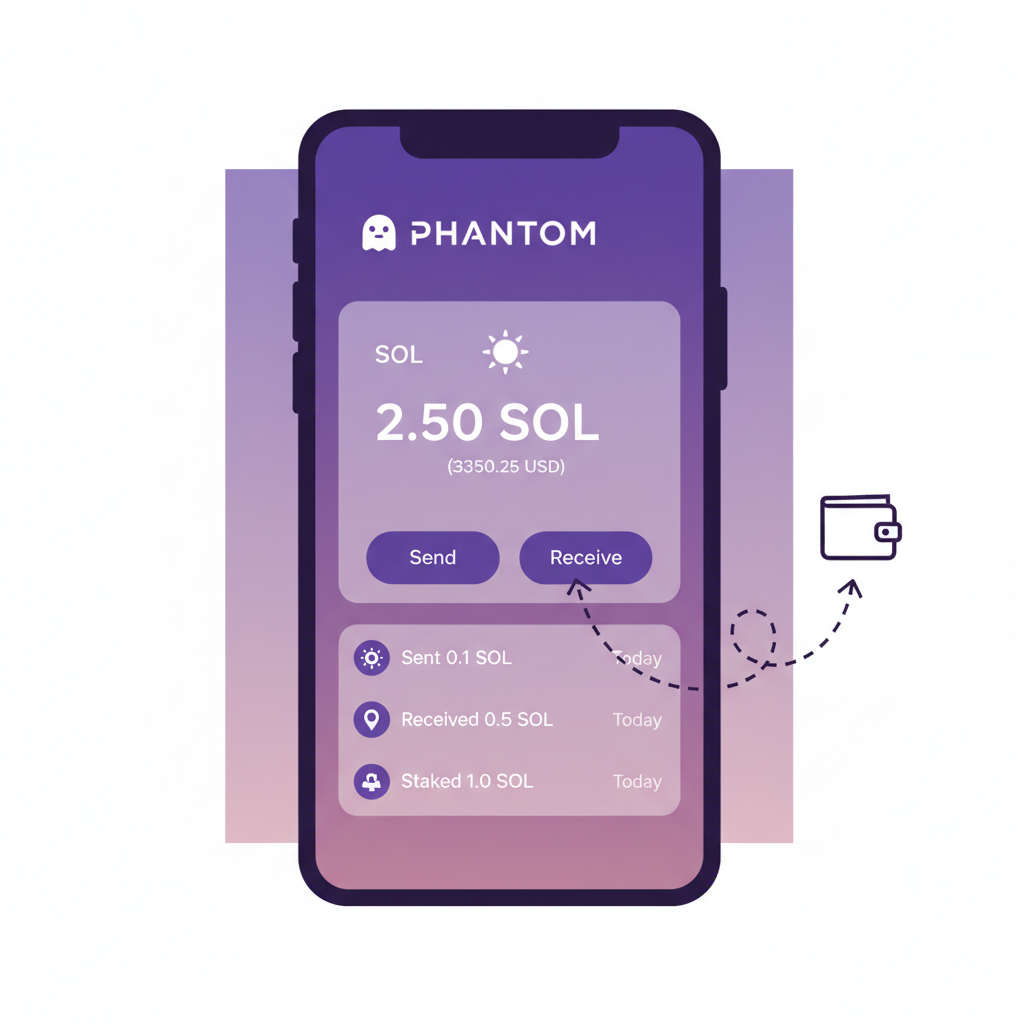

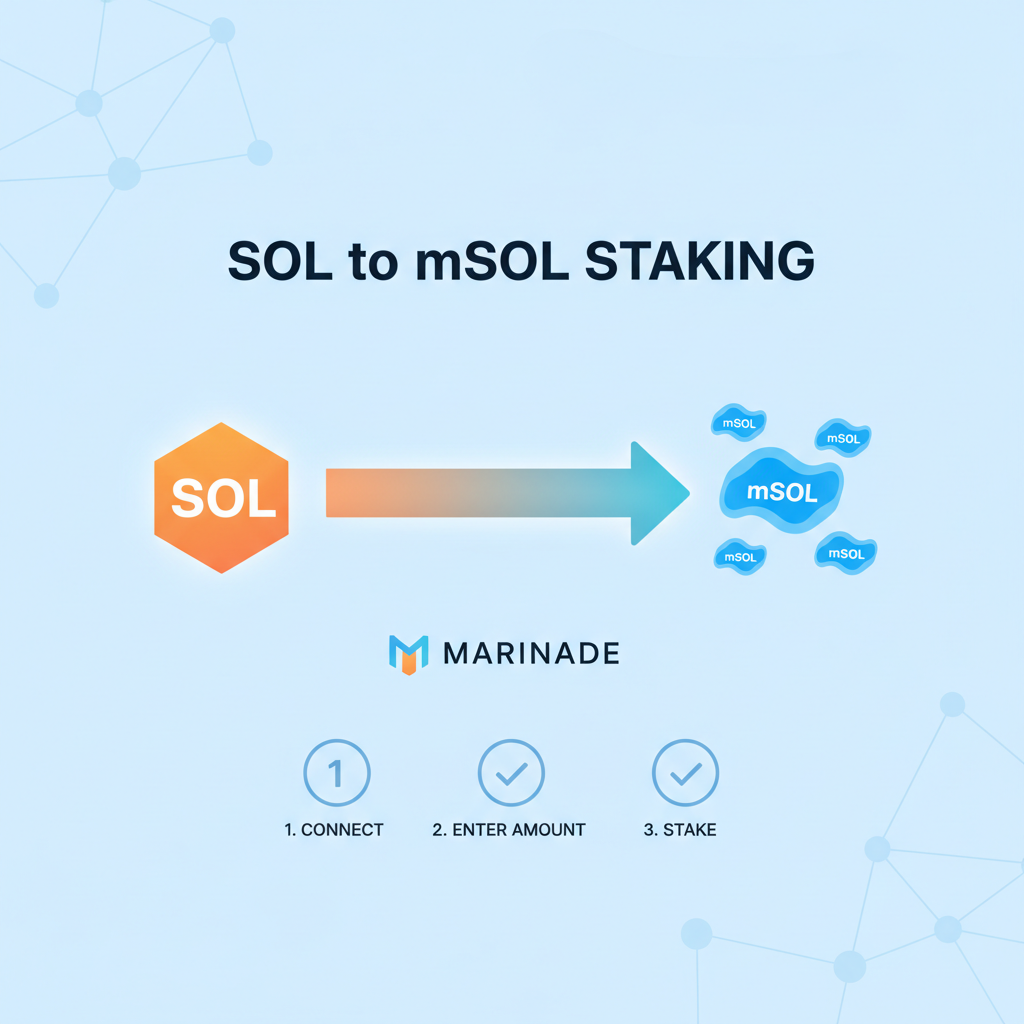
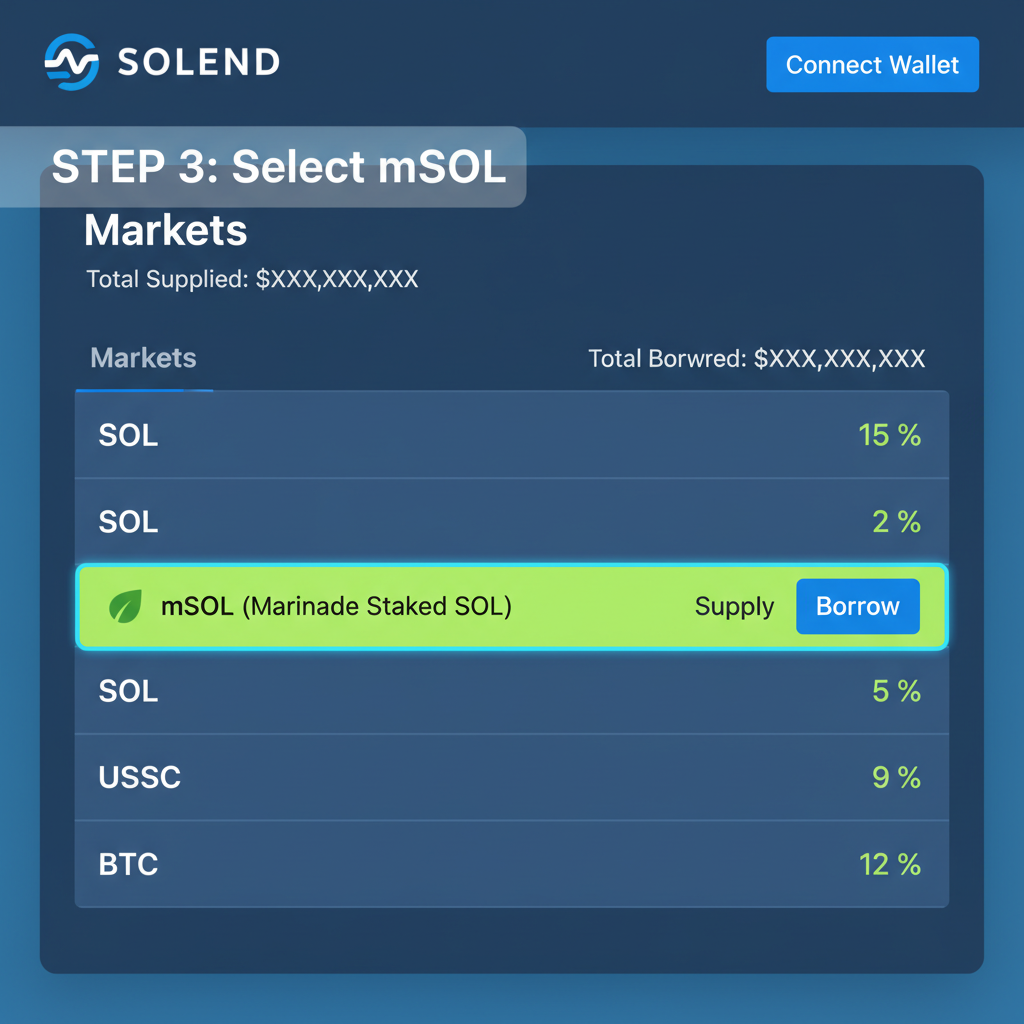
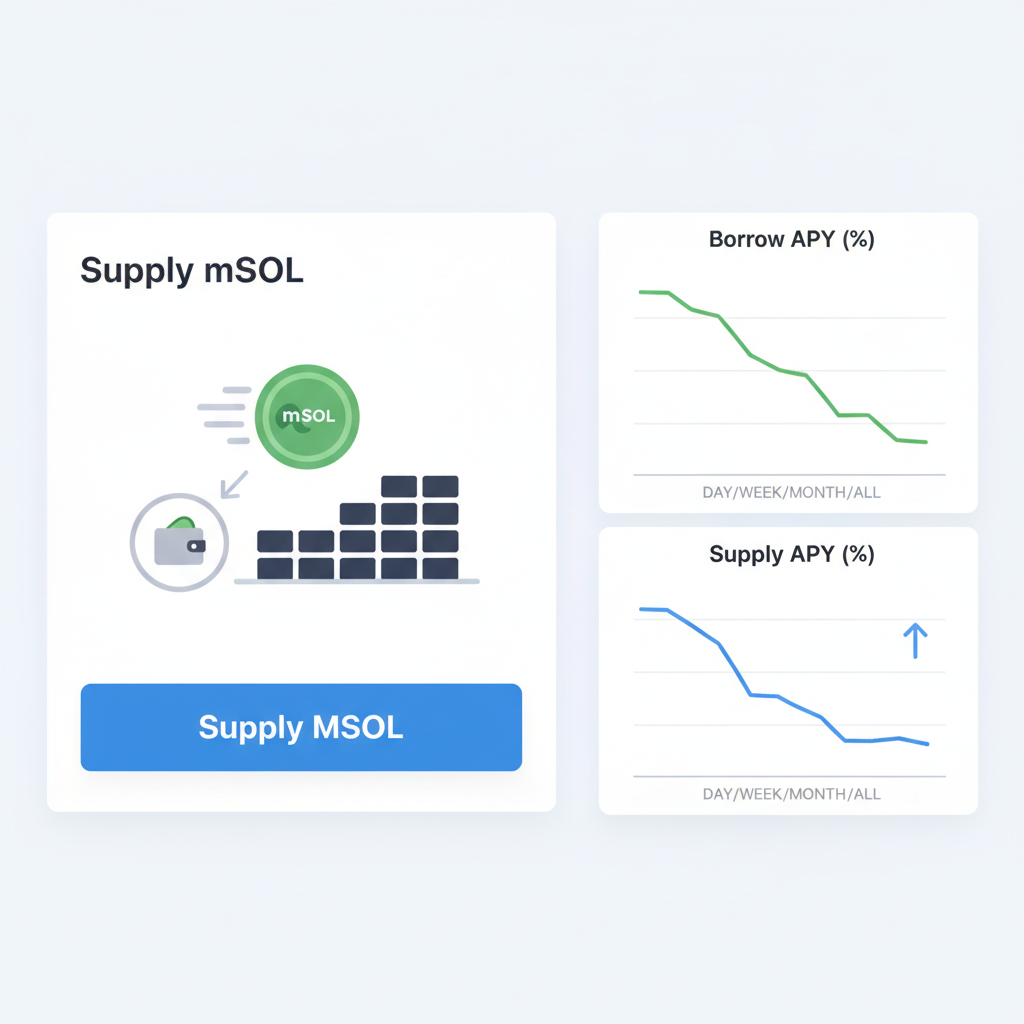
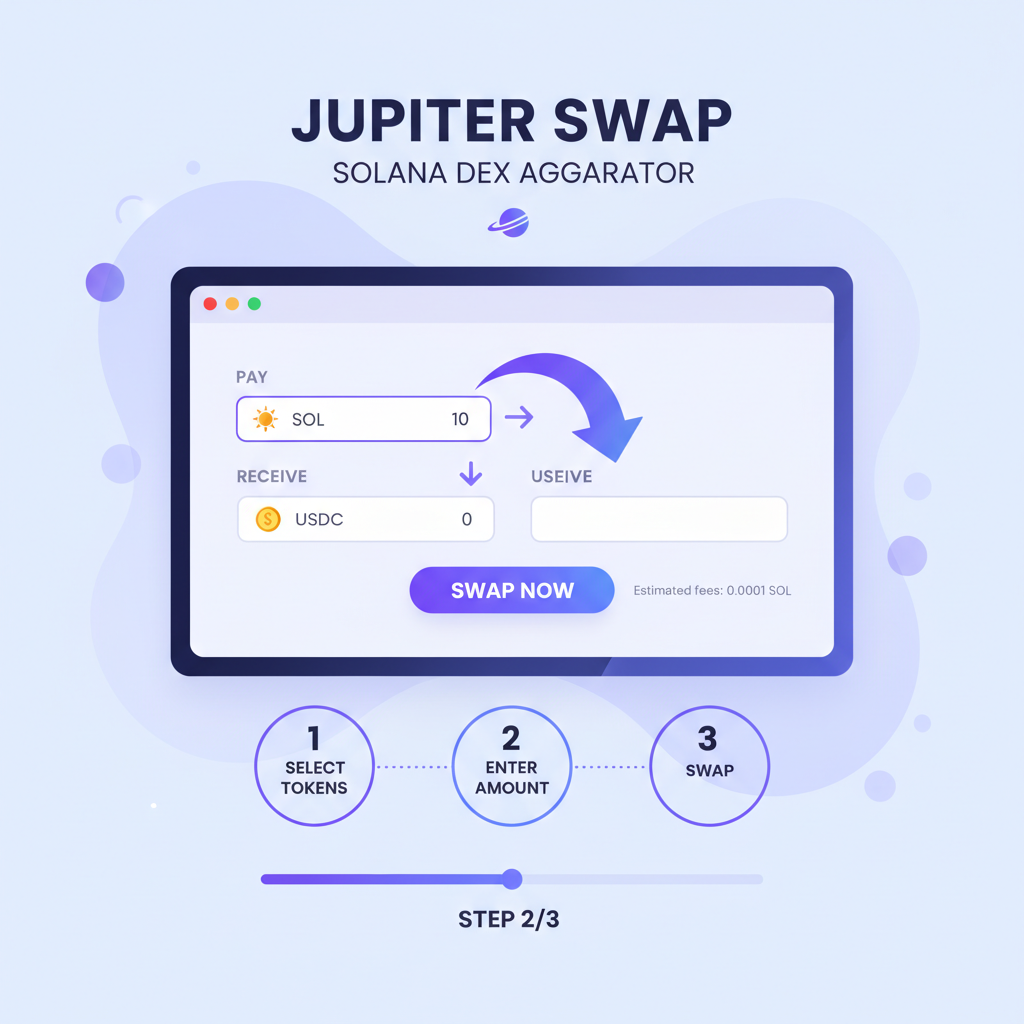
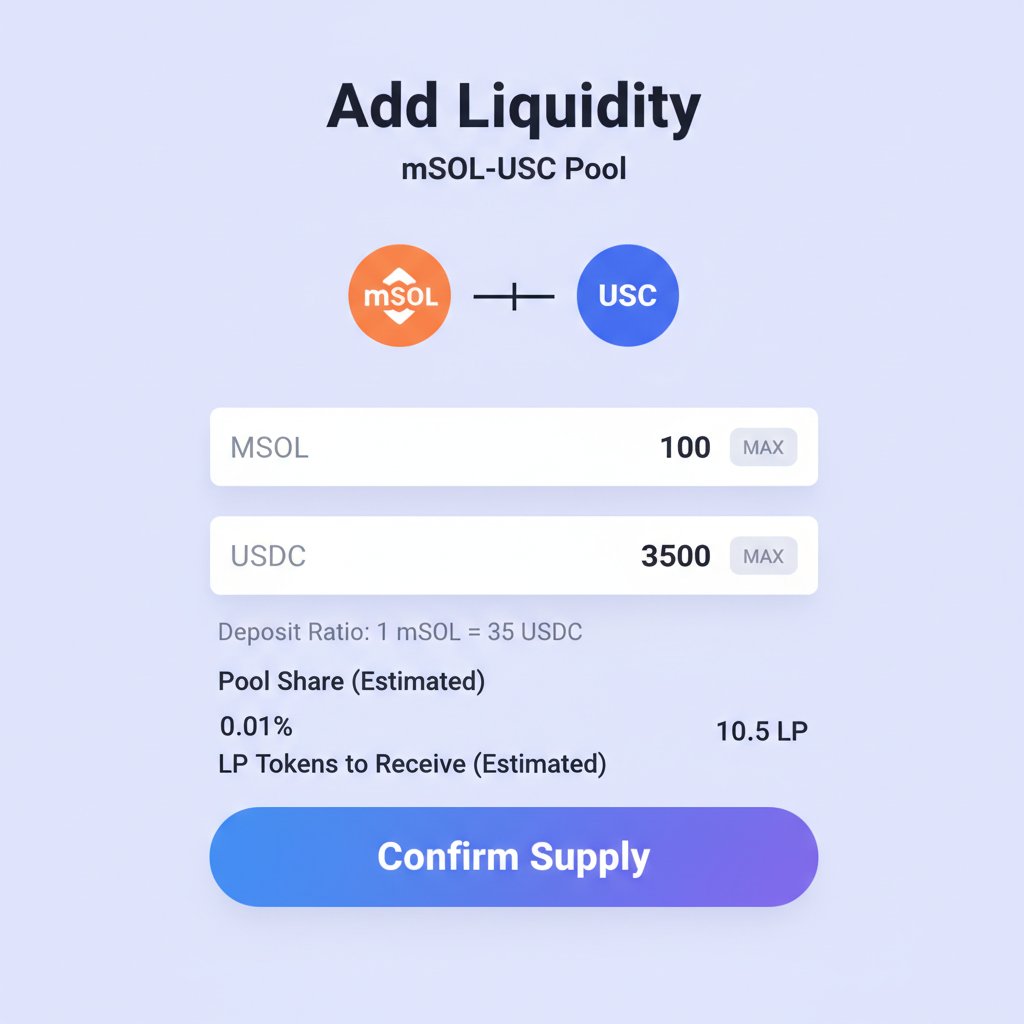
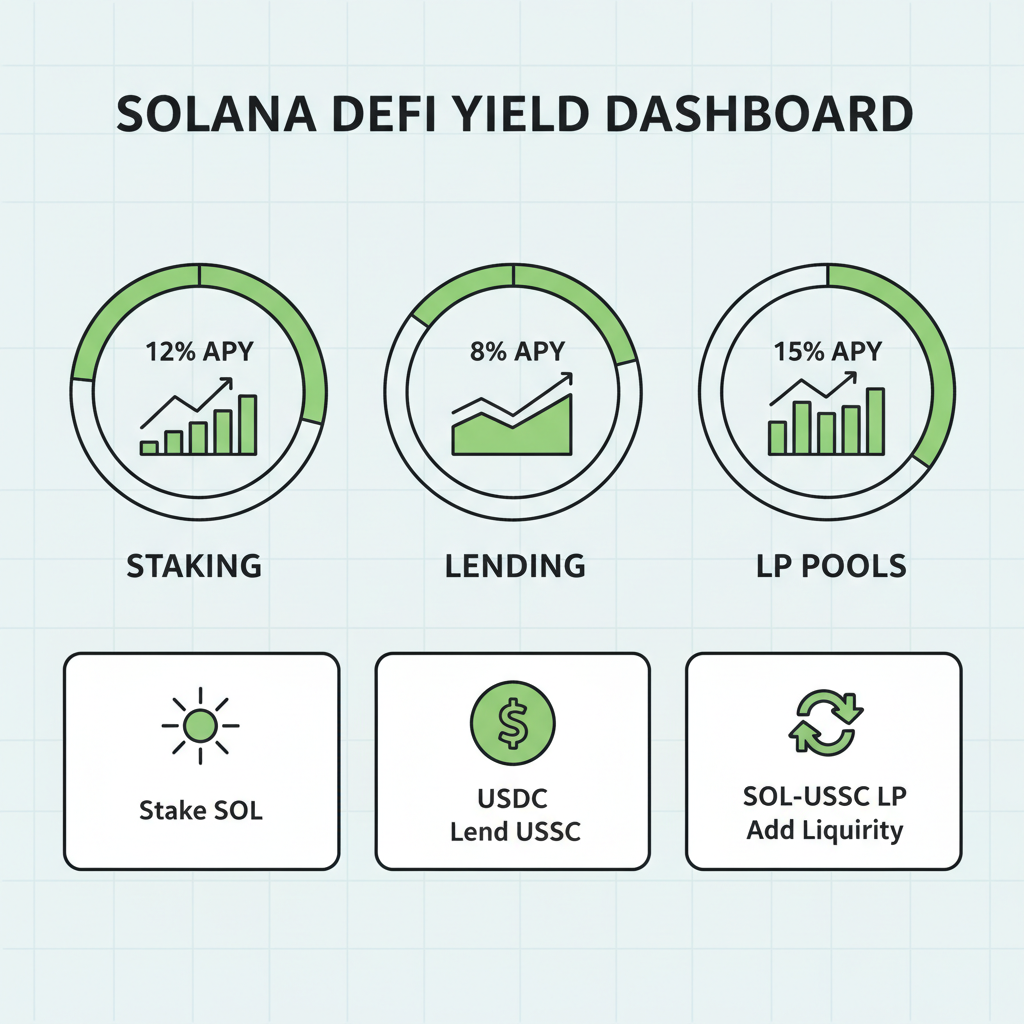
This multi-layer approach demands vigilance. Overexposure to one protocol amplifies smart contract risks, so diversify: 40% lending, 30% LP, 30% held for accrual. LSD protocol's AI automation takes it further, dynamically reallocating across pools for purported 15% edges, though its youth warrants caution. In 2026, as Solana DeFi TVL climbs, these strategies position you ahead of the curve.
DeFi Integrations: Where LSTs Thrive
Beyond basics, LSTs fuel Solana's liquidity hubs. Marginfi accepts JitoSOL as collateral for borrowing, unlocking leverage without selling. Kamino automates swaps and farming with stSOL, simplifying complexity for yield chasers. Even Aave-inspired protocols nod to LST composability, letting you deposit, earn, and borrow seamlessly. With SOL at $121.38, deploying LSTs here hedges downside while chasing upside, a balanced tactic I've relied on through cycles.
| LST | Lending (Solend) | LP (Raydium) | Perps Collateral (Drift) | Total Stack APY Est. |
|---|---|---|---|---|
| mSOL | 7-9% | 12-18% IL-adjusted | Accepted | 20-30% |
| JitoSOL | 8-11% | 15-22% | Preferred | 25-35% |
| stSOL | 6-8% | 10-15% | Accepted | 18-25% |
Estimates blend staking base with DeFi layers, minus impermanent loss. Test small positions first; real yields hinge on market conditions.
Risks, Rewards, and Prudent Plays
No yield comes risk-free. Smart contract exploits, though rare on audited protocols like Marinade, loom large. Validator slashing hits if delegates falter, mitigated by diversified pools. LSTs trade at slight discounts to SOL during stress, as seen in past dips, but their accrual rebounds value. LSD protocol's AI novelty adds model risk, yet its surge signals market trust.
My advice: stake what you can afford to idle, use hardware wallets, and rebalance quarterly. Monitor via Lstfi dashboards for real-time APYs. With SOL steady at $121.38 post-dip, this ecosystem rewards patience over FOMO. Protocols like Jito and emerging LSD players hint at brighter yields ahead, blending MEV, AI, and liquidity into a resilient framework.
Stake once with an LSD, deploy fluidly across DeFi, and watch compounding work its quiet magic. In volatile markets, liquidity isn't luxury; it's leverage for enduring wealth.




No comments yet. Be the first to share your thoughts!