

Solana Jito stakers, your jitoSOL holdings are primed for a yield upgrade in 2026. With jitoSOL commanding 45% of Solana's liquid staking market share, its blend of staking rewards and MEV boosts already delivers about 20% higher returns than plain SOL staking. Now, restaking through EigenLayer-inspired mechanisms lets you redeploy those assets to secure Actively Validated Services (AVSs), stacking additional rewards without locking up liquidity. This EigenLayer restaking JitoSOL strategy is transforming Solana LST restaking into a powerhouse for yield optimization.
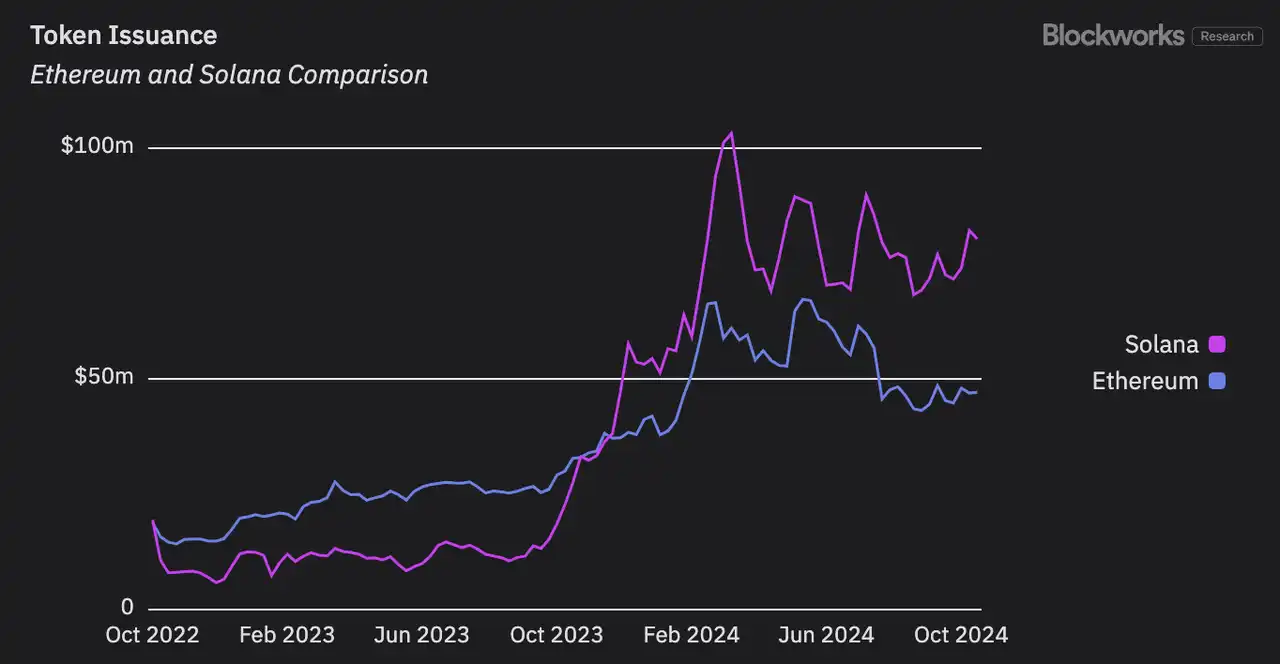
Jito's restaking product stands out by accepting not just SOL but diverse LSTs and even meme assets like BONK, broadening participation. Meanwhile, Renzo Protocol's ezSOL bridges Ethereum restaking expertise to Solana, layering Jito's MEV-enhanced yields with AVS security contributions. For Jito stakers, this means turning a single token into a multi-yield machine, all while maintaining the composability of liquid staking tokens.
JitoSOL's Dual-Yield Edge in the Solana Ecosystem
At its core, jitoSOL embodies the promise of liquid staking: one token, two yields. Standard staking earns SOL rewards, but Jito overlays Maximum Extractable Value (MEV) capture, which validators extract from transaction ordering. This mechanic, refined on Solana's high-throughput chain, pushes jitoSOL's APY ahead of competitors like Sanctum or others in the LST space.
Current market dynamics as of February 10,2026, underscore jitoSOL's dominance. Its integration with restaking protocols amplifies this edge, enabling JitoSOL EigenLayer AVS participation. Unlike rigid staking, restaking reuses your economic security to validate rollups, oracles, and bridges, earning points or native tokens from AVSs. Solana's native restakers like Jito and Solayer mirror EigenLayer's Ethereum model but leverage Solana's speed for faster reward accrual.
Renzo's entry with ezSOL adds nuance. By wrapping Jito infrastructure, ezSOL holders tap restaking yields atop base staking, creating a liquid restaking token (LRT) tailored for Solana. This evolution addresses a key pain point: illiquid restaking locks. With LSTs, you restake and still trade, lend, or farm elsewhere.
Assessing Risks and Rewards in Liquid Staking Restaking Yields
Yield stacking sounds irresistible, but precision demands risk scrutiny. Liquid staking restaking yields can double base APYs, yet introduce slashing vectors. AVSs enforce penalties for downtime or misbehavior, potentially hitting 10-30% in extreme cases. Jito mitigates via diversified validator selection, but stakers must monitor correlation risks if multiple AVSs fail simultaneously.
Smart contracts pose another layer. Jito and Renzo boast audits from top firms, yet Solana's history with exploits warrants vigilance. I recommend starting small, diversifying across 2-3 AVSs, and using hardware wallets. The reward profile justifies it: historical data shows restaked positions outperforming vanilla staking by 15-25% annually, net of risks.
Wallet Setup and JitoSOL Acquisition Essentials
Before diving into restaking, fortify your foundation. Use Phantom or Backpack wallets, Solana's gold standards for LST handling. Enable hardware integration via Ledger for high-value positions; software alone suits under $10K stacks.
Acquire jitoSOL via Jito's official app or DEXs like Jupiter. Swap SOL at a 1: 1 peg, accounting for minor premiums during yield hype. Verify the contract address: official JitoSOL is listed on solanacompass. com for safety. Bridge assets if needed, but stick to Wormhole or Mayan for audited cross-chain flows.
Prepare for restaking by approving spending on Jito's restaking UI and Renzo's dashboard. Check gas fees; Solana's sub-cent txns keep costs negligible. Track your positions with tools like Step Finance for real-time yield breakdowns. This prep ensures seamless entry into EigenLayer Solana integration 2026, setting the stage for AVS deposits.
With jitoSOL in hand, you're wallet-ready. Next steps involve selecting AVSs and executing deposits, but mastery here prevents common pitfalls like overexposure or misaligned incentives.
Mastery begins with targeted AVS selection. Prioritize those with proven reward mechanisms and low slashing histories, such as oracle networks or bridge verifiers integrated with Jito. Platforms like Solayer complement Jito by accepting LSTs directly, offering native Solana restaking without Ethereum bridges. Review AVS dashboards for points accrual rates; aim for diversified exposure across 3-5 to balance yield and risk.
Step-by-Step JitoSOL Restaking Execution
Execution demands sequence and verification at every turn. Head to Jito's restaking interface, a streamlined portal mirroring EigenLayer's deposit flow but optimized for Solana's velocity. Connect your Phantom wallet, review allowances, and input your jitoSOL amount. The platform auto-routes to available AVSs, displaying projected yields based on current TVL and participation rates.
Maximize JitoSOL Yields: 5-Step EigenLayer Restaking Guide to ezSOL
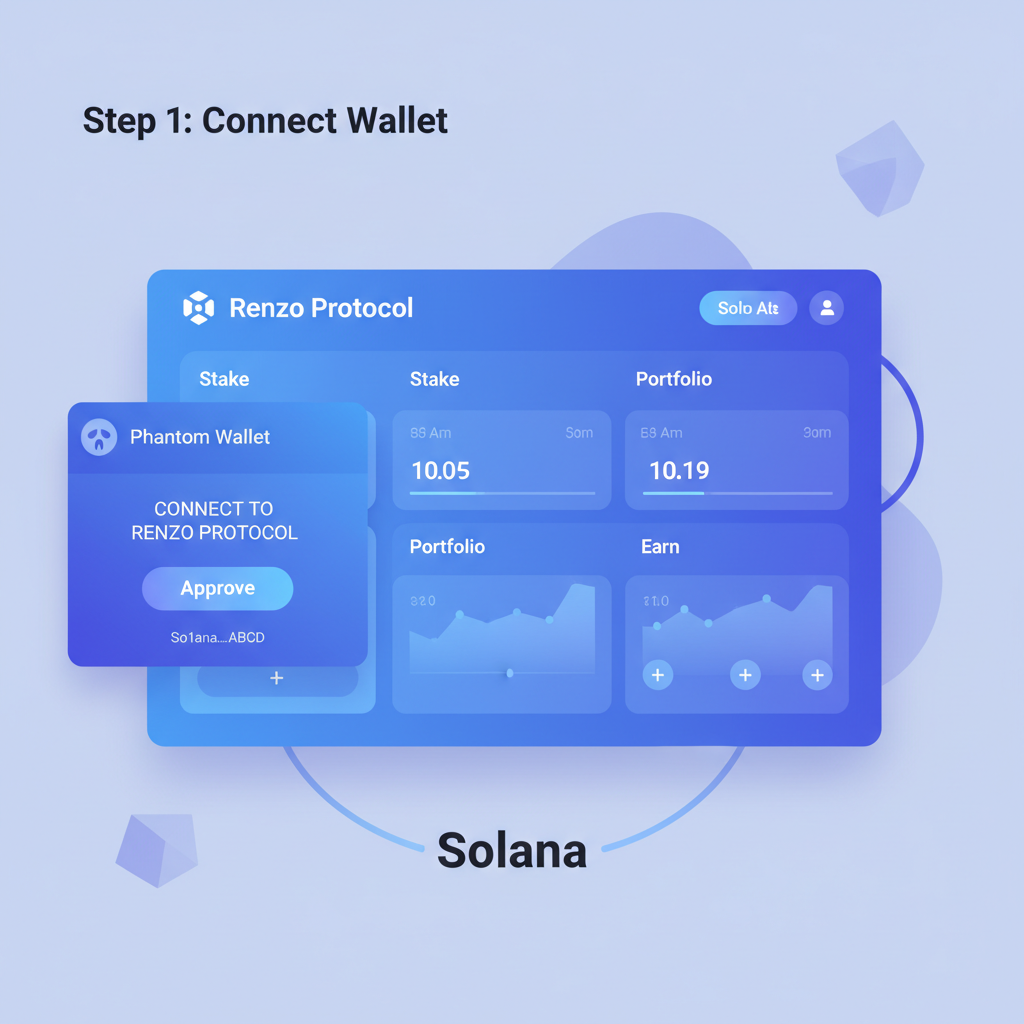
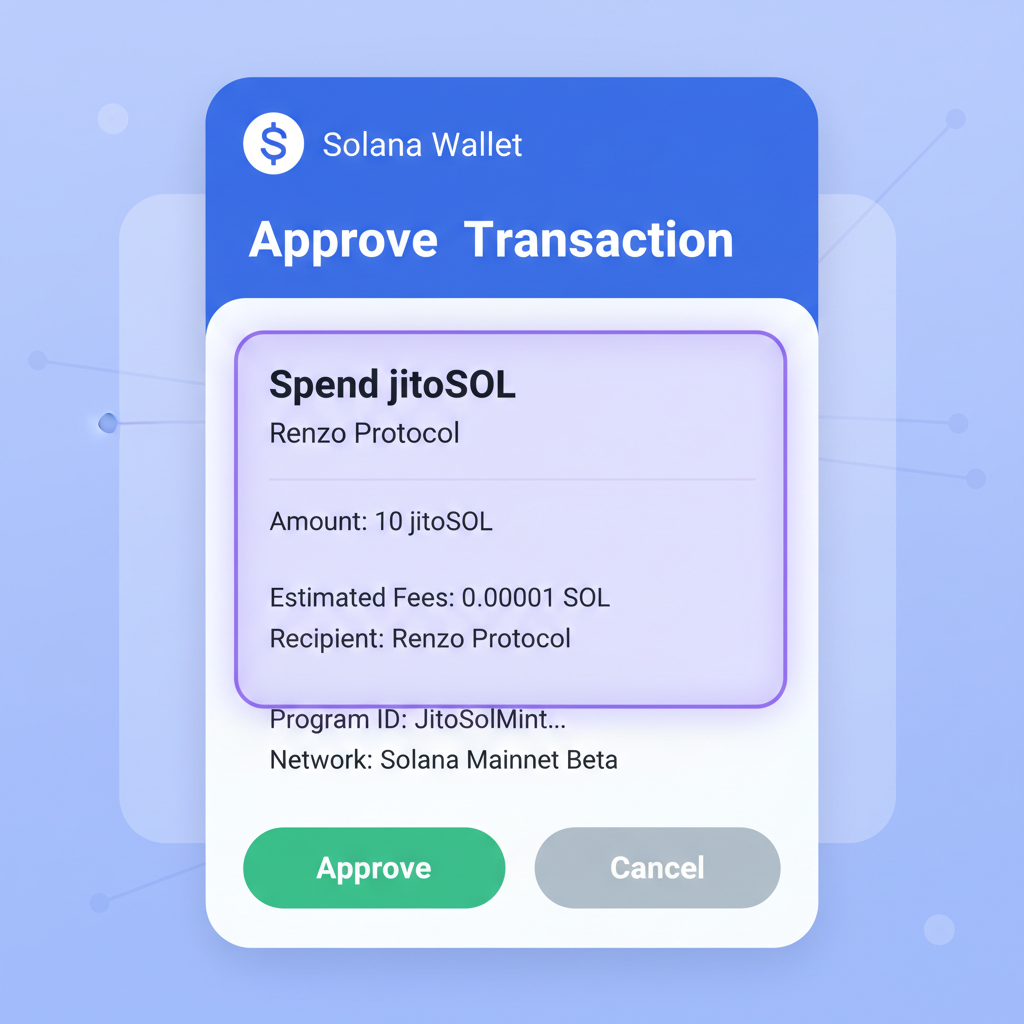
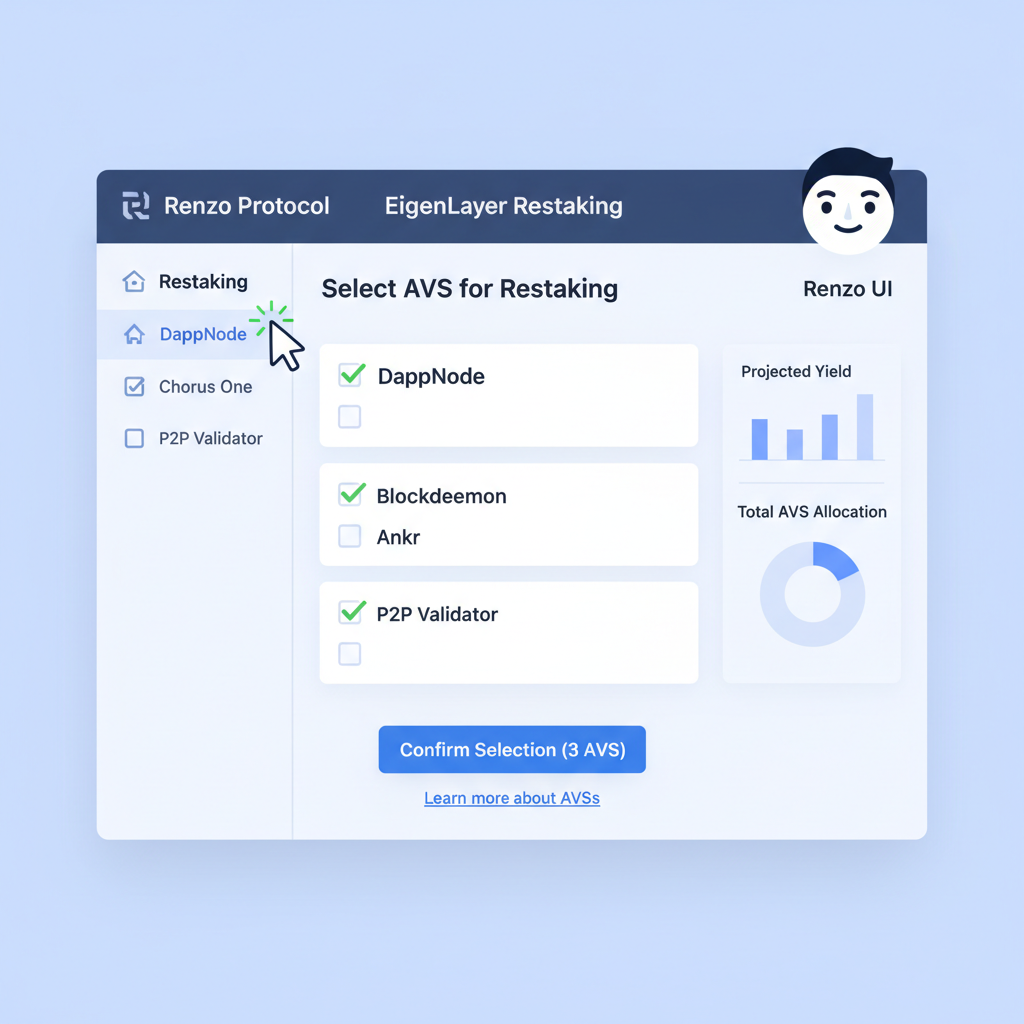
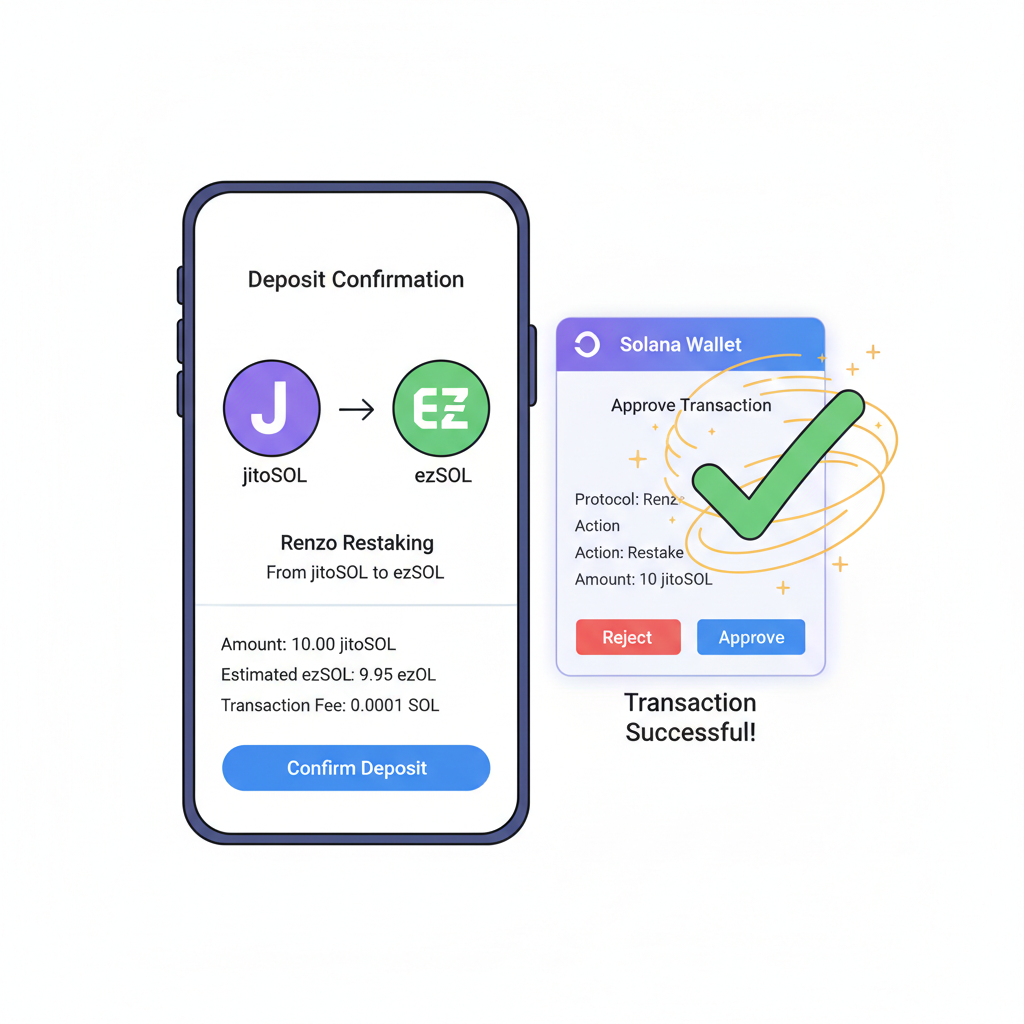
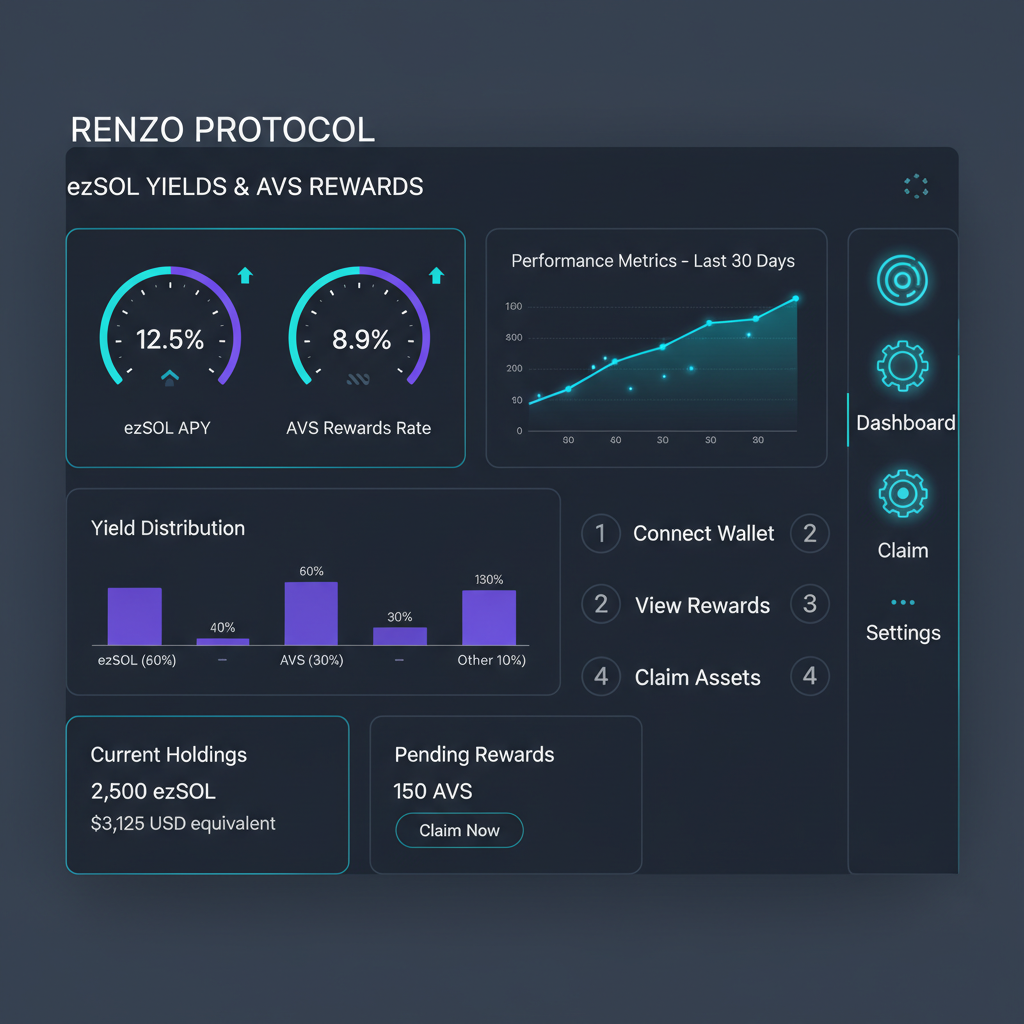
For Renzo's ezSOL path, the process layers elegantly. Deposit jitoSOL into their Solana app, receiving ezSOL in return - your liquid restaking token. This LRT accrues Jito's base yields plus AVS points, redeemable for future airdrops or tokens. Renzo's edge lies in Ethereum-Solana interoperability, pulling in EigenLayer-grade strategies without cross-chain friction. Confirm each transaction on Solana Explorer; double-check for front-running risks during high-demand periods.
Post-deposit, your dashboard reveals compounded positions. JitoSOL restaking typically unlocks 3-5% additional APY from AVSs, pushing total returns toward 12-15% in bullish markets. ezSOL holders see similar uplift, with liquidity pools on Jupiter enabling swaps or lending on Marginfi for further stacking. This Solana LST restaking loop exemplifies yield composability at its finest.
Optimization follows deployment. Rotate out of underperforming AVSs quarterly, harvesting points before dilution. Use Dune Analytics queries tailored for Jito to benchmark your yields against peers. I favor a 60/40 split: 60% in Jito core restaking, 40% ezSOL for LRT flexibility. This hedges against protocol-specific downtime while capturing broad AVS growth.
Monitoring Positions and Exit Strategies
Vigilance sustains alpha. Track slashing events via Jito alerts and AVS leaderboards; a single correlated failure could trim 5-10% from positions. Unwinding restakes mirrors entry: withdraw from AVSs first, then unstake LSTs, respecting 2-7 day unbonding. In volatility spikes, hedge with SOL perps on Drift to protect principal.
Real-world performance validates the grind. Jito stakers restaking since late 2025 report 18-22% annualized yields, outpacing vanilla LSTs by double digits. Renzo's ezSOL introduces EigenLayer-like points farming, speculated for 2026 token unlocks. Yet discipline trumps hype: size positions to sleep soundly, rebalance monthly, and audit yields against benchmarks like Sanctum or Marginfi.
Solana's restaking primitives, powered by Jito and allies, redefine staking economics. JitoSOL holders now command a versatile asset class, blending liquidity, MEV, and AVS security into one portfolio cornerstone. Deploy thoughtfully, and watch your yields compound across layers - a precise path to outperformance in DeFi's yield frontier.




No comments yet. Be the first to share your thoughts!