
Set up your wallet and choose a protocol
Liquid staking has moved from a niche DeFi strategy to a primary yield infrastructure layer for major assets like ETH and SOL. Before you stake, you need a secure wallet and a protocol that matches your risk tolerance. This section walks you through the technical setup and how to select a provider that balances yield with liquidity.
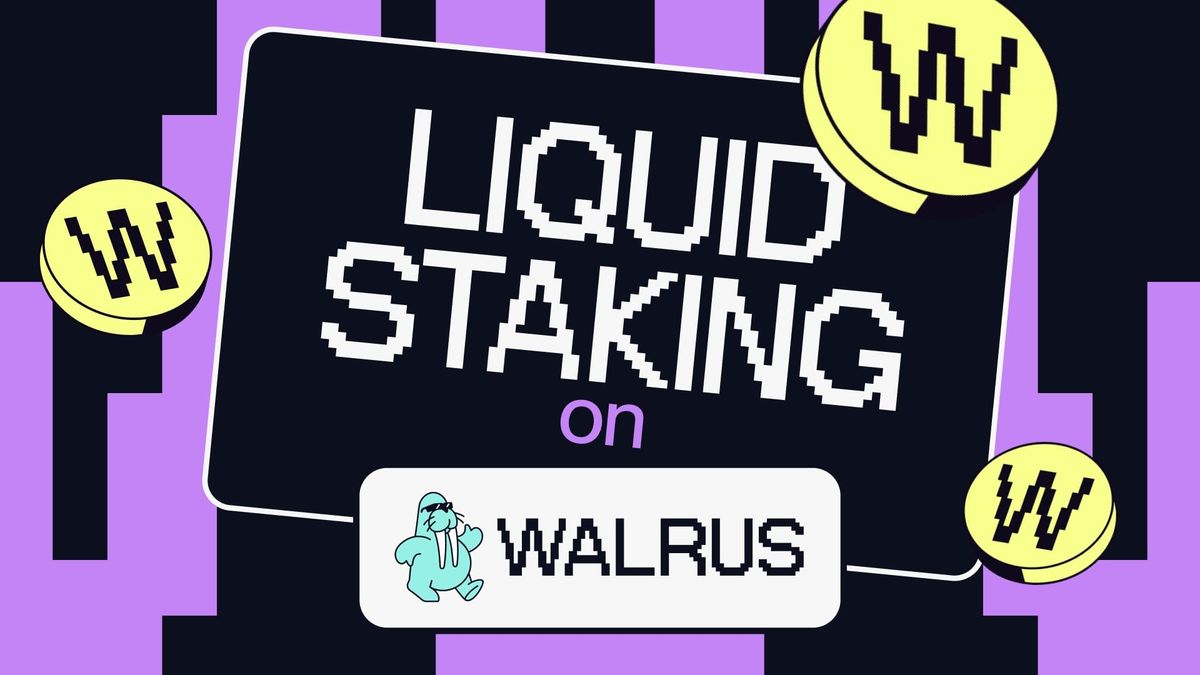
Start with a non-custodial wallet like MetaMask or Phantom. These tools give you full control over your private keys, which is essential for high-stakes crypto operations. Enable hardware wallet integration if you are moving significant capital. Never share your seed phrase with any protocol or support team.
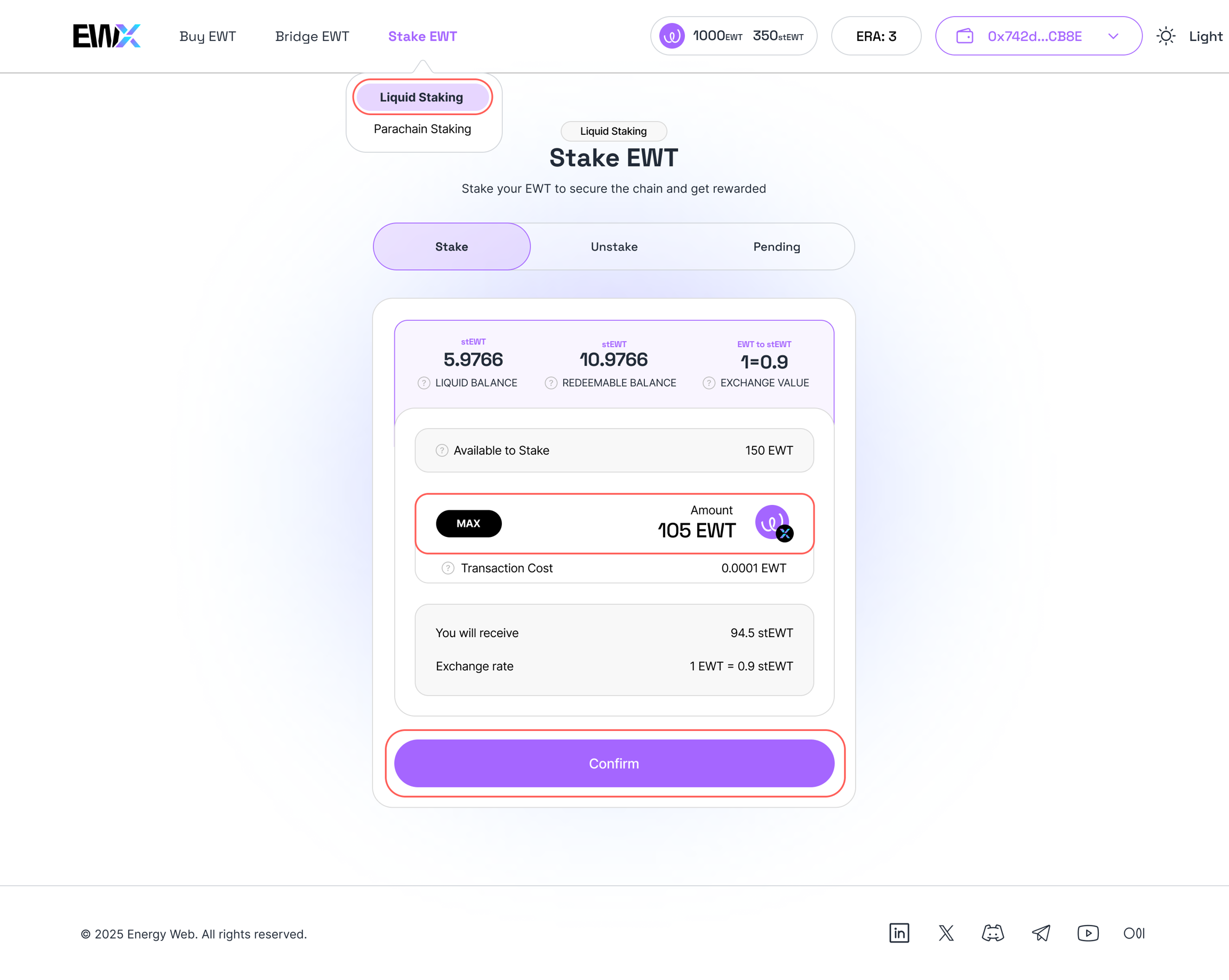
Transfer the native cryptocurrency you intend to stake (e.g., ETH or SOL) into your wallet. Ensure you also hold a small amount of the native token for gas fees, as staking transactions require network validation. Double-check the network chain (Mainnet vs. Testnet) before sending funds to avoid permanent loss.
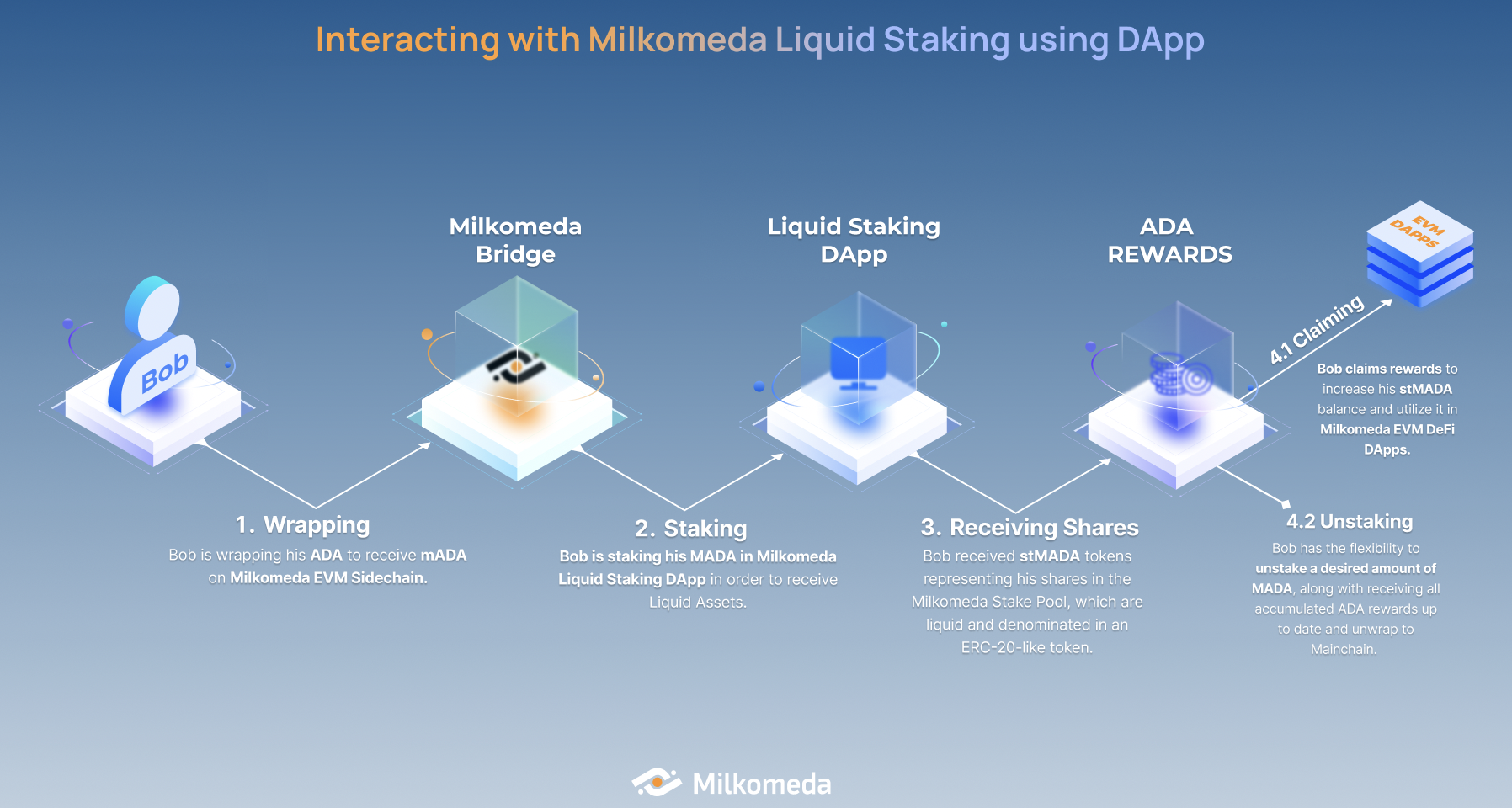
Compare protocols based on yield consistency, total value locked (TVL), and smart contract audits. Look for established providers like Lido or Rocket Pool that have undergone rigorous security reviews. Avoid new or unaudited platforms promising unusually high returns, as these often carry higher smart contract risk.

Navigate to the official website of your chosen protocol and connect your wallet. Review the terms carefully, noting the unstaking period and any fees. Confirm the transaction in your wallet. Once confirmed, you will receive liquid staking tokens (LSTs) in your wallet, representing your staked assets plus accrued yield.


As an Amazon Associate, we may earn from qualifying purchases.
Choosing the right protocol is a balance between yield and security. While liquid staking offers the flexibility to use your assets in DeFi, the underlying smart contracts remain a primary attack vector. Prioritize protocols with long track records and transparent governance.
Deposit assets and receive liquid tokens
Liquid staking lets you stake coins and use them in DeFi simultaneously. Instead of locking your assets away, you deposit them into a protocol and receive a token that represents your stake. This liquid staking token (LST) tracks the value of your original deposit plus any staking rewards accrued over time.
Think of this process like a bank receipt. You deposit cash, and the bank gives you a negotiable certificate. You can hold the certificate, trade it, or use it as collateral for a loan, while your original cash continues to earn interest in the background. In crypto, that "receipt" is your LST, such as stETH or rETH.
Choose a reputable protocol
Select a liquid staking provider with a strong track record and transparent security audits. Major protocols like Lido or Rocket Pool are widely used, but always verify the smart contract code and the decentralization of the node operators. Your safety depends on the protocol's resilience against hacks or slashing events.
Connect your wallet and deposit
Navigate to the protocol’s official dashboard and connect your Web3 wallet. Select the asset you wish to stake (e.g., ETH) and enter the amount. Review the exchange rate, which determines how many LSTs you will receive for your deposit. Confirm the transaction in your wallet, paying the associated network gas fees.
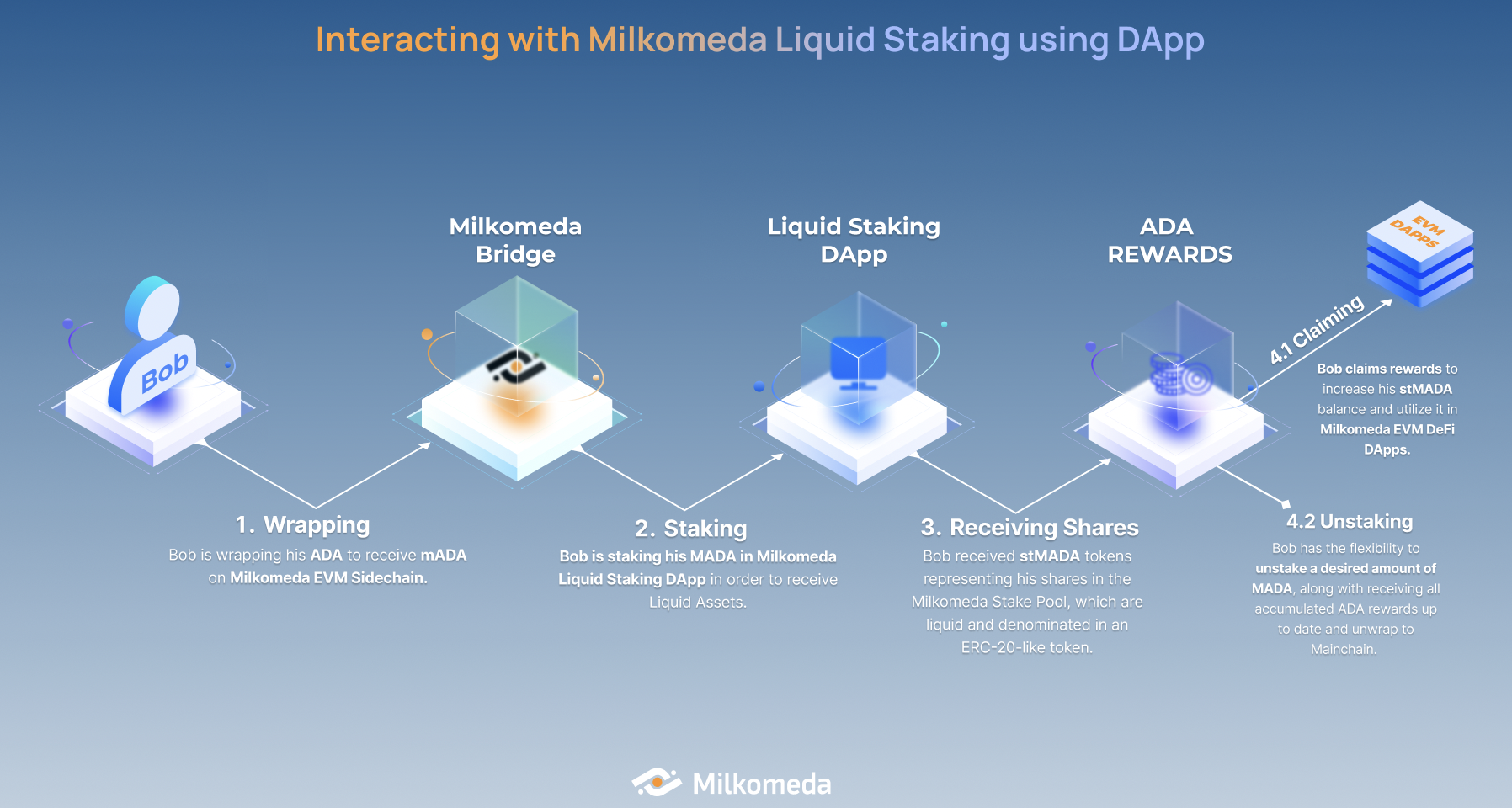
Receive your liquid staking token
Once the transaction is confirmed on-chain, your LST balance will appear in your wallet. This token is immediately liquid. You can transfer it, sell it on an exchange, or supply it to a lending protocol to earn additional yield. The LST’s value will appreciate relative to the underlying asset as staking rewards compound, so your balance grows even if the token count stays the same.
Use LSTs in DeFi
Your liquid staking token is now a versatile asset. You can provide it as liquidity in a decentralized exchange (DEX) to earn trading fees, or lend it out on platforms like Aave or Compound to generate secondary yield. This dual-earning potential is the primary advantage of liquid staking over traditional locked staking.
Deploy LSTs in DeFi yield strategies
Liquid staking tokens (LSTs) solve the liquidity trap of traditional staking. Instead of locking assets for weeks or months, you hold a tokenized receipt that represents your staked position. This receipt trades 1:1 with the underlying asset and moves with it, allowing you to deploy that capital into DeFi protocols simultaneously.
The rise of liquid staking has removed the traditional trade-off between staking and DeFi participation, allowing ETH holders to receive staking rewards while still earning yield elsewhere [[src-serp-7]]. You are not choosing between one or the other; you are stacking them.
Compare Yield Sources and Risks
Not all LST strategies carry the same risk profile. Lending protocols offer lower, more predictable yields, while liquidity pools and restaking offer higher potential returns with greater complexity and smart contract risk. Use the table below to compare the primary options for deploying your liquid tokens.
| Strategy | Yield Source | Risk Level | Est. APR |
|---|---|---|---|
| Lending Markets | Interest | Low-Medium | 2-4% |
| Liquidity Pools | Trading Fees + Incentives | High | 5-15% |
| Restaking | Restaking Rewards | High | 4-10% |
Lending for Stable Income
Lending your LSTs on established protocols like Aave or Compound is the most straightforward way to earn additional yield. You deposit your tokens, and borrowers pay interest to borrow them. This strategy is ideal if you want to maintain exposure to the underlying asset's price appreciation while earning a steady, low-volatility income stream.
The primary risk here is smart contract vulnerability. While major protocols have extensive audits, bugs can still occur. Additionally, lending rates fluctuate based on market demand. During periods of low borrowing activity, yields may drop significantly below the base staking reward.
Liquidity Pools for Higher Yield
Providing liquidity in decentralized exchanges (DEXs) often yields higher returns than lending. By pairing your LST with the native asset (e.g., stETH/ETH), you earn a share of the trading fees. However, this strategy introduces impermanent loss, although it is minimized when the peg remains tight.
This approach works best in high-volume markets. If the LST trades at a discount to its underlying asset, you may sell the LST too early, realizing a loss relative to simply holding. Always monitor the peg closely and rebalance if the spread widens beyond normal parameters.
Restaking for Layered Security
Restaking protocols like EigenLayer allow you to use your staked ETH to secure additional services, such as oracles or middleware. In return, you earn extra rewards. This creates a "layered" security model where your capital supports multiple networks.
Restaking is complex and carries higher smart contract risk. If a service you are securing fails or is exploited, your staked assets could be slashed. This strategy is best suited for experienced users who understand the technical mechanics and are comfortable with the elevated risk profile for potentially higher yields.
Monitor risks and rebalance positions
Liquid staking is no longer a niche experiment; it is becoming a default yield infrastructure layer for ETH, SOL, and other major assets. However, the convenience of liquid tokens comes with specific, non-trivial risks that require active management. Unlike traditional staking, where you lock assets and wait, liquid staking involves a complex web of smart contracts, validator nodes, and derivative tokens that can fail or devalue.
To protect your capital in 2026, you must treat your liquid staking positions as active investments, not passive deposits. This means regularly auditing your exposure to protocol risk, monitoring the health of the underlying validators, and rebalancing when the yield no longer justifies the risk.
Audit smart contract exposure
The most significant risk in liquid staking is the smart contract itself. When you stake through a platform like Stader Labs or Lido, you are interacting with code that manages your assets. If that code has a vulnerability, your funds are at risk.
Check the protocol's audit reports and bug bounty programs. Look for any recent security incidents or unresolved vulnerabilities. If a protocol has a history of exploits or lacks transparent audit history, avoid it. Diversifying across multiple audited protocols can also mitigate the risk of a single point of failure.
Monitor validator performance
Liquid staking providers delegate your stake to validators. If a validator misbehaves, your stake can be slashed (partially or fully lost) or you may miss out on rewards.
Monitor the performance of the validators your assets are delegated to. Most liquid staking platforms provide dashboards showing validator uptime, slashing history, and commission rates. Choose platforms that automatically rotate validators to ensure high uptime and minimize slashing risk. Avoid platforms that rely on a small number of validators, as this increases concentration risk.
Watch for depegging risks
Liquid staking tokens (LSTs) like stETH or stSOL are designed to track the price of the underlying asset. However, they can occasionally depeg, trading below the value of the underlying asset due to market panic or liquidity issues.
Keep an eye on the peg ratio. If an LST trades significantly below its underlying asset for an extended period, it may signal underlying issues with the protocol or market confidence. Consider rebalancing into more stable assets or taking profits if the yield does not compensate for the depegging risk. Use limit orders to buy back LSTs at a discount if you believe the peg will recover.
Rebalance periodically
Yields in liquid staking can fluctuate based on network demand, validator commissions, and market conditions. A high yield today may not persist tomorrow.
Set a schedule to review your liquid staking positions. Compare the net yield (after fees and potential slashing losses) against other yield opportunities. If the risk-adjusted return drops below your threshold, consider moving your assets to a different protocol or asset class. Regular rebalancing ensures your portfolio remains aligned with your risk tolerance and yield goals.
Claim rewards and unstake when needed
Harvesting rewards and exiting a liquid staking position requires careful timing. You are managing two distinct assets: the liquid staking token (LST) and the accrued yield. If you sell the LST without harvesting, you lock in the principal value but leave potential yield on the table. If you harvest without unwinding, you may face unnecessary gas fees or slippage when you eventually need your capital back.
Harvest your rewards first
Before initiating an unstake, claim any available rewards. Most protocols accrue yield daily, but you must actively claim it to realize the gain. This step separates your yield from your principal. Once claimed, the rewards usually settle in your wallet as native ETH or a stablecoin, depending on the protocol. Verify the balance in your dashboard before proceeding to the next step.
Initiate the unstake request
Liquid staking is not instant; it requires a withdrawal period. Navigate to the protocol’s official interface and select "Withdraw" or "Unstake." Enter the amount of LSTs you wish to convert back to native ETH. The interface will display the estimated wait time, which can range from a few hours to several days depending on network congestion and protocol limits. Confirm the transaction hash and save it for your records.
Wait for the withdrawal period
During this waiting period, your LSTs are burned or locked, and your native ETH is queued for release. Do not attempt to unstake the same tokens twice. You can monitor the status of your withdrawal request on the protocol’s explorer or dashboard. This delay is a security feature designed to prevent network congestion and ensure validators have enough time to process the exit.
Receive native ETH or stablecoins
Once the withdrawal period concludes, your native ETH will appear in your wallet. You can then swap it for stablecoins if needed. Check your wallet balance and confirm the transaction on the blockchain explorer. If you are using a specific bridge or swap service, ensure you are using the official links to avoid phishing scams. Keep your transaction records for tax reporting purposes.
Final checklist for exiting safely
-
Harvest all pending rewards before unstaking
-
Verify the withdrawal period length for your specific protocol
-
Save the transaction hash for tracking
-
Confirm native ETH receipt in your wallet
-
Record the transaction for tax purposes
No comments yet. Be the first to share your thoughts!