

In the high-stakes arena of DeFi yield optimization, LST capital efficiency stands out as a cornerstone strategy for 2025. Imagine staking your ETH once, earning base staking rewards, then deploying that same position as collateral in lending protocols to capture a second layer of interest. This liquid staking double yields approach isn't hype; it's a methodical path to compounded returns, powered by Liquid Staking Tokens (LSTs) that keep your capital working across multiple fronts without the drag of illiquidity.
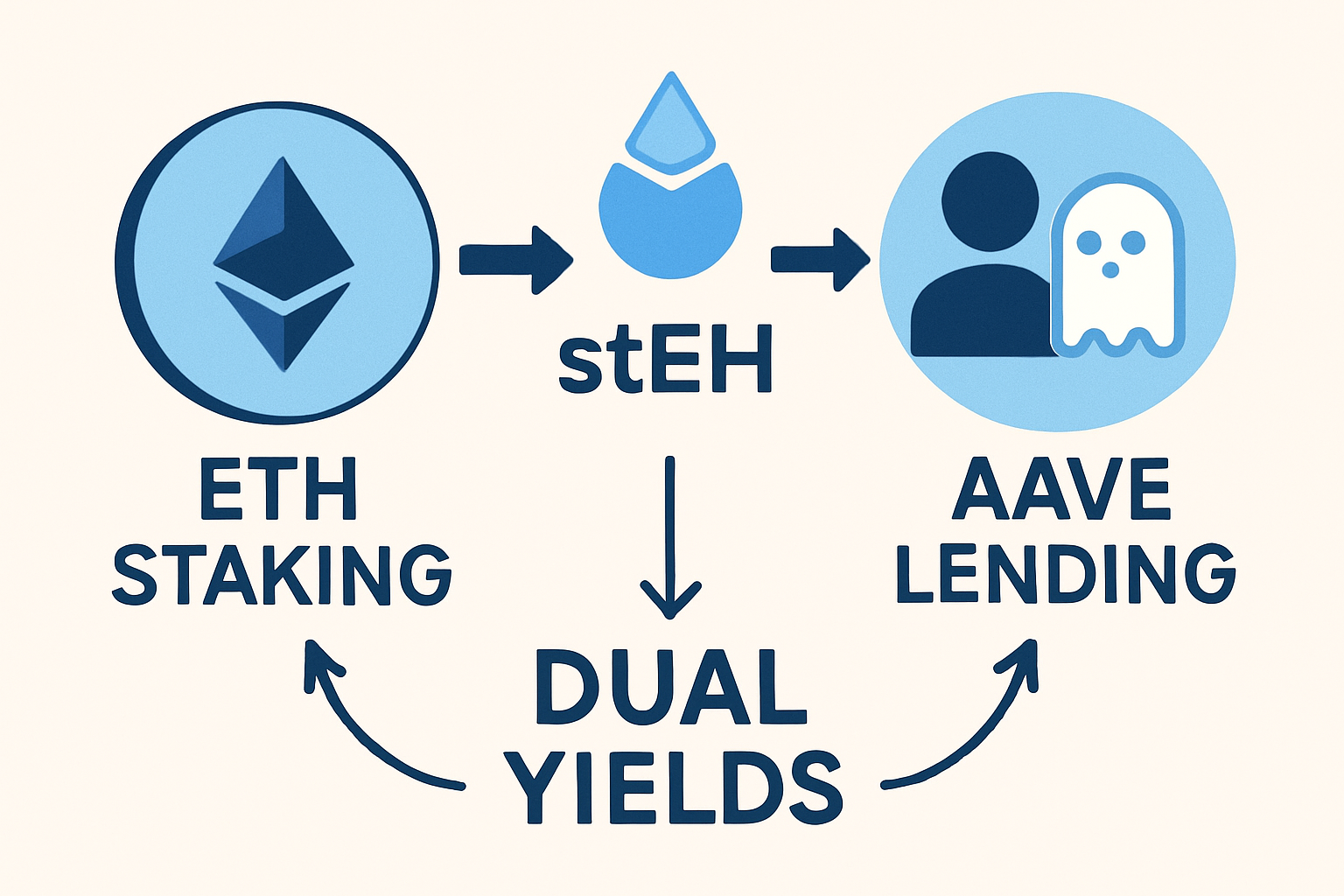
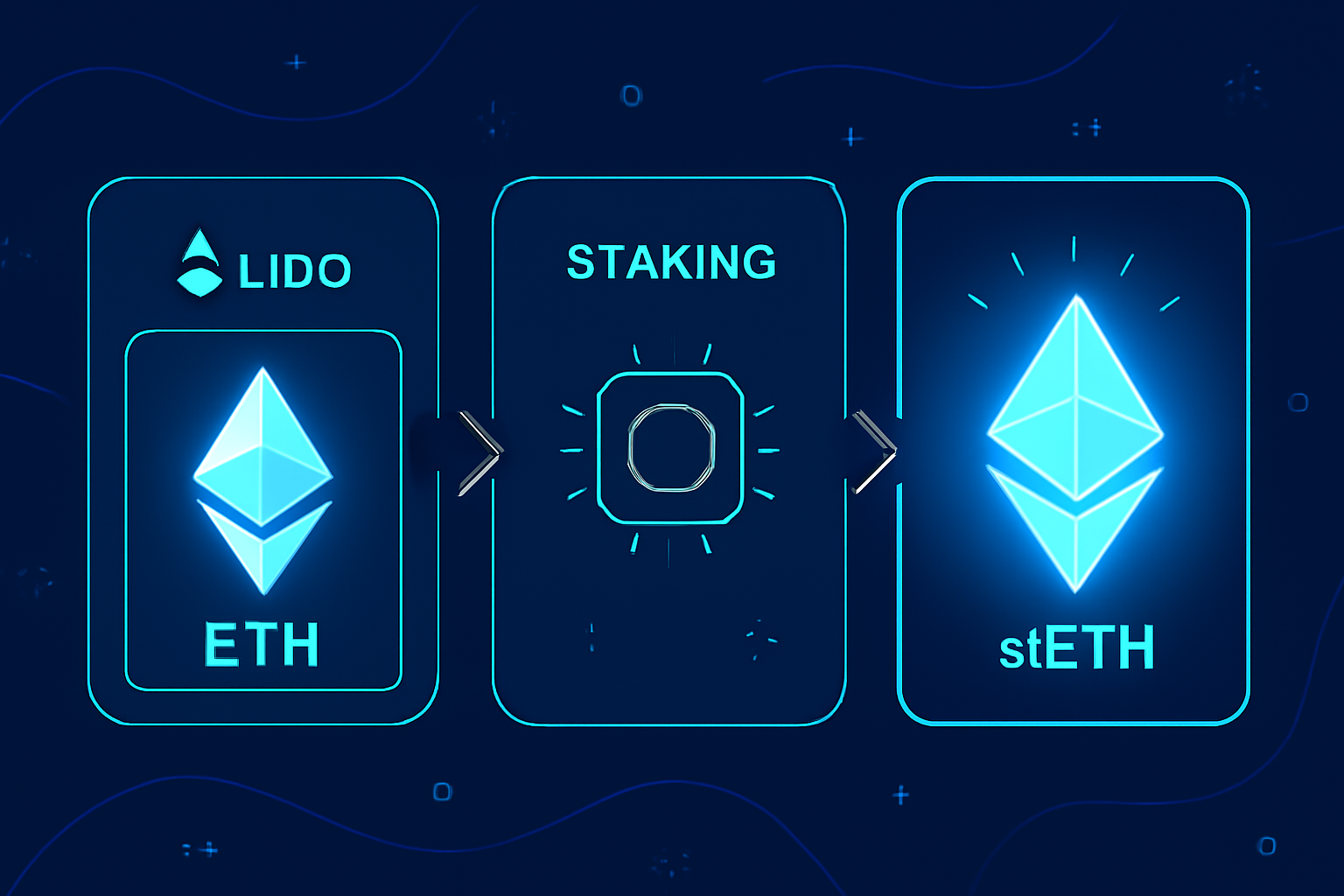
LSTs like stETH from Lido or rETH from Rocket Pool represent your staked assets while accruing rewards and staying fully tradable. This liquidity unlocks doors previously bolted shut in traditional staking, where your capital sat idle post-lockup. Now, protocols treat LSTs as prime LSTs lending collateral, letting you borrow stablecoins, supply liquidity, or loop positions for amplified gains. With the DeFi ecosystem maturing, this setup has propelled total value locked in staking derivatives to $70 billion by mid-2025, Lido alone commanding $22.6 billion.
Regulatory Tailwinds Supercharge LST Integration
The U. S. SEC's August 2025 clarification marked a pivotal shift, affirming that well-structured liquid staking protocols sidestep securities classification under the Howey test. This isn't mere paperwork; it's a green light for institutional inflows and broader adoption. Previously cautious players now confidently plug LSTs into lending giants like Aave and Compound, blending staking yields around 3-5% with lending APYs pushing 5-10% on stable pairs. The result? A three-layer yield stack - base staking, liquid staking, and now seamless lending overlays - that's reshaping portfolio strategies.
Layer on liquid restaking tokens (LRTs), and the efficiency compounds further. Platforms like EigenLayer let you restake LSTs to secure AVSs (Actively Validated Services), layering yet more rewards. Yet, for conservative yield stackers, sticking to lending delivers reliable double yields without the volatility spikes of restaking. I've seen portfolios balloon 15-20% annually this way, far outpacing siloed staking.
Mastering Yield Stacking LST Strategies in Lending
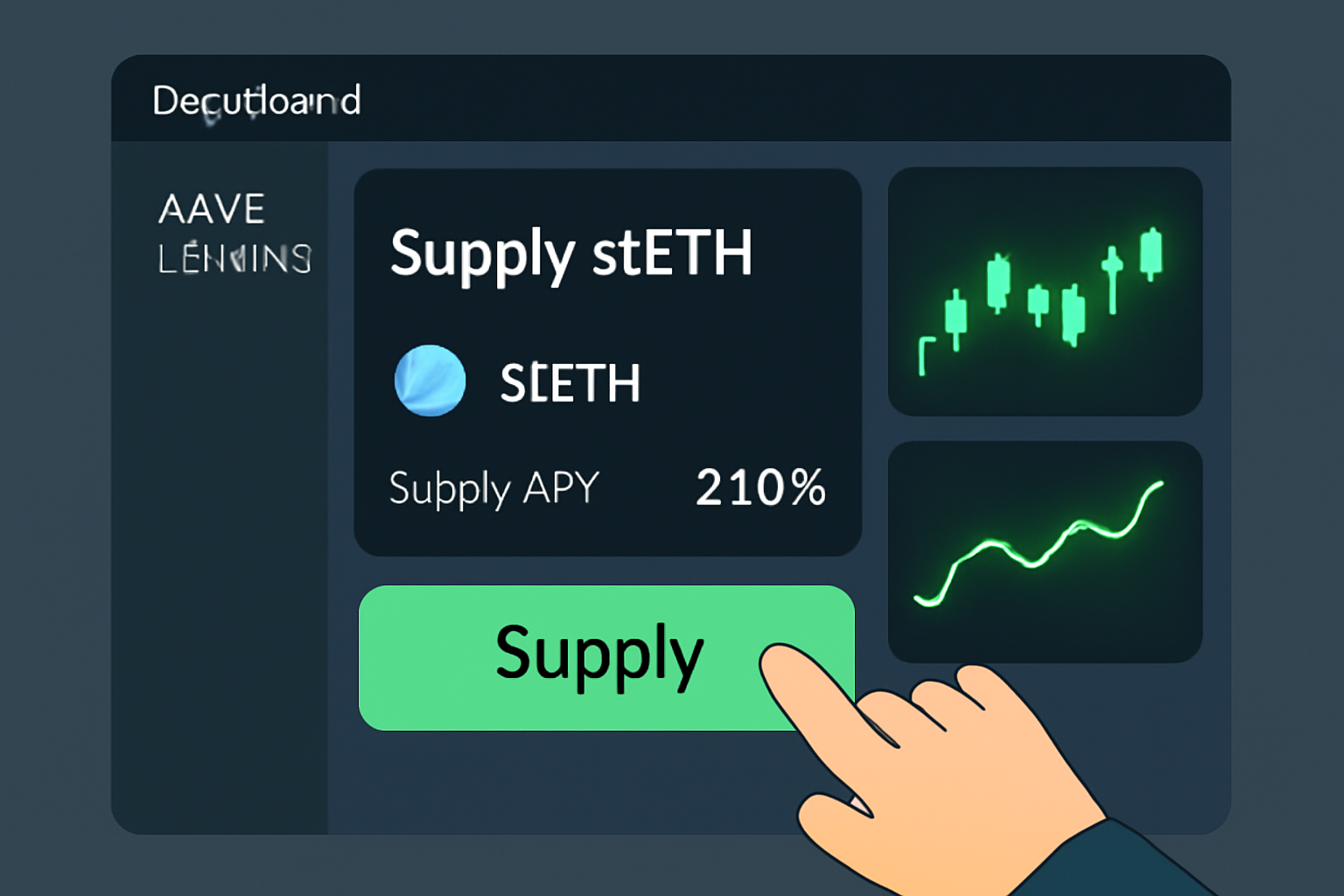
Yield stacking LST strategies 2025 demand precision. The magic lies in protocols that natively support LSTs, minimizing slippage and oracle risks. Aave V3, for instance, lists stETH with deep liquidity, offering borrow rates that, when looped judiciously, turn a 4% staking yield into 12% and effective returns. But success hinges on collateral ratios; overleverage invites liquidation in volatile markets.
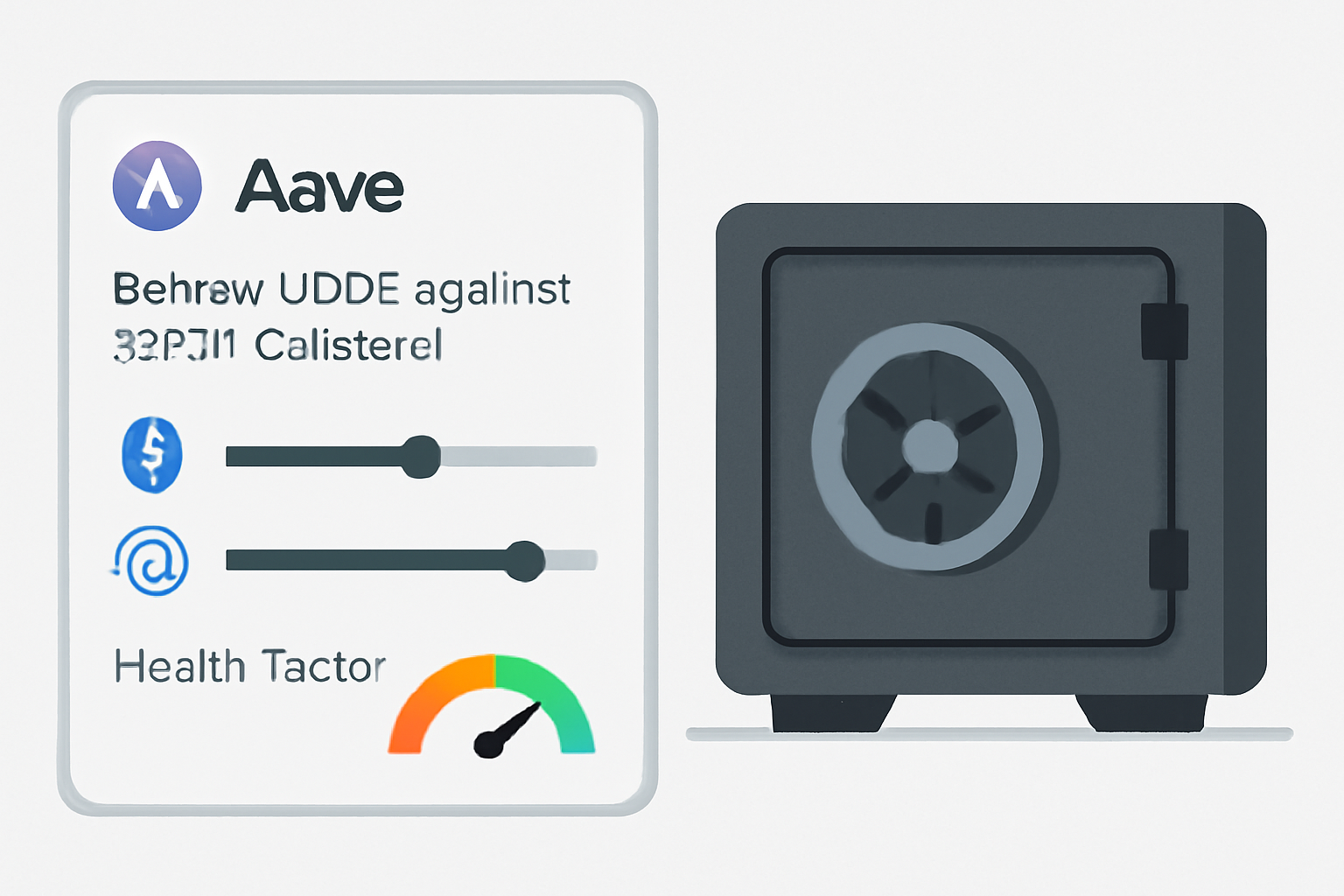
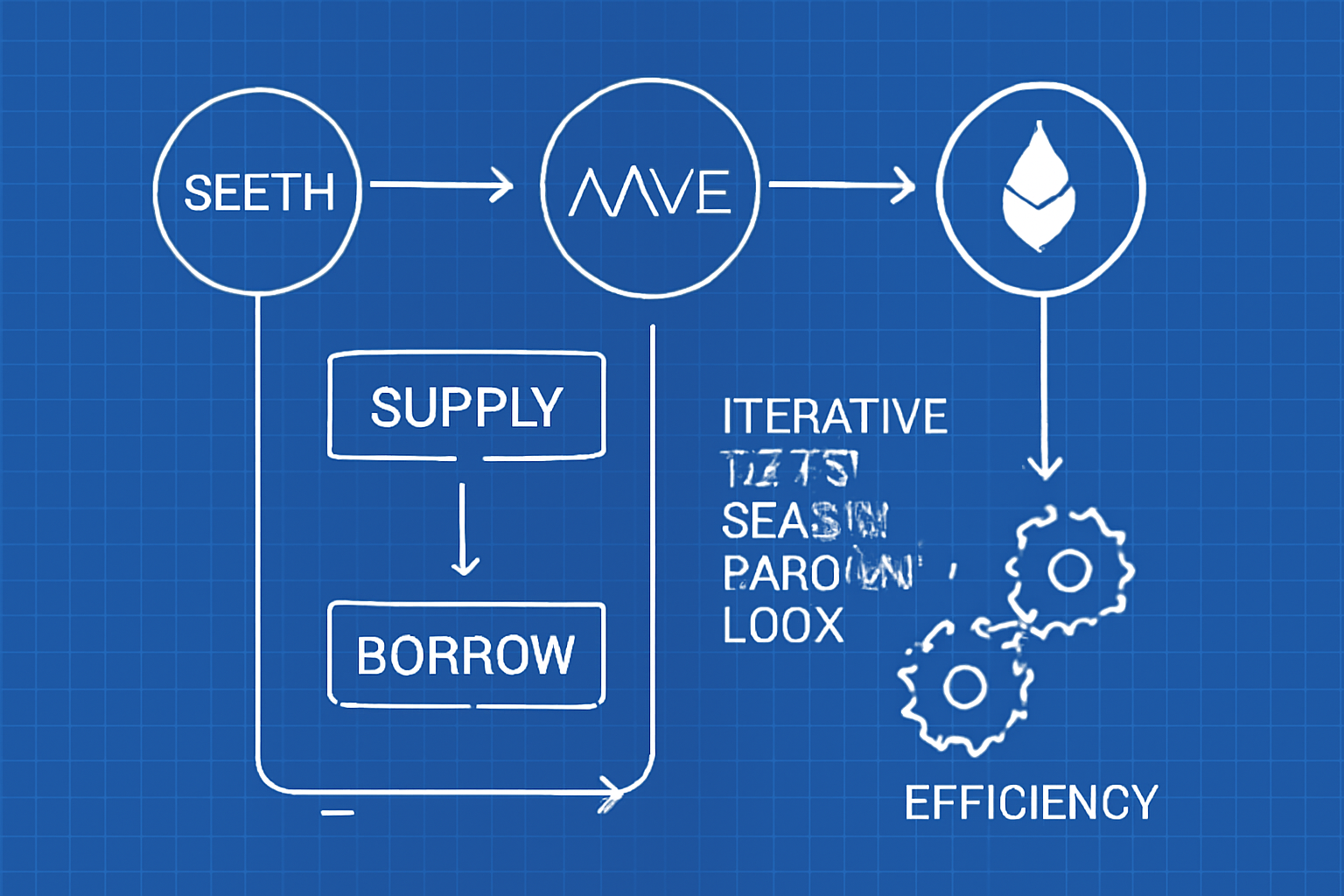
Consider the mechanics: LSTs derive value from underlying staked ETH plus accrued rewards, often trading at a slight premium or discount. Lending platforms price this dynamically via Chainlink oracles, ensuring fair collateralization. Supply your LST, earn supplier interest, borrow against it, and repay with yields from the borrowed asset. It's a self-sustaining loop, but monitor health factors religiously.
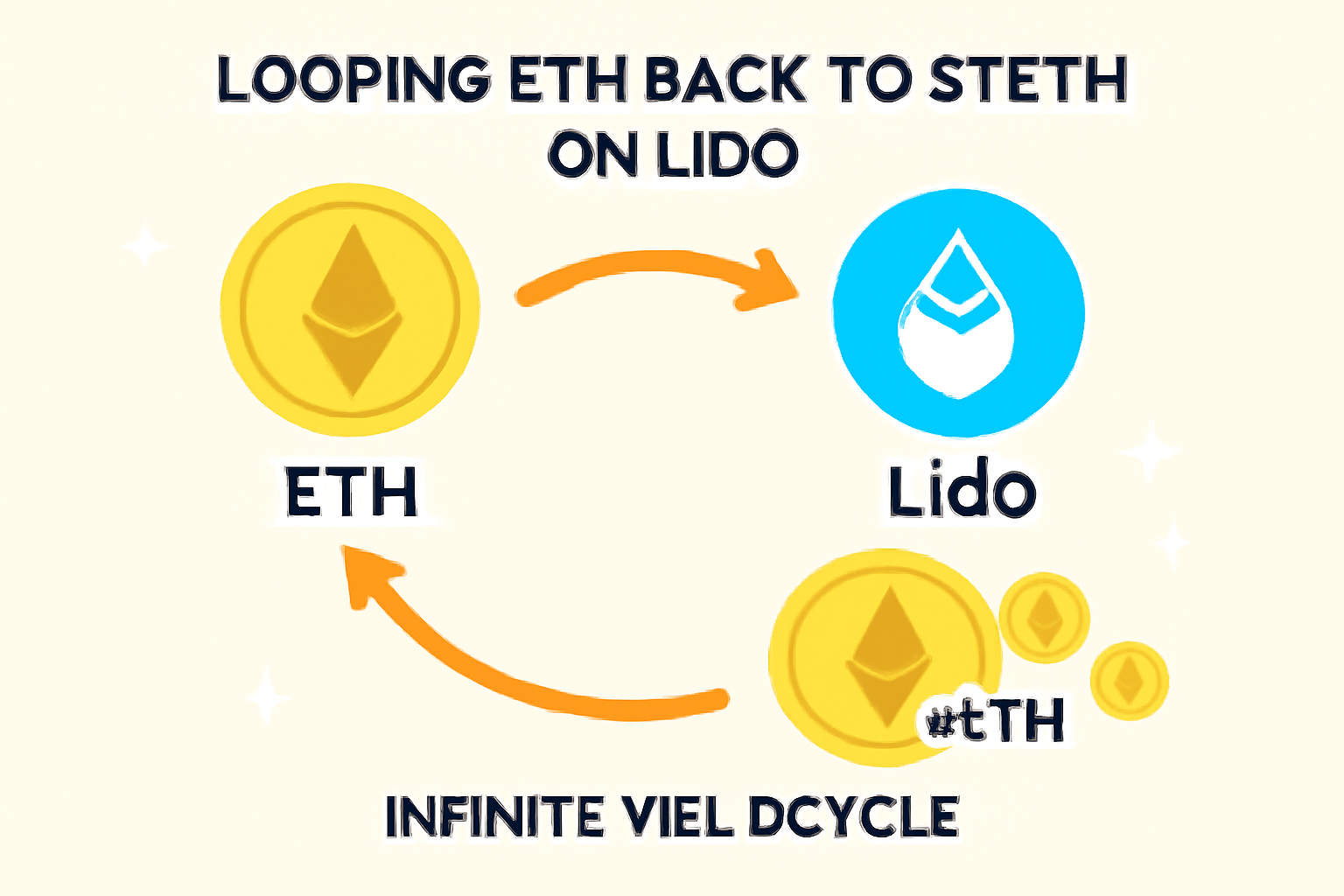
Unlock Dual Yields: Stake ETH on Lido, Loop stETH on Aave for Capital Efficiency

Spotlight on Top Lending Protocols for LST Deployment
Not all lending venues handle LSTs equally. Aave leads with robust LST support across chains, followed by Morpho for optimized rates and Spark for ETH-centric strategies. CoinGecko's 2025 rankings highlight these for low fees and battle-tested security. Likwid, tailored for LST-centric pools, emerges as a niche powerhouse in Likwid LST DeFi guide contexts, blending Solana speeds with cross-chain LST bridges.
Diving deeper, a practical walkthrough illustrates the edge. Stake 10 ETH via Lido, receive equivalent stETH accruing ~4% APY. Supply to Aave at 80% LTV, borrow 6 ETH worth of USDC at 6% borrow rate, then redeploy that USDC into a 8% yield farm. Net: staking yield on full position, plus lending spread. Risks? Sure, but with diversification and stop-losses, this crushes HODLing.
Read more on advanced loops in our detailed LST yield guide. As we push into late 2025, expect tighter integrations with L2s, slashing gas costs and unlocking even finer LST capital efficiency.
Depegs, though rare post-2023 upgrades, still warrant vigilance; Lido's oracle enhancements have tightened spreads to under 0.5%, but black swan events demand buffers. Liquidation looms if health factors dip below 1 amid ETH volatility, so maintain 150-200% collateral ratios. Diversify across LST issuers - mix stETH, rETH, cbETH - to hedge protocol-specific woes.
Risk Mitigation: A Methodical Framework
Effective yield stacking LST strategies 2025 embed safeguards from the outset. Monitor via dashboards like DeFiLlama or Zapper, setting alerts for health factor drops or oracle divergences. Use isolated lending markets to ring-fence exposure, and hedge with perpetuals on platforms like GMX if borrowing aggressively. Historical data shows conservative loops (50% LTV) weather 30% drawdowns intact, preserving principal while compounding yields.
Flash loans amplify risks further, but for steady hands, they enable capital-efficient entry into LST supply positions. Pair this with yield-bearing debt like variable-rate borrows, where repayments self-fund from interest accruals.
Protocol Deep Dive: Where LSTs Shine Brightest
Aave V3 remains the gold standard, boasting $10B and TVL and LST collateral factors up to 82% for stETH. Morpho Blue optimizes via peer-to-peer matching, shaving 1-2% off borrow costs for niche LST pairs. Spark Lend, MakerDAO's evolution, tailors ETH LST strategies with DAI-centric loops, ideal for stability seekers. Then there's Likwid, a Solana-native gem in the Likwid LST DeFi guide, fusing LST bridges with sub-second executions and yields north of 12% on bridged stETH pools.
Explore low-risk variants in our yield stacking playbook. These venues prioritize audited codebases - Aave's 50 and audits set the bar - and dynamic risk parameters that adjust to LST volatility.
Top LST Lending Protocols 2025 (stETH/rETH Focus)
| Protocol | Supported LSTs | Avg Supplier APY | Max LTV | TVL |
|---|---|---|---|---|
| Aave | stETH/rETH/cbETH | 6-9% | 80% | $12B |
| Morpho | stETH/rETH | 5-8% | 75% | $2.5B |
| Spark | rETH/stETH | 7-10% | 78% | $3B |
| Likwid | bridged LSTs | 10-14% | 70% | $800M |
Real-world math underscores the edge: 10 ETH staked yields 0.4 ETH annually at 4%. Lent at 7% supplier APY adds 0.56 ETH equivalent, minus 0.3 ETH borrow cost on looped USDC at 5%, netting 0.66 ETH - 66% uplift over plain staking. Scale to portfolios, and tax efficiency via LST wrappers sweetens the deal.
For multi-chain operators, bridges like Wormhole enable LST portability, but watch for custody risks. 2025's L2 boom - Arbitrum, Optimism integrations - drops fees below $0.01, making micro-loops viable for retail stackers.
Dive into LP-LST hybrids via OlivAI case studies, where liquidity provision layers triple yields atop lending. As restaking matures, expect LSTs to fuel AVS security without sacrificing lending access, cementing liquid staking double yields as DeFi's enduring playbook.
Armed with these tactics, LSTs transform staking from passive hold to active engine. Methodical deployment across vetted protocols unlocks sustainable alpha, positioning savvy investors at the vanguard of 2025's yield renaissance.



No comments yet. Be the first to share your thoughts!