
What liquid staking means in 2026
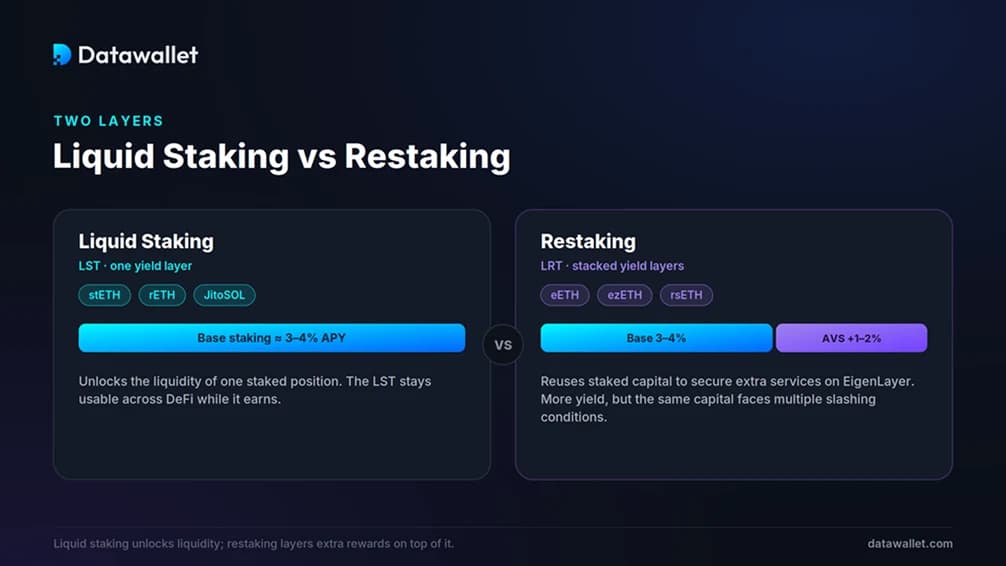
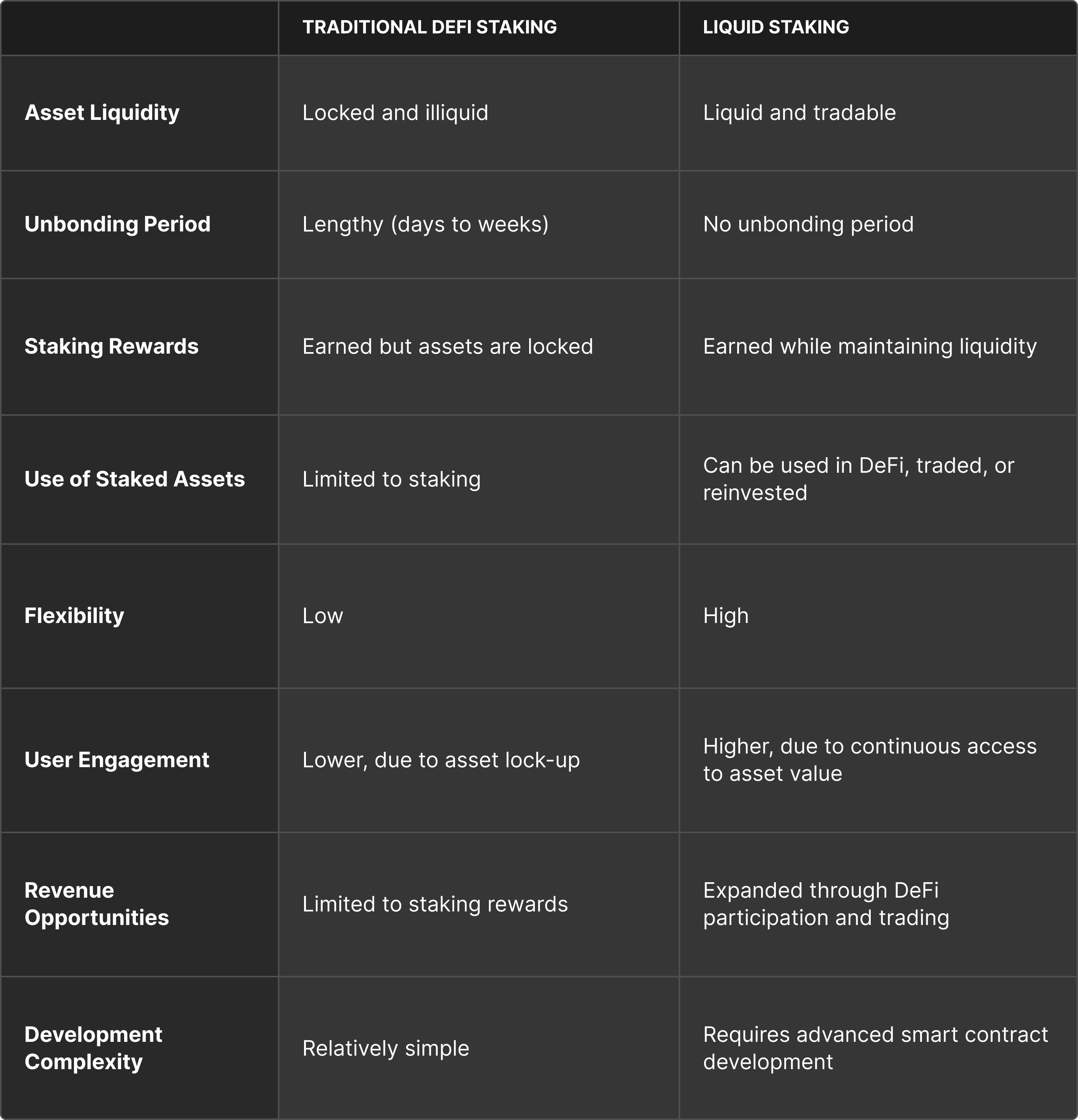
Liquid staking transforms locked crypto assets into active capital. When you stake directly on a blockchain, your coins are locked to secure the network, earning rewards but remaining inaccessible for other uses. Liquid staking solves this by issuing a derivative token that represents your staked position. This token retains its value while granting you the freedom to use your capital elsewhere in the decentralized finance ecosystem.
For example, staking Ethereum through a protocol like Lido or Rocket Pool generates stETH or rETH. These tokens track the value of your underlying stake plus accrued rewards. Because they are ERC-20 tokens, you can trade them on exchanges, provide them as liquidity, or use them as collateral for loans. This dual utility allows you to earn passive income from staking rewards while simultaneously participating in yield-generating DeFi strategies.
This model has evolved from a niche DeFi experiment into a primary yield infrastructure layer. As the market grows, protocols are becoming more robust, offering higher transparency and better risk management. The goal is simple: keep your assets working for you around the clock, rather than sitting idle in a vault.
Choose your primary liquid staking protocol
Selecting a liquid staking protocol depends on the asset you hold and your tolerance for centralization risk. The market is dominated by Ethereum-focused giants and specialized Solana engines. Match your choice to your specific needs rather than chasing the highest yield, which often comes with higher operational risk.
Evaluate Ethereum options
Lido is the largest liquid staking provider, offering deep liquidity and broad compatibility across DeFi protocols. Rocket Pool provides a more decentralized validator set with a lower entry barrier for node operators. Both are established leaders, but Lido’s size introduces concentration risk, while Rocket Pool’s smaller scale may result in slightly lower yields during low-activity periods.
Evaluate Solana options
Jito has emerged as the primary liquid staking solution for Solana, integrating MEV (Maximal Extractable Value) rewards directly into staking yields. This structure often results in higher returns than standard staking. However, the added complexity of MEV distribution introduces unique smart contract risks that are less prevalent in Ethereum-based protocols.
Compare protocol metrics
Use the table below to compare key metrics for the leading protocols. Focus on the trade-off between yield and decentralization.
| Protocol | Primary Asset | Est. APY Range | Decentralization Score |
|---|---|---|---|
| Lido | ETH | 3-4% | Low |
| Rocket Pool | ETH | 3-4% | High |
| Jito | SOL | 7-9% | Medium |
Check risk profiles
Before locking funds, review the smart contract audit history and insurance funds of each protocol. Lido and Rocket Pool have undergone extensive scrutiny due to their size. Jito’s newer architecture requires careful review of its MEV distribution mechanism. Ensure you understand the unstaking periods and potential slippage risks associated with each token.
Execute the staking transaction safely
Depositing assets into a liquid staking protocol requires connecting a wallet to the official interface and confirming the transaction. This process locks your native tokens (such as ETH or SOL) and mints a derivative token (like stETH or jitoSOL) that represents your position. You can then use these liquid staking tokens in other DeFi applications while still earning staking rewards.
Navigate to the official website of your chosen liquid staking provider, such as Lido for Ethereum or Jito for Solana. Connect your Web3 wallet (e.g., MetaMask, Phantom) by clicking the "Connect" button. Always verify the URL to avoid phishing sites, as liquid staking involves locking significant value.
Choose the cryptocurrency you wish to stake. Enter the amount you want to deposit. The interface will display the expected amount of liquid staking tokens you will receive in return. Ensure you have enough native tokens in your wallet to cover both the deposit and the network gas fees.
Before the first deposit, you must approve the protocol's smart contract to spend your tokens. This is a standard ERC-20 approval transaction. Review the allowance limit carefully; many users prefer to set it to the exact amount they intend to stake to minimize exposure if the contract is compromised.
Initiate the staking transaction. Your wallet will prompt you to review the details, including the gas fee and the slippage tolerance. Confirm the transaction in your wallet. Once the blockchain confirms the transaction, your native tokens are locked, and the corresponding liquid staking tokens are minted and sent to your wallet address.

Check your wallet balance to ensure the liquid staking tokens have been received. You can now use these tokens in other DeFi protocols for lending, borrowing, or providing liquidity. Monitor your rewards dashboard on the protocol's site to track the accrual of staking yields over time.
Deploy liquid tokens in DeFi strategies
Once your liquid staking token (LST) like stETH or rETH is in your wallet, you can unlock additional yield by integrating it into DeFi protocols. This process turns idle staked assets into productive capital, allowing you to earn the base staking reward plus interest or trading fees from other sources.
Start by connecting your wallet to established lending platforms such as Aave or Compound. Deposit your LST as collateral to borrow other assets, or supply it directly to the lending pool to earn interest from borrowers. This approach is straightforward but requires you to monitor the loan-to-value ratio to avoid liquidation if the token price drops.
Alternatively, provide your LST to a decentralized exchange (DEX) liquidity pool. By pairing it with a stablecoin or another major asset, you earn a share of the trading fees. This strategy often offers higher returns than simple lending but introduces impermanent loss, which occurs when the price of your LST diverges significantly from the paired asset.
-
Check the protocol's smart contract audit history and total value locked (TVL)
-
Verify the current APY and whether it is sustainable or artificially inflated
-
Assess the risk of impermanent loss if providing liquidity
-
Ensure the protocol is compatible with your specific LST provider
Manage risks and monitor your position
Liquid staking offers yield, but it introduces specific vulnerabilities that don't exist in traditional staking. You are no longer just securing a network; you are holding a financial derivative. This section outlines the three primary risks and how to actively monitor them.
Monitor slashing events
Slashing occurs when a validator behaves maliciously or goes offline, resulting in a penalty to the staked assets. In liquid staking, this loss is distributed across all token holders, potentially reducing the value of your liquid staking token (LST) instantly.
To mitigate this, choose protocols with robust validator diversity and insurance funds. Regularly check the health status of the underlying validators through the protocol's official dashboard. If a significant portion of the validator set is at risk, consider rebalancing your position.
Watch for depegging
LSTs like stETH or rETH are designed to track the price of the underlying asset (e.g., ETH). However, during market stress, these tokens can trade at a discount, known as depegging. This happens when liquidity dries up or when users panic-sell, fearing smart contract failure or slashing events.
Monitor the peg ratio on-chain. A consistent discount below 1.0 indicates market distrust or liquidity issues. If the depeg widens significantly, it may be time to exit the position to preserve capital, even if it means locking up your assets again.
Verify smart contract security
Smart contract risk is the most critical threat. A bug or exploit can drain the entire protocol. Unlike traditional finance, there is no FDIC insurance for DeFi.
Before depositing, audit the protocol's code and check for recent security audits from reputable firms. Look for evidence of bug bounties and insurance coverage. Never interact with unverified contracts, even if they promise higher yields.
Active monitoring checklist
- Check validator health: Review the percentage of slashed or inactive validators weekly.
- Monitor peg ratio: Track the LST price against the underlying asset on major exchanges.
- Review protocol updates: Stay informed about any changes to the staking mechanism or governance proposals.
- Set price alerts: Use exchange alerts to notify you of significant depegging events.
Frequently asked questions about liquid staking
Helpful gear
Use these product recommendations as a starting point, then choose the size, material, and price point that fit how you actually use the gear.

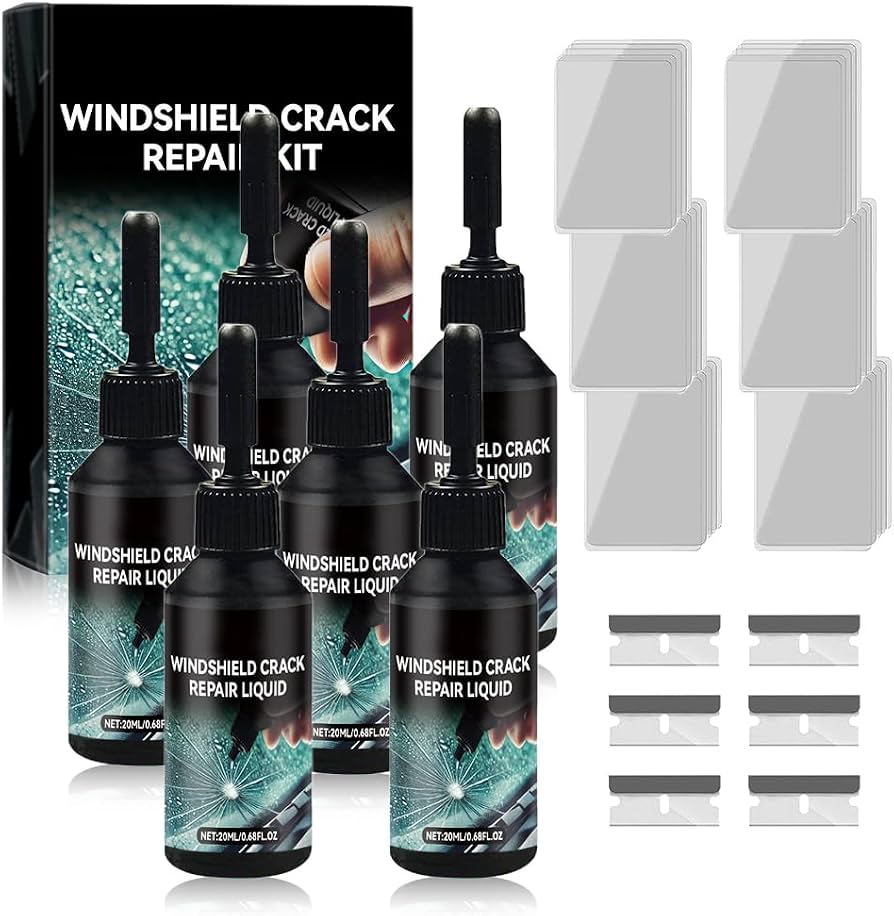

As an Amazon Associate, we may earn from qualifying purchases.
No comments yet. Be the first to share your thoughts!