
Set up your wallet and funds
Before you interact with any liquid staking protocol, you must ensure your digital environment is secure and your assets are ready. Liquid staking involves locking your crypto in smart contracts, which creates a high-stakes security scenario. If your wallet is compromised or you lack the necessary funds to cover network fees, you risk losing your principal or being unable to complete the transaction.
1. Choose a Secure Wallet
Select a non-custodial wallet that supports the specific blockchain you intend to stake on. For Ethereum-based liquid staking, MetaMask is a standard choice, while Solana users often prefer Phantom. Ensure the wallet is installed from the official source to avoid phishing clones. For significant stakes, consider using a hardware wallet like Ledger or Trezor to keep your private keys offline.
2. Fund Your Wallet
Transfer the cryptocurrency you wish to stake into your chosen wallet. Ensure you also have a small amount of the native token (e.g., ETH for Ethereum, SOL for Solana) to cover transaction gas fees. Staking requires on-chain interactions that cost network fees, so running out of gas will cause your transaction to fail.
3. Verify Network Compatibility
Confirm that your wallet is connected to the correct network. Interacting with a liquid staking protocol on the wrong network can result in permanent loss of funds. For example, sending Ethereum to a Solana-based liquid staking address will make those funds inaccessible. Double-check the network selector in your wallet interface before proceeding.
4. Check Protocol Requirements
Review the minimum staking amount and any lock-up periods specified by the liquid staking provider. Some protocols have no minimum, while others require a specific threshold. Understanding these constraints prevents failed transactions and ensures you are committing to terms you are comfortable with.
Open your non-custodial wallet and verify your balance. Ensure you have enough native tokens for gas fees and the full amount you intend to stake. This step confirms your readiness to interact with the blockchain.
Go to the official website of your chosen liquid staking protocol. Click the "Connect Wallet" button and select your wallet provider. Verify the URL to ensure you are on the legitimate site and not a phishing clone.
Enter the amount you wish to stake. Review the transaction details, including gas fees and expected rewards. Confirm the transaction in your wallet and wait for the blockchain to process it. Once confirmed, you will receive liquid staking tokens (LSTs) in your wallet.
Compare liquid staking protocols
Choosing the right liquid staking provider requires balancing yield potential against security and liquidity. The market has consolidated around a few major players, each offering distinct advantages depending on your portfolio needs. Lido remains the dominant force in Ethereum liquid staking, while Rocket Pool and Ankr provide viable alternatives for users seeking decentralization or multi-chain support.
Before committing funds, verify the protocol's audit history and Total Value Locked (TVL). Higher TVL generally indicates greater network security and liquidity, reducing the risk of slippage when you need to exit your position. Always cross-reference on-chain data with official protocol documentation to ensure you are interacting with the verified smart contracts.
The table below outlines the current landscape of leading liquid staking protocols, comparing their primary supported assets, approximate yield ranges, and market presence as of 2026.
| Protocol | Primary Chain | TVL Rank | Est. APY |
|---|---|---|---|
| Lido | Ethereum | 1 | 3-4% |
| Rocket Pool | Ethereum | 3 | 3-4% |
| Ankr | Multi-chain | 5 | 4-7% |
| Kinetiq | Ethereum | 6 | 3-4% |
Lido’s market leadership stems from its deep liquidity and broad integration across decentralized finance (DeFi) ecosystems. However, its centralized node operator structure has drawn scrutiny, making Rocket Pool’s decentralized approach attractive to privacy-conscious users. Ankr’s multi-chain strategy offers higher yields on assets like BNB and Cosmos, though it introduces additional smart contract risks across different networks.
For those preferring hardware security, securing your staking keys is essential. Consider using a dedicated hardware wallet to manage your staking assets and interact with protocol interfaces safely.


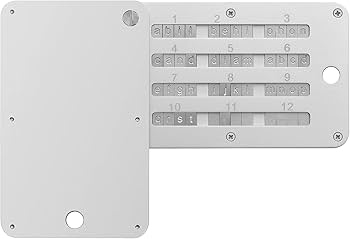
As an Amazon Associate, we may earn from qualifying purchases.
Deposit assets and receive stTokens
Depositing native assets into a liquid staking protocol converts your holdings into a liquid staking token (stToken). This process locks your crypto in a validator while issuing a receipt token that represents your claim. You can hold the stToken or use it in other DeFi applications to earn additional yield. The steps below outline the standard transaction flow.
Go to the official interface of the liquid staking protocol you have selected. Click the "Connect Wallet" button and approve the connection request in your wallet interface. Ensure you are on the correct domain to avoid phishing sites, as this is a high-stakes financial interaction.
Before depositing, you must authorize the protocol’s smart contract to access your tokens. This involves signing a transaction that grants the contract permission to move your assets. Review the gas fees and contract address carefully to ensure you are interacting with the legitimate protocol.
Enter the amount of native cryptocurrency you wish to stake. Confirm the transaction details, including any slippage settings or minimum output thresholds. Submit the transaction and wait for the blockchain network to process and confirm the deposit.
Once the transaction is confirmed, the protocol will mint and transfer the corresponding stTokens to your wallet. These tokens represent your staked position and accrue rewards over time. You can now use these stTokens in decentralized exchanges or lending protocols while your original assets continue to secure the network.
This mechanism allows you to maintain liquidity while earning staking rewards. As noted by industry analysis, this dual-yield capability is a primary driver for the growth of liquid staking derivatives in the current market cycle [src-serp-3]. Always verify the protocol’s audit status and security history before depositing significant funds.
Deploy stTokens in DeFi yield strategies
Liquid staking tokens (stTokens) like stETH or rSOL are designed to work twice: once for securing the network, and again to generate additional yield. This "double-dipping" capability is the primary reason to use them over traditional staking.
However, this extra yield comes with smart contract risk. You are exposing your assets to the protocols providing liquidity or lending. Always verify that the DeFi platform you choose has undergone a security audit from a reputable firm.
Before moving funds, confirm the stToken is trading at or near a 1:1 ratio with the underlying asset. Significant discounts often indicate protocol risk or liquidity issues. Use a live price feed to monitor the spread between the stToken and the native asset.
Choose a protocol where you can deposit your stTokens. Common options include lending platforms like Aave or Curve Finance for liquidity pools. Lending allows you to earn interest on deposits, while providing liquidity can generate trading fees and additional token rewards.
Connect your wallet to the selected DeFi protocol. Approve the token spending limit and deposit your stTokens. Review the Annual Percentage Yield (APY) carefully. Note that APYs fluctuate based on demand and can change rapidly.
Regularly check the health of your position. If the stToken de-pegs, you may face losses. In liquidity pools, monitor for impermanent loss, which occurs when the price ratio of the pooled assets changes significantly.
Monitor risks and rebalance positions
Liquid staking yields are not guaranteed; they fluctuate with network conditions and protocol health. To protect your capital, you must actively monitor three specific risk vectors: smart contract integrity, peg stability, and regulatory shifts. Treat your position like a living asset that requires regular maintenance, not a set-and-forget deposit.
Verify smart contract audits
Before entering or maintaining a position, confirm that the underlying protocol has undergone recent, independent security audits. Smart contract risk is binary: either the code holds, or it fails. Look for reports from reputable firms and check for any disclosed vulnerabilities or ongoing bug bounty programs. Do not rely solely on the protocol’s own marketing materials.
Track the staking token peg
Liquid staking tokens (LSTs) like stETH or rETH are designed to maintain a 1:1 peg with the underlying asset (e.g., ETH). However, during periods of market stress, this peg can break. Monitor the price differential between the LST and the base asset. A widening gap often signals underlying stress in the protocol or broader market panic. If the discount deepens significantly, it may be time to rebalance or exit to preserve capital.
Watch regulatory developments
Regulatory clarity remains a moving target. Changes in how jurisdictions classify staking rewards or liquid staking derivatives can impact liquidity and tax obligations. Stay informed through official channels and primary sources rather than speculative news. Sudden regulatory announcements can trigger rapid market corrections, affecting yield rates and token tradability.
Set rebalancing triggers
Define clear rules for when to rebalance. This might include:
- Yield drops below a specific threshold (e.g., < 3% APY).
- Peg deviation exceeds a set percentage (e.g., > 2% discount).
- A major protocol upgrade or security incident is announced.
Use a checklist to verify these conditions before making any changes. Proactive monitoring prevents emotional decision-making during volatile periods.
-
Verify peg stability against base asset
-
Check for recent, independent smart contract audits
-
Review regulatory status in your jurisdiction
-
Set clear rebalancing triggers for yield and peg deviation
By staying vigilant and data-driven, you can manage the complexities of liquid staking and protect your returns in 2026 and beyond.
No comments yet. Be the first to share your thoughts!