
Liquid staking derivatives 2026 market growth
The liquid staking market is expanding rapidly as institutional and retail capital seeks yield without sacrificing liquidity. Projections from Intel Market Research indicate the sector will grow from USD 198 million in 2025 to USD 572 million by 2032, reflecting a compound annual growth rate of 16.9% 1. This trajectory underscores the increasing reliance on these instruments for portfolio diversification and passive income generation.
Understanding this growth is critical for evaluating protocol selection in 2026. As the market matures, the focus shifts from mere adoption rates to the sustainability of yields and the security of underlying smart contracts. Investors must distinguish between temporary incentives and long-term structural value.
The following analysis compares leading protocols against these market dynamics, highlighting how each handles the trade-offs between yield, risk, and capital efficiency.
Comparing Top Liquid Staking Protocols
The landscape is dominated by a few major protocols, each offering distinct trade-offs between yield, decentralization, and liquidity. While Lido remains the market leader by total value locked (TVL), alternatives like Rocket Pool and Jito offer different value propositions for users prioritizing decentralization or specific ecosystem integrations. Understanding these differences is essential for selecting a protocol that aligns with your risk tolerance and DeFi strategy.
The following table compares the key metrics of the leading protocols. Note that APY and TVL figures are dynamic and subject to market conditions; always verify current rates on the official protocol dashboards before committing capital.
| Protocol | TVL Rank | Est. APY | Decentralization | Primary Chain |
|---|---|---|---|---|
| Lido (stETH) | 1 | 3-4% | Low (Majority Node Operators) | Ethereum |
| Rocket Pool (rETH) | 2 | 3-4% | High (DAO Managed) | Ethereum |
| Jito (JitoSOL) | 3 | 6-8% | Medium | Solana |
| Binance Staked ETH (BETH) | 4 | 3-4% | Low (Centralized) | Ethereum |
Lido: The Liquidity Standard
Lido is the largest liquid staking protocol, accounting for a significant portion of all staked ETH. Its primary advantage is deep liquidity; stETH is widely accepted across DeFi platforms as collateral. However, this dominance comes with centralization concerns, as a small number of node operators control the majority of the network's validation power. This concentration increases the systemic risk of a single point of failure or regulatory scrutiny.
Rocket Pool: Decentralization Focus
Rocket Pool prioritizes decentralization by allowing anyone to run a node with a lower minimum stake requirement (32 ETH for full nodes, or less via RPL staking). This structure distributes risk more broadly across the community. While its TVL is smaller than Lido's, rETH is gaining traction among users who prioritize censorship resistance and long-term protocol health over immediate liquidity depth.
Jito: Solana's Yield Leader
On Solana, Jito leads the liquid staking sector by offering higher yields than native staking. This is achieved by capturing MEV (Maximal Extractable Value) from transactions and distributing it to stakers. JitoSOL is deeply integrated into the Solana DeFi ecosystem, providing high liquidity and competitive returns. However, the complexity of MEV distribution introduces additional smart contract risks that users must understand.
Binance Staked ETH: Centralized Convenience
BETH offers a straightforward entry point for users already within the Binance ecosystem. It is centrally managed, meaning users rely on Binance's operational security and regulatory compliance. While convenient for trading and on-platform activities, BETH lacks the decentralized benefits of Lido or Rocket Pool and is less flexible for use in external DeFi protocols.
Restaking and L2 convergence trends
The architecture of liquid staking derivatives in 2026 is shifting from simple yield generation to complex capital reuse. Protocols are no longer just issuing tokens that represent staked ETH; they are integrating those tokens into restaking layers like EigenLayer and Layer 2 specific infrastructure. This convergence alters the yield landscape by introducing new reward vectors but also compounding smart contract risk.
Restaking allows stakers to delegate their security to multiple services simultaneously. While this increases the total value secured and potential yield, it creates a web of interdependencies. If a single restaked service fails, the validator’s entire stake is at risk. This "re-staking" model effectively turns liquid staking tokens into a shared security layer for the broader DeFi ecosystem, rather than just a passive savings account.
Layer 2 rollups are driving a parallel trend by introducing native staking incentives. Projects like StakeStone and Swell are building L2-specific staking solutions that optimize gas costs and yield distribution for rollup users. This localization of staking rewards encourages capital to stay within specific L2 ecosystems, fragmenting the broader Ethereum staking yield market into smaller, chain-specific pools.
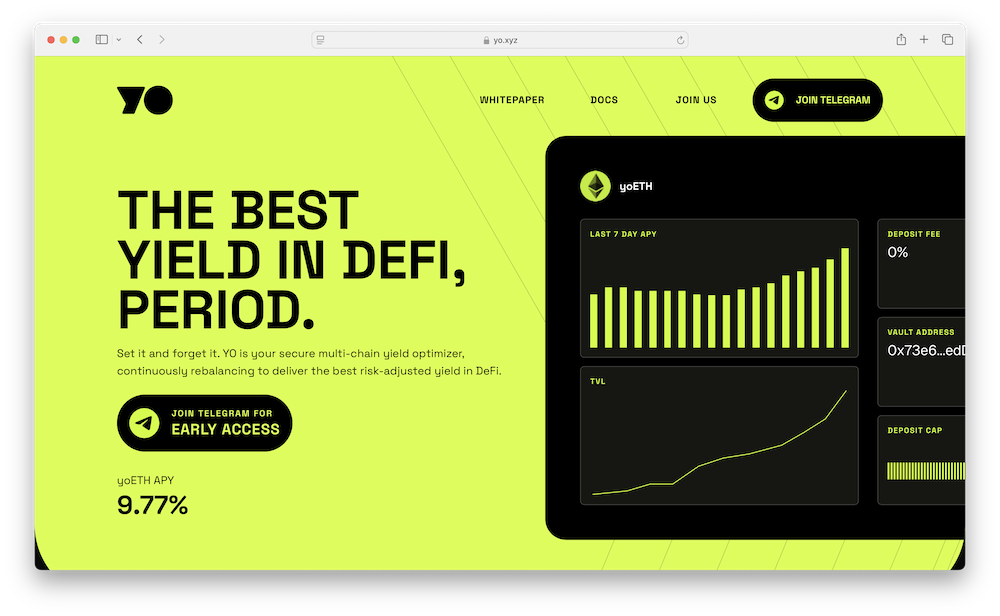
The technical reality of this convergence is visible in the volatility of peg stability. As LSTs are reused across restaking and L2 layers, their price relationship to the underlying asset can fluctuate more sharply than in a simple staking environment. Investors must monitor these pegs closely, as the complexity of the yield source often correlates with the risk of de-pegging.
De-pegging and smart contract risks
Liquid staking derivatives 2026 offer liquidity, but they introduce layers of complexity that native staking avoids. While the market grows, these instruments carry distinct hazards that can erode principal value faster than simple market volatility.
De-pegging occurs when the derivative token loses its 1:1 parity with the underlying asset. This usually happens during periods of extreme market stress or when a protocol faces liquidity shortages. If the derivative trades below par, holders face immediate realized losses when exiting positions, regardless of the underlying asset's performance.
Smart contract vulnerabilities present a more existential threat. Liquid staking protocols rely on complex code to manage validator keys and reward distribution. A single exploit or bug can lead to total loss of funds, a risk absent in direct staking where funds remain in the consensus layer. As noted by industry analysts, these protocols carry risks similar to other DeFi lending mechanisms, including potential for total loss due to code failures.
Slashing remains a shared risk, but LSDs often complicate the response. If a validator is slashed for downtime or malicious behavior, the protocol must absorb the penalty. In some cases, this can reduce the yield for all stakers or, in worst-case scenarios, impact the principal if the protocol's insurance fund is insufficient.
Understanding these mechanics is essential for high-stakes decision-making. The convenience of liquidity comes at the price of increased counterparty and technical risk.
Choosing the right yield strategy
Selecting a liquid staking derivatives 2026 strategy requires balancing yield potential against specific liquidity needs and risk tolerance. The market offers distinct paths depending on whether you prioritize maximum returns, capital efficiency, or ecosystem compatibility.
Prioritize liquidity for active DeFi
If you intend to use your staked assets as collateral in lending protocols or provide liquidity in decentralized exchanges, standard liquid staking tokens (LSTs) like stETH or rETH are the appropriate choice. These tokens maintain a 1:1 peg with the underlying asset and are widely accepted across major DeFi platforms. However, this flexibility often comes with slightly lower yields compared to wrapped variants or restaking protocols.
Maximize yield with restaking
For investors willing to lock up capital for higher returns, restaking protocols offer enhanced yield opportunities by re-staking LSTs across multiple security networks. While this approach can significantly boost APY, it introduces additional smart contract complexity and de-pegging risks. This strategy suits long-term holders who do not require immediate access to their principal and are comfortable with the nuanced risk profile of multi-layered staking.
Match the ecosystem
Your choice should also align with the blockchain ecosystem you are actively participating in. Staking natively on Solana via JitoSOL or on BNB Chain via WBETH often provides better integration and lower transaction costs within those specific networks. Choosing an LST native to your primary activity chain reduces friction and ensures seamless compatibility with local dApps and liquidity pools.
Frequently asked: what to check next
Investors should also consider which crypto sectors are most bullish for 2026. While Bitcoin and Ethereum remain dominant, liquid staking derivatives specifically thrive in ecosystems with high staking participation and active DeFi liquidity pools. Understanding these sector trends is crucial for selecting the right protocol.
Footnotes
-
Intel Market Research, "Liquid Staking Market Outlook 2026-2032", https://www.intelmarketresearch.com/liquid-staking-market-23520 ↩
No comments yet. Be the first to share your thoughts!