
Get liquid staking 2026 right
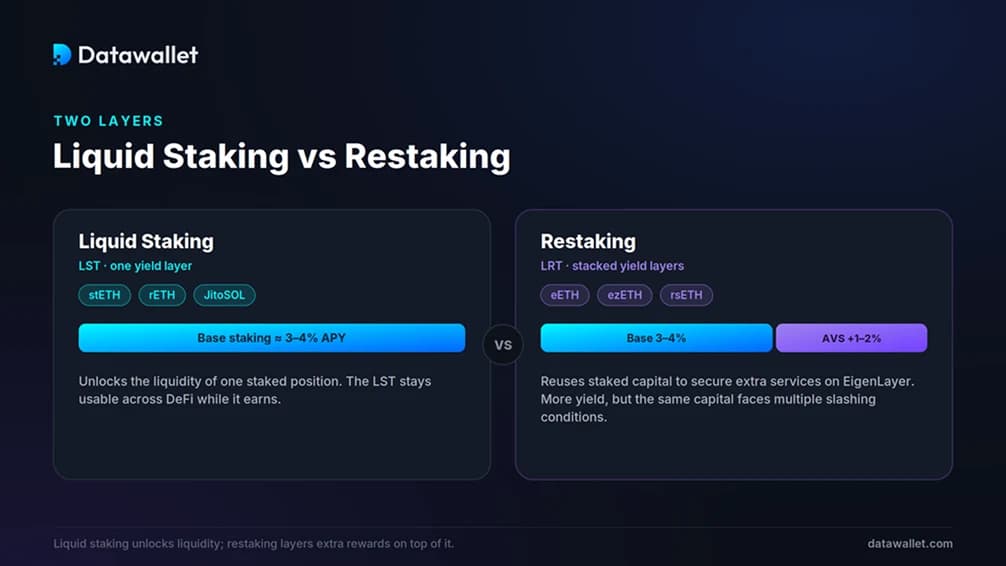
Before you lock funds into a liquid staking protocol, you need to verify the underlying mechanics. Liquid staking is no longer a niche DeFi experiment; it is becoming a default yield infrastructure layer for assets like Ethereum and Solana. However, the yield comes with specific trade-offs that vary by protocol.
Start by identifying the validator operator. Not all validators are created equal. Check if the operator has a history of slashing events and how much of their own capital is bonded alongside user deposits. A protocol that relies on a single, unknown validator exposes you to unnecessary risk. Look for established operators with transparent performance dashboards.
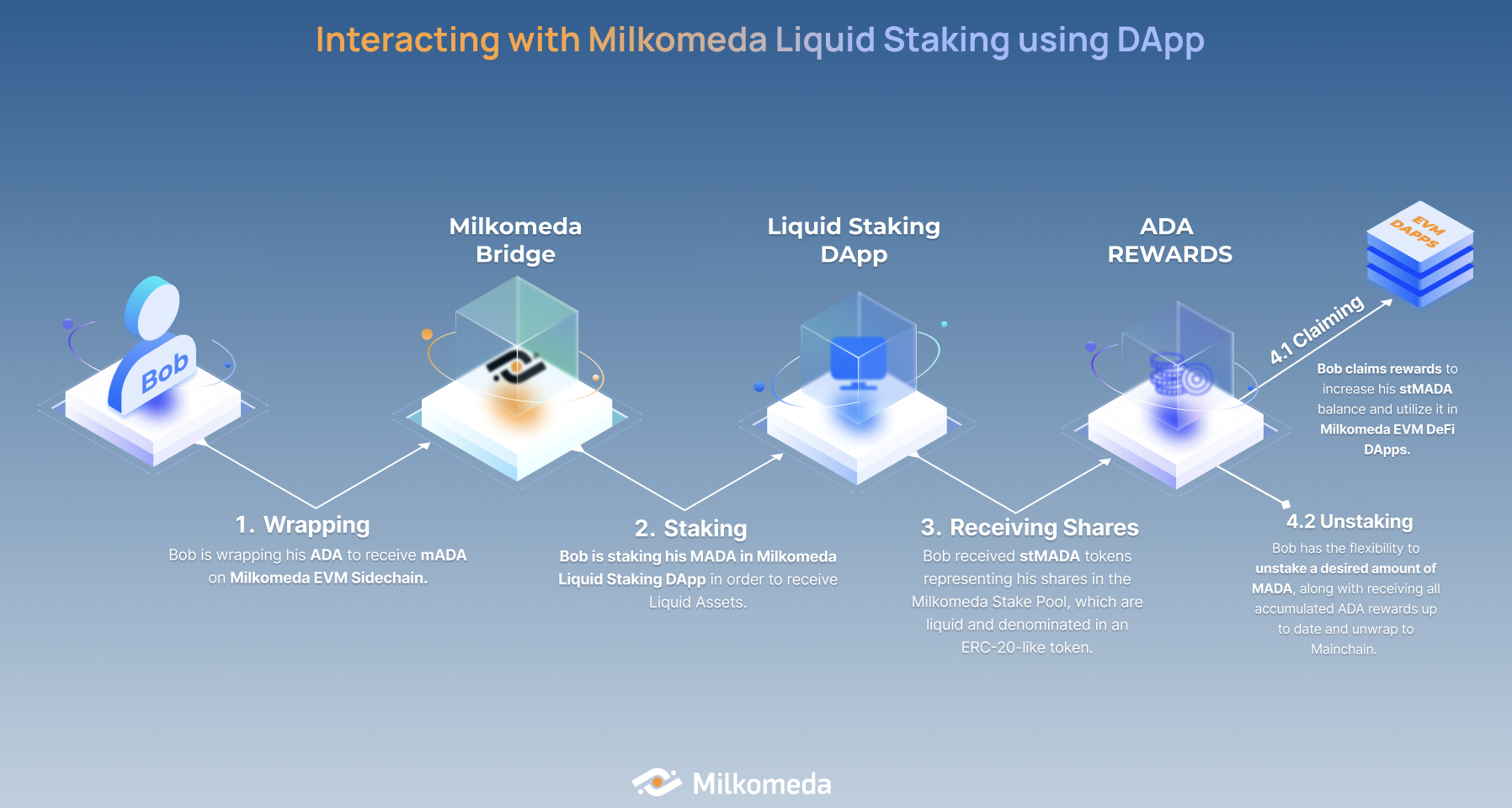
Next, examine the liquid staking token (LST) itself. You need to understand the redemption mechanics. Can you unstake immediately, or is there a queue? In 2026, some networks have introduced delays to prevent mass exits during volatility. If you need immediate liquidity, a token with a 1:1 peg to the underlying asset and instant redemption is non-negotiable. Avoid tokens with complex rebasing mechanisms unless you fully understand the tax implications.
Finally, assess the fee structure. Protocols charge staking fees, protocol fees, and sometimes hidden slippage costs. Compare the net annual percentage yield (APY) after all fees are deducted. A high gross yield often masks high operational costs. Ensure the net return justifies the smart contract risk you are assuming. If the spread is too thin, the complexity isn't worth the effort.
Work through the steps
Liquid Staking works best as a clear sequence: define the constraint, compare the realistic options, test the tradeoff, and choose the path with the fewest hidden costs. That order keeps the advice usable instead of decorative. After each step, pause long enough to check whether the recommendation still fits the reader's actual situation. If it depends on perfect timing, unusual access, or a best-case budget, include a simpler fallback.
Fix common liquid staking mistakes
Even with the market projected to grow at a 16.9% CAGR through 2032, many users still lose money on liquid staking (LS) protocols due to avoidable errors. The yield is real, but the infrastructure is complex. Here are the most frequent pitfalls and how to correct them.
Ignoring slashing risk
Slashing occurs when validators are penalized for downtime or malicious behavior. While most liquid staking protocols distribute insurance funds to cover these losses, they are not unlimited. If a protocol’s insurance fund is depleted, stakers may lose a portion of their principal. Always check the protocol’s historical slashing events and insurance fund size before depositing. Do not assume the platform will absorb all losses.
Overlooking depegging events
Liquid staking tokens (LSTs) like stETH or mSOL are designed to track the price of the underlying asset. However, during periods of market stress or smart contract exploits, these tokens can depeg. If you need to exit a position quickly, you may face significant slippage or be forced to sell at a loss. Keep a portion of your portfolio in stablecoins or native assets to avoid being trapped in a depegged LST during a crisis.
Chasing the highest APY
It is tempting to move funds to the protocol offering the highest annual percentage yield (APY). However, unsustainable yields often signal higher risk, such as reliance on volatile incentive tokens or lower security standards. The best 3 performing Liquid Staking cryptocurrencies right now are Liquid Staked ETH with +9.78%, Marinade staked SOL with +4.82%, and Jitosol with +4.74%. These returns are competitive but not outliers. Prioritize protocols with long track records and audited smart contracts over those with inflated, short-term incentives.
Forgetting about tax implications
Earning yield on staked assets can trigger taxable events in many jurisdictions. Some protocols distribute rewards in the form of additional LSTs, which may be considered income at the time of receipt. Keep detailed records of your staking rewards and any fees paid. Consult a tax professional familiar with cryptocurrency regulations in your country to ensure compliance.
Liquid staking 2026: what to check next
Helpful gear
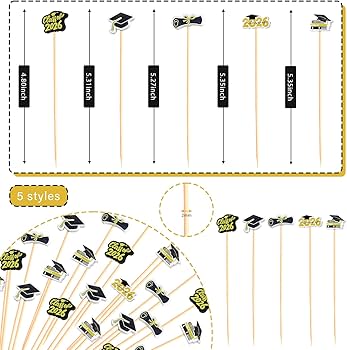
Use these product recommendations as a starting point, then choose the size, material, and price point that fit how you actually use the gear.

As an Amazon Associate, we may earn from qualifying purchases.
No comments yet. Be the first to share your thoughts!