

Automated yield stacking is quickly becoming a cornerstone strategy for DeFi investors seeking to maximize returns while keeping their assets flexible. At the heart of this approach are liquid staking tokens (LSTs), which unlock new layers of earning potential by letting you put your staked assets to work across multiple protocols, without sacrificing liquidity. With Ethereum (ETH) currently priced at $4,508.85, the appeal of earning additional yield on top of staking rewards is stronger than ever.
Liquid Staking Tokens: The Engine Behind Automated Yield Stacking
Traditional staking asks you to lock up your crypto, but liquid staking flips the script. Instead of waiting passively for rewards, you receive LSTs like stETH or rETH in exchange for your staked ETH. These tokens remain fully tradable and composable in DeFi, making them ideal vehicles for advanced yield strategies.
Here’s where the magic happens: your LSTs can be deployed into lending protocols, liquidity pools, or even used as collateral to borrow more assets and restake, layering yields in a process known as automated yield stacking. Think of it as turbocharging your passive income streams, all while retaining the ability to exit positions if market conditions shift.
LSTs are game-changers, they let you earn rewards from network security and DeFi simultaneously. But with great power comes great responsibility: understanding risks is key.
Protocols Powering Automated Yield Stacking
The rise of automated tools has made multi-layered yield easier than ever. Leading platforms like Lido, Rocket Pool, and lending giants such as Aave provide seamless integrations for LSTs:
- Lido: Stake ETH and receive stETH, which can be used throughout DeFi ecosystems.
- Rocket Pool: Decentralized ETH staking with rETH tokens for flexible use cases.
- Aave: Deposit LSTs as collateral to borrow other assets or leverage up your position.
This composability means you can stack yields by moving your LSTs between protocols, staking, lending, borrowing, and farming all at once. For an in-depth look at how these platforms interconnect for effortless stacking, check out our guide on how liquid staking tokens enable effortless yield stacking across DeFi platforms.
Navigating Risks: What Every Yield Stacker Should Know
No strategy is without its pitfalls. While automated yield stacking with LSTs offers flexibility and compounding returns, it also introduces a web of interconnected risks. Here’s what’s on every savvy investor’s radar right now:
Key Risks of Using LSTs in Automated DeFi Strategies
- Smart Contract Vulnerabilities: Automated DeFi strategies with LSTs depend on complex smart contracts. Bugs or exploits in these contracts can result in significant loss of funds, as seen in past DeFi protocol hacks.

- Liquidity Risks: LSTs like stETH or rETH may become illiquid during market volatility, making it difficult to swap back to ETH or other assets without incurring high slippage or delays.
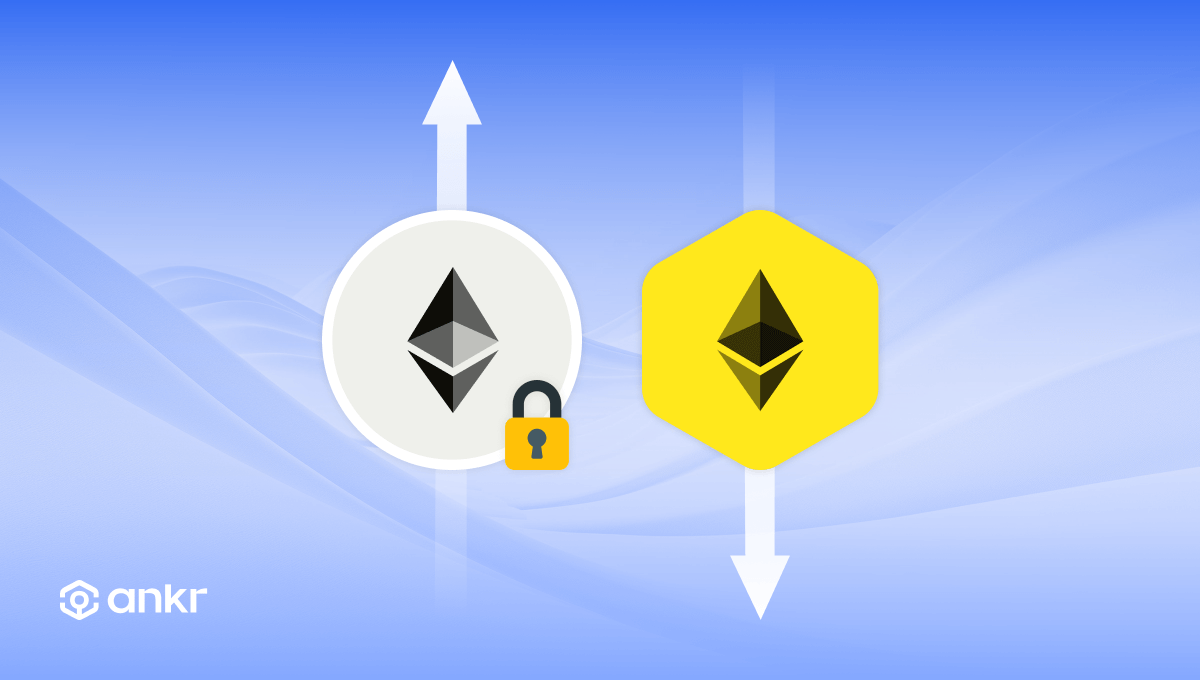
- Depegging Risks: LSTs are intended to track the value of their underlying assets (e.g., ETH), but price deviations can occur during turbulent markets, leading to unexpected losses for holders.
- Slashing Risks: If validators misbehave or fail to meet network requirements, a portion of staked assets can be slashed, directly impacting the value of associated LSTs.
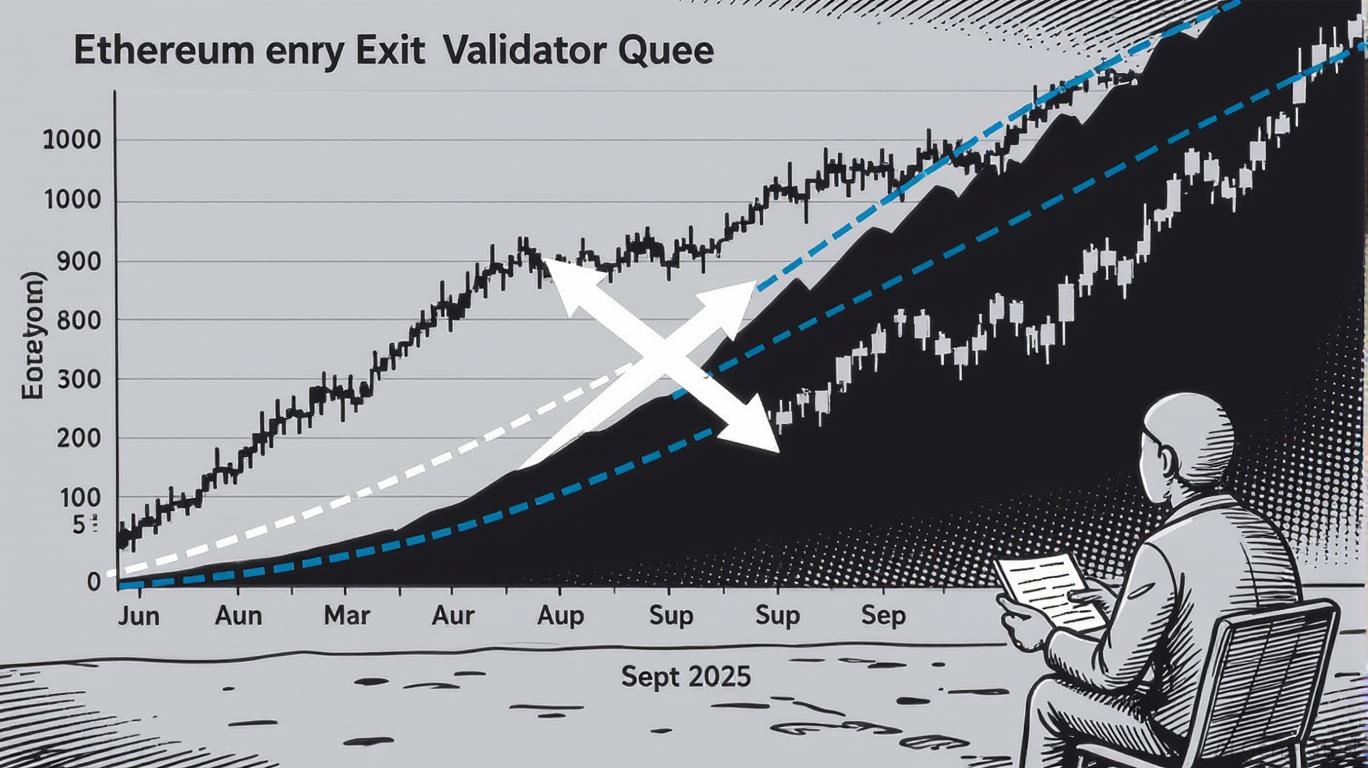
- Leverage Amplification: Using LSTs as collateral to borrow or stack yields can magnify both gains and losses. In a downturn, this can trigger liquidations and compound losses rapidly.

The most prominent concerns include smart contract vulnerabilities (each protocol adds another layer of risk), liquidity crunches during volatile markets (making it tough to exit positions), depegging events where LST value drifts from its underlying asset (like stETH trading below ETH), slashing penalties if validators misbehave, and leverage-induced liquidations when prices swing against you.
The good news? Most experts agree that while risks exist, especially at the bleeding edge of DeFi, LST-related risks are generally lower than many other speculative plays in crypto (Origin Protocol). Still, due diligence is non-negotiable; always check audits and protocol track records before committing capital.
Ethereum (ETH) Price Prediction 2026-2031
Forecast Based on Automated Yield Stacking, LST Adoption, and DeFi Trends
| Year | Minimum Price | Average Price | Maximum Price | Year-over-Year % Change (Avg) | Market Scenario Insights |
|---|---|---|---|---|---|
| 2026 | $3,950 | $5,150 | $6,400 | +14.2% | Consolidation phase; DeFi/LST usage grows, but regulatory uncertainty tempers bullishness |
| 2027 | $4,330 | $5,880 | $7,900 | +14.2% | Renewed market optimism as LST protocols mature, ETH staking mainstream; potential for volatility if global rates shift |
| 2028 | $4,900 | $6,720 | $9,200 | +14.3% | Increased institutional adoption, scaling upgrades boost DeFi activity; LST risks well-managed |
| 2029 | $5,500 | $7,670 | $10,800 | +14.1% | ETH becomes a core DeFi collateral asset; global crypto regulations more defined, supporting price stability |
| 2030 | $6,200 | $8,750 | $12,500 | +14.1% | Bullish scenario: ETH benefits from cross-chain LST integrations and mainstream finance partnerships |
| 2031 | $7,100 | $9,980 | $14,200 | +14.1% | Matured DeFi ecosystem, ETH solidifies as a yield-generating asset; technology upgrades and adoption drive growth |
Price Prediction Summary
Ethereum's price outlook from 2026-2031 remains robust, supported by the growing adoption of automated yield stacking and liquid staking tokens (LSTs). While short-term volatility is expected due to regulatory and technical risks, ETH's expanding role in DeFi, improved staking infrastructure, and increasing institutional participation are projected to drive consistent year-over-year growth. The minimum and maximum price predictions reflect both bearish and bullish scenarios, accounting for potential setbacks and breakthrough innovations.
Key Factors Affecting Ethereum Price
- Widespread adoption of liquid staking and yield stacking protocols increasing demand for ETH as collateral and staking asset
- Continuous Ethereum network upgrades (scalability, security, energy efficiency) supporting DeFi growth
- Regulatory clarity and global acceptance of staking and DeFi products
- Smart contract and protocol security improvements reducing risk of major exploits
- Competition from other smart contract platforms and potential shifts in DeFi market share
- Macro-economic factors (interest rates, institutional crypto allocation, global financial policy) influencing overall market sentiment
- Potential for new use cases (e.g., real-world asset tokenization, cross-chain DeFi) expanding ETH utility
Disclaimer: Cryptocurrency price predictions are speculative and based on current market analysis. Actual prices may vary significantly due to market volatility, regulatory changes, and other factors. Always do your own research before making investment decisions.
LST Yield Strategies: Compounding Gains Without Losing Sleep
If you’re aiming to optimize returns without turning into a full-time risk manager, diversification is your best friend. Spreading exposure across multiple protocols reduces dependency on any single platform’s performance or security posture. Automated compounding tools further enhance returns by reinvesting yields without manual effort, a favorite among hands-off investors looking for scalable gains.
This dynamic landscape continues to evolve rapidly as new integrations emerge between staking providers and DeFi protocols. For those ready to get started or level up their approach, our deep dive into LP-LST strategies offers actionable insights into boosting both yield and liquidity in today’s market climate: How LP-LST Strategies Boost Yield and Liquidity in DeFi (Case Study).
Staying agile is not just a bonus in DeFi - it’s essential. As Ethereum (ETH) holds steady at $4,508.85, automated yield stacking with liquid staking tokens (LSTs) has become a preferred tactic for both risk-conscious and yield-hungry participants. The interplay between protocols means that opportunities and risks are always shifting, so capitalizing on real-time data and automation can make the difference between steady growth and sudden setbacks.
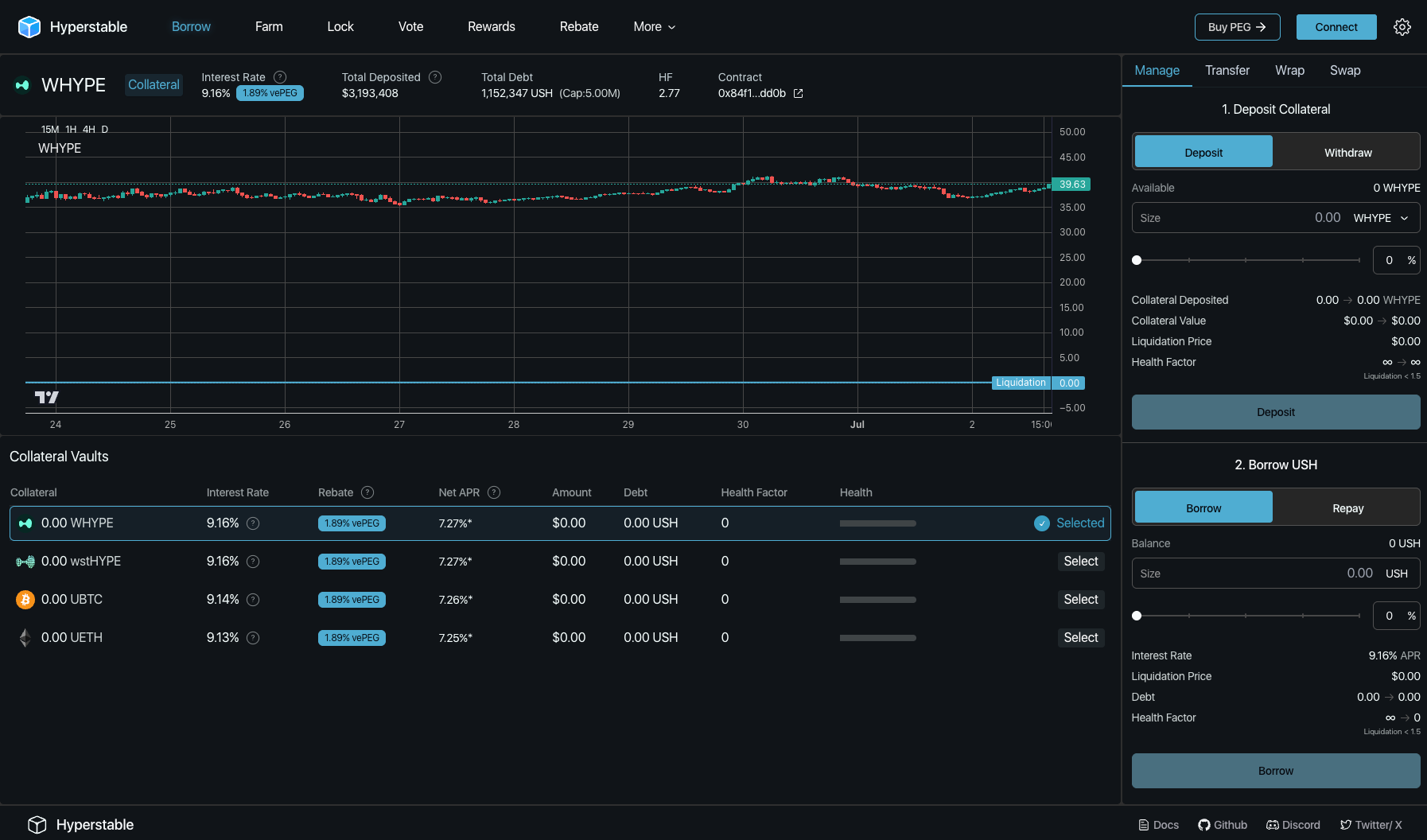
DeFi Leverage Automation: Smart Moves for Smarter Returns
Automated platforms now offer streamlined ways to stack yields without constant oversight. For example, leveraging your stETH or rETH as collateral on Aave lets you borrow additional ETH, which can be restaked or used elsewhere for even more yield. This loop - sometimes called recursive staking or leverage stacking - amplifies returns in bull markets but also magnifies exposure to liquidation if prices dip below safe collateral ratios.
Protocols like LTV Protocol are pioneering precise risk controls for this kind of automation, allowing users to set custom liquidation thresholds and automate rebalancing based on market movements. This helps manage the risk of automated staking while still unlocking the power of compounding yields.
Checklist: Building a Resilient Yield Stacking Strategy
Before diving into automated yield stacking with LSTs, consider these steps to maximize your upside while safeguarding your capital:
A few best practices stand out: regularly review protocol audits, monitor peg stability of your chosen LSTs (for example, ensuring stETH tracks ETH closely), and avoid over-leveraging during periods of high volatility. Automated tools are powerful allies but should complement - not replace - active risk management.
Community Sentiment and Next Steps
The DeFi community remains bullish on the future of LST-based strategies as composability increases and new integrations roll out almost weekly. Many users report that the flexibility and efficiency gains outweigh the added complexity - especially when using platforms designed with robust automation features and transparent risk metrics.
What’s your top priority when choosing an automated LST yield stacking strategy?
Automated yield stacking with Liquid Staking Tokens (LSTs) lets you maximize returns by leveraging staked assets across DeFi protocols like Lido, Rocket Pool, and Aave. With risks like smart contract vulnerabilities, liquidity issues, and depegging, it’s important to know what matters most to you. Share your top priority below!
If you’re looking to deepen your understanding or want actionable guides tailored to today’s market conditions, don’t miss our coverage on how liquid staking tokens enable effortless yield stacking across DeFi platforms. And remember: staying informed is just as important as finding the next big APY.


No comments yet. Be the first to share your thoughts!