

Liquid staking vaults have become a cornerstone of DeFi yield optimization, allowing crypto holders to transform staked assets into versatile building blocks for advanced strategies. With Ethereum (ETH) trading at $3,875.25, the liquid staking token (LST) ecosystem is more vibrant than ever, offering new avenues for compounding returns and mitigating opportunity costs. Below, we’ll explore three actionable strategies for maximizing yield with LSTs: automated compounding via vaults, liquidity provision on DEXs, and collateralized lending for leveraged yield.

Automated Compounding: Deposit LSTs into Yield-Optimizing Vaults
One of the most effective ways to enhance your staking rewards is by depositing LSTs into specialized yield-optimizing vaults such as Yearn Finance or Beefy Finance. These platforms aggregate user deposits and deploy them across top-performing protocols, automatically harvesting and compounding yields back into your position. This approach not only removes the manual burden of claiming and restaking rewards but also leverages economies of scale to access higher-yield strategies unavailable to individual users.
The result? Consistent compounding that can significantly boost your annual percentage yield (APY) over time. For example, depositing stETH or rETH into a Yearn vault means your rewards are reinvested frequently, harnessing the power of exponential growth. This is particularly attractive in today’s competitive DeFi environment where every incremental gain counts.
If you’re interested in diving deeper into how liquid staking vaults optimize yield while keeping your assets accessible for DeFi strategies, explore our in-depth guide: How Liquid Staking Vaults Optimize Yield.
Liquidity Provision: Provide LSTs on Decentralized Exchanges
Another powerful strategy involves putting your LSTs to work as liquidity on decentralized exchanges (DEXs) like Curve or Balancer. By supplying liquidity to pools composed of LST/native asset pairs (such as stETH/ETH), you can earn a share of trading fees alongside protocol incentives, on top of the underlying staking rewards from your LST.
This method offers a dual-yield opportunity: you’re not only collecting staking rewards but also capturing fees generated by traders swapping between assets in the pool. Pairing an LST with its underlying asset can help minimize impermanent loss compared to pairing with stablecoins, making it a favored approach among risk-conscious DeFi participants.
The flexibility here is key, liquidity provision allows you to stay liquid while stacking multiple sources of yield. For a closer look at how LP-LST strategies can boost both yield and liquidity in DeFi, check out our case study: LP-LST Strategies Case Study.
Collateralized Lending: Use LSTs as Collateral for Leveraged Yield
Lending protocols like Aave or Morpho Blue now accept major LSTs as collateral, unlocking another layer of capital efficiency. By depositing your LSTs as collateral, you can borrow stablecoins such as USDC or DAI at competitive rates, then reinvest those borrowed funds back into more LST positions or other high-yield opportunities.
This recursive process is known as leveraged staking or recursive lending. It allows users to amplify their exposure to staking rewards while maintaining a degree of flexibility over their portfolio composition. However, it’s important to monitor liquidation risks closely; if the value of your collateral drops below required thresholds (for example, if ETH falls sharply from its current price of $3,875.25), your position may be liquidated.
This strategy is best suited for experienced users comfortable with managing debt positions and understanding protocol-specific parameters around loan-to-value ratios and interest rates.
When executed responsibly, using LSTs as collateral can unlock a powerful flywheel of yield generation in DeFi. It’s a technique embraced by sophisticated investors seeking to maximize capital efficiency without sacrificing liquidity. For readers eager to explore how yield stacking with liquid staking tokens can push returns even further, our comprehensive guide on maximizing yield stacking with LSTs provides actionable insights and advanced tactics.
Risk Management and Security
While the opportunities for yield optimization are substantial, each strategy comes with its own set of risks. Automated vaults may be exposed to smart contract vulnerabilities or underlying protocol failures. Liquidity provision can introduce impermanent loss during volatile market swings, while leveraged lending magnifies both gains and potential losses if market conditions move unfavorably. Always assess the smart contract audits, insurance options, and historical performance of protocols before allocating significant capital.
Another essential consideration is diversification: spreading your LSTs across multiple vaults, DEX pools, and lending platforms can help buffer against isolated incidents or underperformance in a single strategy. Regularly reviewing your positions and staying informed about evolving DeFi standards is crucial for long-term success.
Staying Ahead in the Evolving LST DeFi Landscape
The pace of innovation in liquid staking DeFi is relentless. New protocols like Pendle Finance enable users to split future yield from principal, while restaking platforms such as EigenLayer open up additional reward streams for LST holders willing to secure emerging networks. Staying current with these developments empowers you to adapt your strategies as new opportunities arise.
For those seeking passive income without constant oversight, auto-compounding vaults remain a strong foundation. Active users may combine all three core approaches, compounding vaults, liquidity provision, and collateralized lending, to build a diversified portfolio that balances risk and reward.
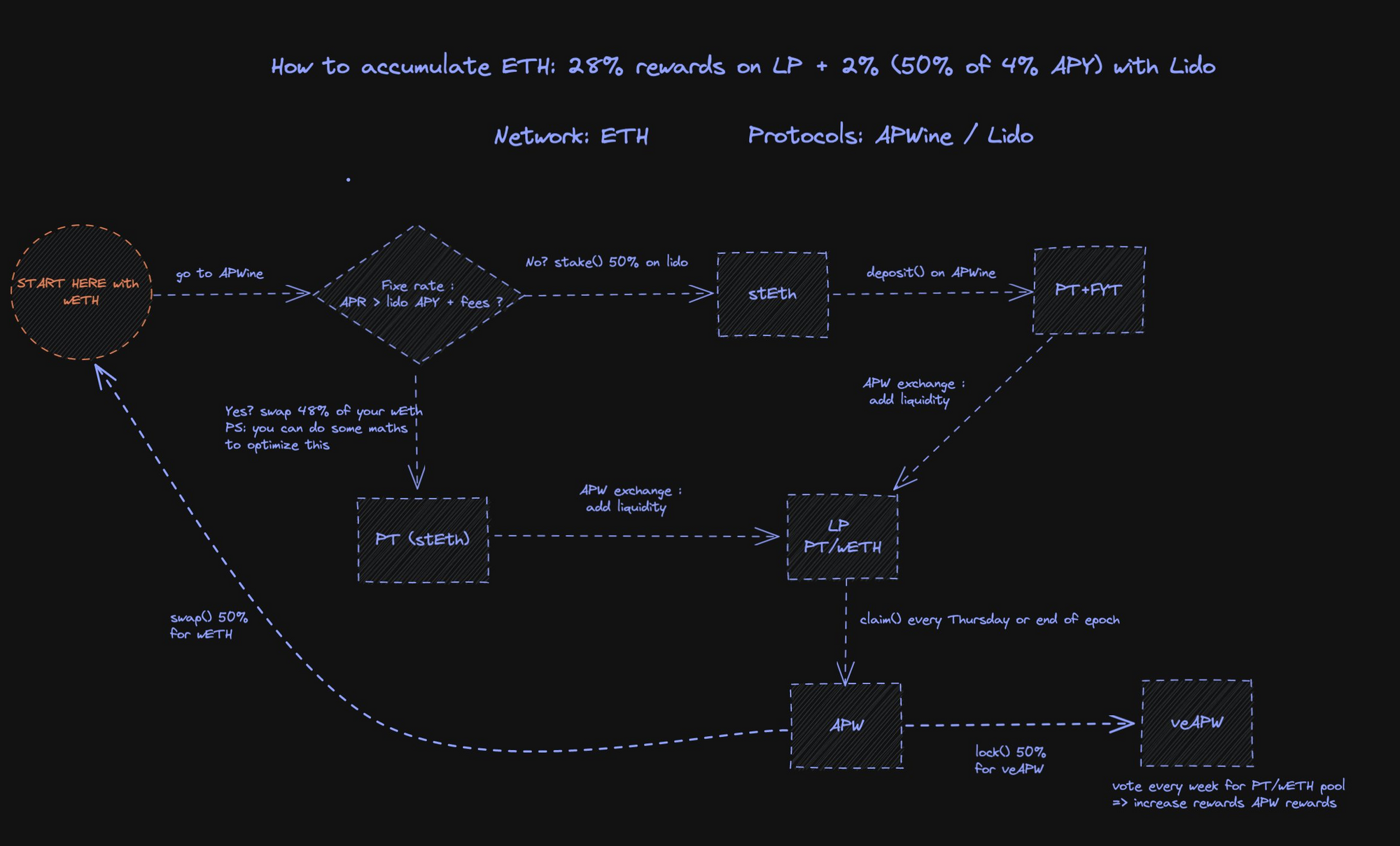
As Ethereum holds steady at $3,875.25, the flexibility offered by liquid staking tokens continues to redefine what’s possible for DeFi investors. By understanding how to deploy LSTs across these core strategies, and by practicing prudent risk management, you can position yourself at the forefront of DeFi yield optimization.
If you’re ready to deepen your expertise or refine your current approach, explore our related resources on advanced LST strategies in DeFi. As always, patience and ongoing education are key allies on the path to sustainable returns in this dynamic ecosystem.




No comments yet. Be the first to share your thoughts!