

In 2025, yield stacking with liquid staking tokens (LSTs) has become a cornerstone strategy for sophisticated DeFi investors aiming to optimize returns without sacrificing liquidity. As Ethereum trades at $3,085.46, and Solana LSTs like JitoSOL and mSOL surge in popularity, the focus has shifted from simple staking to multi-layered yield compounding. This guide unpacks the most effective strategies, risks, and platforms shaping the LST landscape, drawing on up-to-the-moment data and practical insights.
How Yield Stacking with Liquid Staking Tokens Works in 2025
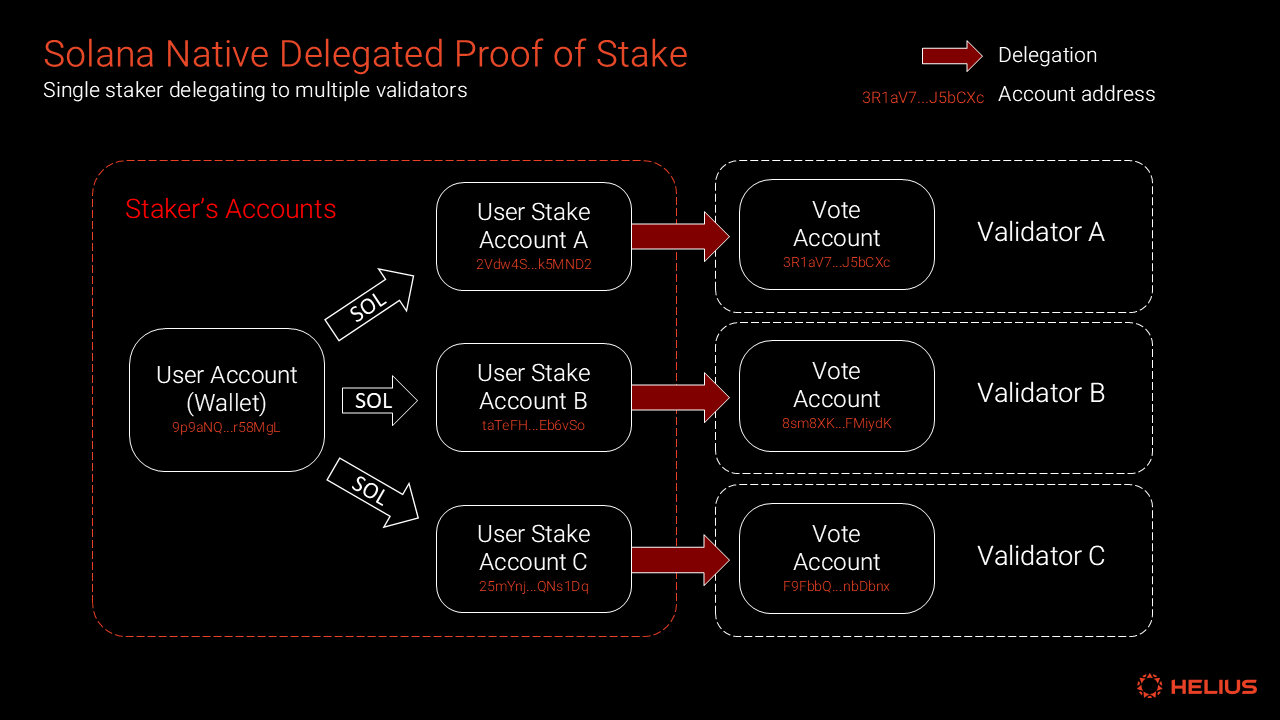
LSTs represent staked assets (such as ETH or SOL) but remain fully liquid, allowing users to deploy them across DeFi protocols for additional yield. In 2025, the ecosystem has matured with innovative mechanisms that enable users to stack multiple layers of rewards on top of base staking yields. The core principle: never let your staked capital sit idle. Instead, use it as productive collateral throughout the DeFi stack.
This approach is exemplified by protocols like Sanctum (Solana), which offers a diverse suite of Solana LSTs, including INF, JupSOL, and JitoSOL, and integrates restaking opportunities for layered incentives. On Ethereum, EigenLayer pioneered restaking by letting users redeploy LSTs to secure new decentralized services in exchange for extra rewards. Automated yield optimizers such as Kamino Finance further streamline this process by dynamically reallocating assets between top-performing pools for maximum APY.
The Top 3 Yield Stacking Strategies Every DeFi User Should Know
- LST Restaking for Layered Yield:
Deposit Solana-based LSTs (like JitoSOL or mSOL) into restaking protocols such as Sanctum or EigenLayer-inspired equivalents. This unlocks both base staking rewards and protocol-specific incentives, sometimes pushing effective yields above 8.5%. For example, users can stake SOL on Sanctum to receive JitoSOL, then restake that token within integrated services for an additional layer of rewards. - Yield Farming with LST Collateral:
Use your LSTs as collateral on leading Solana lending platforms like MarginFi or Solend. Borrow stablecoins against these assets and redeploy them into high-yield pools or farms, compounding your returns while maintaining exposure to the underlying staked asset. - Automated LST Yield Aggregation:
Leverage advanced yield optimizers such as Kamino Finance that automatically rebalance your portfolio among top-performing LSTs and DeFi pools. This minimizes manual intervention while maximizing APY through continuous optimization based on real-time market conditions.
Each method comes with its own risk profile but collectively forms a robust toolkit for investors determined to extract every possible basis point from their crypto holdings.
For a deeper dive into multi-protocol strategies and step-by-step guides on implementing these approaches, see our resource: How to Maximize Yield Stacking with Liquid Staking Tokens (LSTs) Across Multiple DeFi Protocols.
Navigating Risks: What Every Yield Stacker Must Consider
The allure of double-digit yields comes with heightened risks that prudent investors cannot ignore:
- Smart Contract and Protocol Risk: With each additional protocol layer, especially newer restaking integrations, the attack surface grows. Exploits or bugs can lead to significant fund losses.
- Depegging and Liquidity Risk: During periods of market stress, LSTs may lose their 1: 1 peg relative to their underlying asset (e. g. , mSOL vs SOL), causing slippage or unfavorable exit prices when liquidity dries up.
- Slashing and Validator Performance: Poor validator performance can trigger network slashing events that reduce both base yields and principal value of staked assets, even if mitigated by some platforms’ insurance funds.
A balanced approach involves continuous monitoring of protocol updates, auditing smart contract code where possible, and diversifying across platforms rather than concentrating exposure in a single ecosystem.
Ethereum (ETH) Price Prediction 2026-2031: Yield Stacking & Liquid Staking Impact
Forecasts consider LST adoption, DeFi expansion, and market cycles post-2025
| Year | Minimum Price (Bearish Scenario) | Average Price (Base Case) | Maximum Price (Bullish Scenario) | % Change (Avg YoY) | Key Market Scenario |
|---|---|---|---|---|---|
| 2026 | $2,600 | $3,350 | $4,200 | +8.6% | Post-ETF volatility; DeFi/LST adoption supports base |
| 2027 | $2,750 | $3,800 | $5,200 | +13.4% | Layered yield strategies mature; regulatory clarity improves |
| 2028 | $3,100 | $4,500 | $6,500 | +18.4% | ETH 2.0 upgrades, LSTs mainstream, DeFi integration expands |
| 2029 | $3,400 | $5,200 | $7,800 | +15.6% | Institutional adoption, stable macro, LSTs drive TVL |
| 2030 | $3,900 | $6,100 | $9,000 | +17.3% | Cross-chain staking, global DeFi growth, ETH as reserve asset |
| 2031 | $4,200 | $7,200 | $11,500 | +18.0% | Full LST/DeFi maturity, ETH at center of Web3 economy |
Price Prediction Summary
Ethereum is forecasted to experience steady growth through 2031, fueled by the expanding adoption of liquid staking tokens (LSTs), DeFi innovations, and maturing restaking strategies. While minimum prices reflect potential bear market pressures or regulatory shocks, the average and maximum scenarios anticipate successful technology upgrades, increased institutional participation, and ETH's growing role in decentralized finance. The progressive increase year-over-year reflects both organic network effects and the compounding utility from yield stacking and LST integrations.
Key Factors Affecting Ethereum Price
- LST and restaking adoption rates across DeFi platforms
- Ethereum network upgrades (e.g., scaling, security, sharding)
- Global regulatory developments impacting staking/yield protocols
- Competition from alternative L1s (e.g., Solana, Avalanche) and their LST ecosystems
- Institutional adoption and ETF-related flows
- Macro market cycles (crypto winter vs. bull runs)
- Security and risk management improvements in DeFi protocols
Disclaimer: Cryptocurrency price predictions are speculative and based on current market analysis. Actual prices may vary significantly due to market volatility, regulatory changes, and other factors. Always do your own research before making investment decisions.
To further safeguard your capital, many seasoned DeFi users employ automated risk management tools and set strict thresholds for yield-versus-risk tradeoffs. For example, when using Kamino Finance’s yield aggregator, you can configure parameters that automatically rebalance away from underperforming or high-risk pools. This automation not only optimizes returns but also provides a buffer against sudden market shocks or protocol-specific incidents.
The Leading Platforms Powering Yield Stacking in 2025
The rapid evolution of liquid staking has produced a handful of standout platforms, each catering to different segments of the DeFi landscape:
- Sanctum (Solana): Renowned for its integrated suite of Solana LSTs, INF, JupSOL, JitoSOL, Sanctum allows users to restake these tokens for layered rewards. Its intuitive dashboard and deep liquidity pools make it a go-to choice for both novice and advanced yield stackers.
- EigenLayer (Ethereum): The original restaking innovator on Ethereum, EigenLayer enables users to deploy ETH-based LSTs into new decentralized security services. Its model has inspired cross-chain equivalents on Solana and beyond, setting the benchmark for layered yield protocols.
- Kamino Finance (Solana): As an advanced yield optimizer, Kamino automates portfolio management by reallocating assets among the best-performing LSTs and pools. This minimizes manual oversight while maximizing APY, a crucial advantage as DeFi complexity grows.
For those seeking more comprehensive platform comparisons and evolving best practices in liquid staking DeFi compounding, our detailed guide at How Liquid Staking Tokens (LSTs) Unlock Advanced Yield Strategies in DeFi offers actionable insights tailored to both Ethereum and Solana ecosystems.
Actionable Checklist: Maximizing Returns While Managing Risk
The future of LST yield optimization strategies lies in balancing aggressive compounding with prudent risk controls. As base yields compress across major chains, even with Ethereum at $3,085.46, savvy investors are increasingly looking to platforms like Sanctum and Kamino Finance to unlock sustainable multi-layered returns without overexposing themselves to protocol fragility or depegging events.
If you’re ready to take your liquid staking strategy further or want a refresher on foundational principles behind these innovations, explore our related resource: How to Maximize Yield with Liquid Staking Tokens (LSTs) in DeFi: Strategies, Risks and Real Returns.




No comments yet. Be the first to share your thoughts!